Luxury Homes in San Francisco for Sale: 2026 Buyer's Guide
July 14, 2026
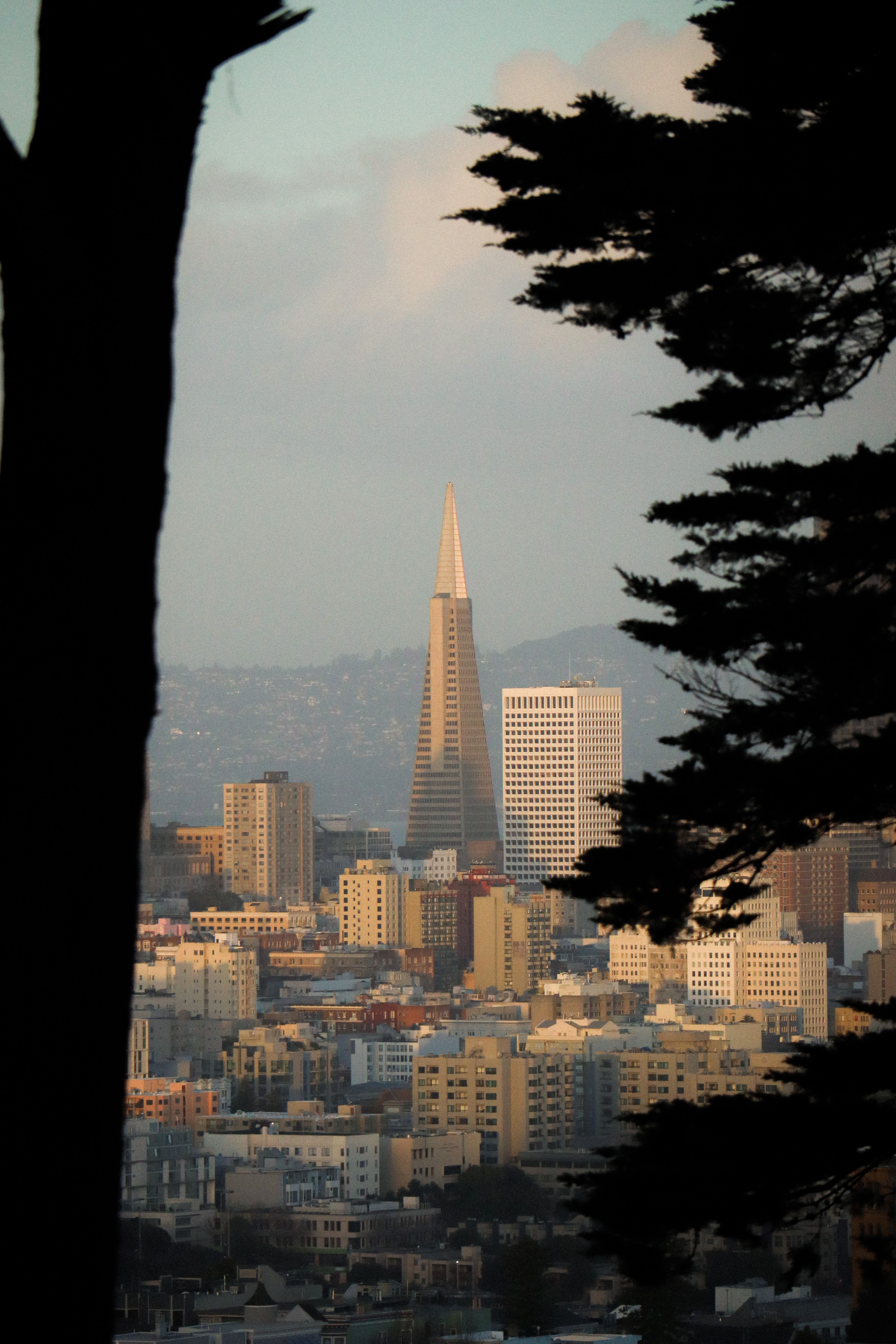
If you're searching for a luxury home in San Francisco right now, you're entering one of the most competitive markets we've seen in years. The landscape is equal parts exhilarating and overwhelming: limited inventory, rapid sales, and properties regularly selling well over asking price. As someone who has spent years navigating this market, I know how opaque and fast-moving it can feel when you're in the thick of a search.
San Francisco is at the convergence of technology, culture, design, and innovation. This city truly operates in a league of its own, and buying luxury real estate here demands more than just capital: it requires strategy, local knowledge, and a deep understanding of how each neighborhood shapes daily life. My role is to cut through the noise and help you gain the clarity needed to make confident decisions.
In this guide, I'll walk you through:
- The current market snapshot (what's actually happening in 2026)
- San Francisco's distinct luxury neighborhoods
- What to look for in luxury properties beyond square footage
- How to navigate competition and pricing strategy
2026 San Francisco Luxury Market Snapshot
If you're hoping for a relaxed buying environment with ample time to consider your options, this isn't that market. Here's what I'm seeing:
What's driving these metrics? The AI boom has brought extraordinary wealth and momentum to San Francisco [5]. Companies like OpenAI, Anthropic, and dozens of emerging AI startups have attracted talent, capital, and high-net-worth buyers who want to be close to the center of this transformation. Tech stock performance has also been strong, mortgage rates have been running in the mid-6% range (roughly 6.5% as of early June 2026 [6], after dipping toward 6.0% in March and ticking back up amid higher inflation and Middle East conflict), and demand continues to outpace the severely constrained supply.
The high end is especially active: 22 houses sold for more than $5 million in March 2026, a new monthly record [5]; and a Pacific Heights estate traded off-market for $56 million in April, the city's largest residential sale since 2024 [5].
Here's what this means for you: speed and strategy matter. You need clarity on what you want, the ability to move quickly when the right property appears, and a structured approach to position yourself competitively without overpaying in the moment. Homes that might have sat for weeks in previous cycles are now receiving multiple offers within days.
The San Francisco luxury market isn't waiting for buyers to catch up. You need to be prepared, decisive, and well-advised.
Understanding San Francisco's Luxury Neighborhoods
San Francisco isn't a single market. Each neighborhood has its own character, architectural DNA, and lifestyle appeal. With fewer than 900,000 residents spread across dozens of distinct pockets, the city offers remarkable variety: micro-climates, architectural styles, and community vibes that shift dramatically from one neighborhood to the next. No two areas are the same.
Because comprehensive sales data varies by neighborhood, I've focused on what differentiates each area and what matters most when choosing where to live:
The neighborhood you choose shapes your daily experience in profound ways: morning coffee spots, weekend parks, school commutes, evening walks. The difference between Noe Valley's sunny micro-climate and Richmond's fog can affect how you use outdoor space throughout the year. The difference between Russian Hill's urban energy and Presidio Heights' residential quiet can shape how you decompress after work.
My role is helping you identify which neighborhood aligns with how you actually want to live, not just which one sounds impressive at a dinner party. This requires honest conversation about priorities: Do you value walkability over square footage? Are school districts essential? Do you work from home and need quiet? How important are views versus garden space?
These questions matter more than most buyers initially realize.
What to Look for in San Francisco Luxury Homes
Beyond price and location, luxury properties in San Francisco are defined by architectural integrity, premium features, and how well they serve your daily life. Here's what I encourage clients to evaluate:
Architectural Features That Define San Francisco Luxury:
Historic Properties: Victorian and Edwardian homes with original details like crown molding, bay windows, hardwood floors, and period fixtures. These little architectural details tell the stories of decades or centuries. The craftsmanship is often irreplaceable.
Modern Builds: Work by notable architects (Sutro Architects, Jensen & Macy, and others) featuring clean lines, expansive glass, and light-filled spaces. These homes prioritize indoor-outdoor flow and contemporary living.
Layout Considerations: Open floor plans versus traditional room configurations. How you entertain, where you work, and how you move through your day should inform which layout serves you best.
Premium Features in High Demand:
Outdoor Space: Gardens, decks, and roof access are rare in San Francisco and command significant premiums. In a dense city, private outdoor space is genuinely valuable.
Views: Bay, Bridge, cityscape, or Presidio views dramatically increase desirability and price. South-facing exposure and natural light matter deeply here given San Francisco's fog patterns.
Parking: Private garage parking is a premium amenity, as street parking is challenging in most neighborhoods.
Modern Systems: Seismic retrofitting, smart home technology, updated electrical and plumbing systems. These aren't glamorous, but they affect both safety and long-term maintenance costs.
Condition Considerations:
Are you looking for move-in ready, or are you open to a renovation opportunity? Properties with original details preserved appeal to preservation-minded buyers, while gut renovations attract those seeking modern finishes. Understanding which updates add lasting value versus trendy elements that may date quickly is essential.
You're not buying a house. You're investing in the life you want to live.
Navigating Competition and Pricing Strategy
In a market this competitive, strategy matters more than speed alone. Here's what successful buyers need to understand:
My engineering and consulting background means I approach every offer with analytical rigor. I combine market data with negotiation precision. Every offer I submit is backed by comparable analysis and structured to position my clients competitively without overpaying emotionally in the moment.
It's important to know when to push and when to walk away. Not every property is worth the premium it commands. Understanding the difference requires local knowledge, access to recent sales data (including off-market transactions), and experience reading seller motivations.
Access to off-market and pocket listings becomes increasingly important in constrained markets like this one. Many luxury properties sell before hitting public platforms. Working with an agent who has strong relationships within Vanguard Properties and the broader San Francisco real estate community creates early visibility you won't find on Zillow or Redfin.
For high-profile buyers, discretion matters. I coordinate showings efficiently, structure offers thoughtfully, and maintain confidentiality throughout the process.
The goal is always the same: position you to win the right property at a price that reflects genuine value, not emotional momentum.
Frequently Asked Questions
How much should I expect to go over asking price in 2026?
It varies by property and neighborhood, but the most recent data (April 2026) shows single-family homes selling for an average of about 25% over asking, roughly 125% of list price, with more than 85% of sales closing above asking [4]. Some highly sought-after properties have gone $1–2M+ over asking [5]. The key is understanding comparable sales data and having a maximum number you're comfortable with before making an offer.
Are there still off-market opportunities in San Francisco?
Yes. In a constrained market, off-market and pocket listings become increasingly important. These properties often sell before hitting public platforms: the city's largest sale this spring, a $56M Pacific Heights estate, traded entirely off-market [5]. Working with an agent who has strong relationships in the local community is critical for accessing these opportunities. My network at Vanguard Properties and across the city provides early visibility that many buyers never see.
What neighborhoods have the best school districts for families?
Noe Valley is particularly sought after for its school district and family-friendly community. Pacific Heights and Presidio Heights also have strong public and private school options nearby. I can provide more detailed school district information based on your specific priorities and the ages of your children.
How quickly do I need to make a decision on a luxury property?
Single-family homes are currently selling in about 11 days on average, and condos in about 13 days (April 2026) [4]. You need to be prepared to move quickly when the right property appears, which means having financing in place, knowing your priorities clearly, and working with an agent who can coordinate showings and offers efficiently. That said, I never apply pressure to my clients' process. The goal is preparation, not panic.
Is now a good time to buy, or should I wait for the market to cool?
Market timing is less important than finding the right property that fits your life and goals. Inventory constraints aren't expected to ease significantly in the near term given San Francisco's geographic limitations and continued demand from tech sector growth: active listings were still down roughly a third year-over-year in April 2026 [4]. The best time to buy is when you find the right home and have the financial capacity to secure it comfortably.
Begin the Conversation
Buying luxury real estate in San Francisco in 2026 requires clarity, strategy, and the right partnership. The market is competitive, but prepared buyers are finding exceptional properties that fit their lives beautifully.
I think of my work as atelier real estate: bespoke, intentional, and crafted specifically for each client. I'm not volume-driven; my focus is on understanding how you want to live and helping you find the property that serves that vision. My engineering and consulting background brings analytical rigor to every transaction, and my access to off-market opportunities through Vanguard Properties creates visibility before competition intensifies. I measure my success in trust, not transactions.
If you're beginning your search, or reconsidering your approach, I'd welcome the opportunity to explore the market together.
Last updated: June 18, 2026
Sources
[1] California Association of REALTORS® — April 2026 Sales and Price Report (released May 19, 2026): San Francisco County single-family median $2,127,500, +19.5% YoY. https://www.car.org/aboutus/mediacenter/newsreleases/2026releases/april2026sales
[2] Zillow — San Francisco Home Values and Market Data (April 30, 2026; average home value ~$1.27M). https://www.zillow.com/home-values/20330/san-francisco-ca/
[3] The Warrin Team — Pacific Heights Neighborhood Guide (2026): single-family ~$5M–$20M+, trophy estates $30M+. https://warrin.com/neighborhoods/pacific-heights
[4] Mark D. McHale / Vanguard Properties — San Francisco Real Estate Market Report, May 2026 (April 2026 data; SFAR MLS & BrokerMetrics). https://www.markdmchale.com/blog/san-francisco-real-estate-market-report
[5] The San Francisco Standard — "Are AI millionaires breaking SF's luxury housing market?" (April 8, 2026) and "San Francisco's latest housing crisis for the ultra-rich? A 'mansion gap'" (April 17, 2026). https://sfstandard.com/2026/04/08/sf-luxury-market-is-back/ https://sfstandard.com/2026/04/17/new-pricing-heights-in-pac-heights/
[6] Freddie Mac — Primary Mortgage Market Survey: 30-year fixed averaged 6.48% as of June 4, 2026. https://www.freddiemac.com/pmms
[7] Norada Real Estate — Bay Area / San Francisco Market Analysis, April 2026 data (SF County median $2,127,500, +19.5% YoY). https://www.noradarealestate.com/blog/san-francisco-real-estate-market/