Moving to San Francisco Neighborhoods: A Complete Guide
May 14, 2026
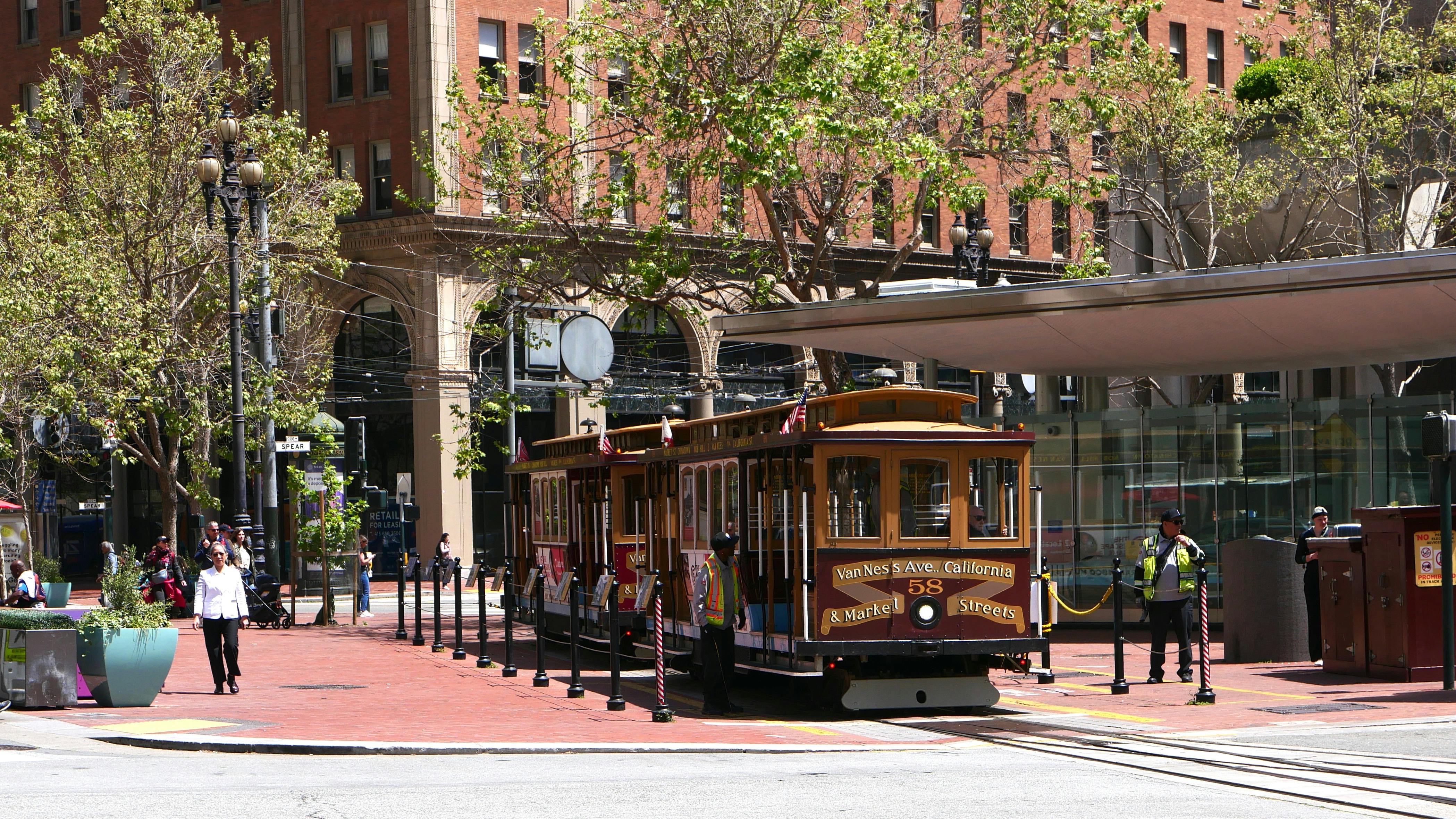
A strategic framework for finding and purchasing your ideal San Francisco home
Buying a home in San Francisco is a decision that shapes not just your investment returns, but the daily rhythms of your life. Unlike more spread out cities where areas tend to blend together, San Francisco's 40+ distinct neighborhoods each possess unique architectural character, microclimates, and community cultures. Making the right choice requires looking beyond surface appeal to understand how weather patterns, transit realities, and appreciation potential align with your vision of “home.”
This guide provides a strategic framework to match your priorities and investment goals with the ideal San Francisco neighborhood, drawing on Philip Farr’s15+ years of local market expertise. You'll learn to evaluate neighborhoods through multiple lenses before making an offer, because the right neighborhood isn't about prestige alone, but an honest alignment between what each area genuinely offers and what matters most to you.
What You'll Learn in This Guide
- How to match SF neighborhoods to your homebuying priorities – A decision framework that cuts through the noise
- A comprehensive comparison of San Francisco’s hottest neighborhoods – Data on home prices, investment potential, transit, climate, and community vibes
- What first-time SF homebuyers often overlook – Climates, commutes, parking, and neighborhood appreciation patterns
- Hidden gem neighborhoods offering value and growth potential in 2026 – Areas smart buyers are discovering now
- A strategic exploration plan – How to evaluate neighborhoods effectively before making an offer
SF Neighborhood Comparison for Homebuyers
The table below provides a complete snapshot of San Francisco's most sought-after neighborhoods. Use it to compare price points, appreciation trends, and lifestyle factors at a glance before diving into detailed profiles.
San Francisco neighborhood comparison for homebuyers: matching investment priorities to location (2026 data) [1][2][8]
Understanding Your SF Homebuying Priorities
Before evaluating specific neighborhoods, identify what matters most to you in a home. The most satisfied buyers clearly rank their priorities before touring properties. The table below matches common priorities to neighborhoods that excel in those areas to help you focus your search strategically.
"Real estate represents more than just portfolio diversification. It's about lifestyle architecture. I've seen tech professionals buy in Russian Hill for 15-minute commutes, only to feel isolated from outdoor access. The right neighborhood isn't about prestige. It's about honest alignment between your priorities and what each area genuinely offers." — Philip Farr
Priority Matching Guide for Buyers
With these priorities clear, let's explore how San Francisco's neighborhoods align with different buyer profiles and investment strategies.
SF Neighborhoods by Zone: Investment Potential & Home Values
San Francisco's real estate market is grouped into four distinct zones (North, Central, East, and West), each with unique investment characteristics. Rather than profiling every neighborhood exhaustively, this section highlights five representative areas that illustrate the diversity of San Francisco's housing landscape. For complete data on all 20+ neighborhoods, refer to the comparison table above.
Marina District
The Marina pulses with young professional energy and exceptional walkability. Chestnut Street's fitness studios, juice bars, and weekend brunch spots create a social, health-conscious atmosphere that attracts buyers in their 20s and 30s.
Housing market: Condos range from $1.2M to $4M, while rare single-family homes start at $3.5M and climb well above $7M for properties with views. [1][2]
Investment outlook: The neighborhood delivers moderate appreciation driven by stable tech buyer demand, though summer fog should be noted for buyers sensitive to cooler coastal weather. Street parking is easier than other dense neighborhoods, and the walkable retail corridor makes car ownership less of a necessity.
Best for: Buyers who prioritize a walkable, socially vibrant lifestyle and don't mind coastal weather patterns.
Noe Valley
Noe Valley stands as San Francisco's premier family neighborhood, offering a village atmosphere, consistently sunny weather, excellent parks, and a walkable 24th Street corridor packed with family-friendly businesses.
Housing market: Single-family Victorians and Edwardians range from $2.2M to $8M+. Extremely limited inventory creates a competitive market where properties often receive multiple offers and sell above asking price, making purchases challenging without strong offers and agent relationships. [2][8]
Investment outlook: Appreciation is low to moderate, sustained by limited inventory and relentless family demand. Naturally protected from coastal fog, the sunny microclimate rivals that of Mission and Potrero Hill. This weather advantage, combined with excellent schools and community, justifies the premium pricing.
Best for: Families with young children seeking top schools, buyers wanting a suburban feel within city limits, and those willing to trade nightlife access for residential tranquility and sunshine.
Mission District
The Mission serves as San Francisco's cultural and culinary heart, blending Latin American heritage, vibrant murals, world-class restaurants, and the city's sunniest microclimate into an energetic, diverse neighborhood.
Housing market: Victorian flats range from $1.8M to $2.8M, while modern condos span $1.0M to $1.5M in newer buildings. [1][2]
Investment outlook: The neighborhood delivers moderate to high appreciation as tech professionals increasingly purchase alongside longtime residents. The sunny microclimate creates a tangible quality-of-life advantage.Summer days reach 70 to 75°F while western neighborhoods might sit at 60°F with fog. Buyers willingly pay premiums for sunshine and outdoor comfort, making Mission properties resilient even during broader market corrections.
Best for: Foodies seeking world-class dining, culture enthusiasts who value the arts scene, and buyers prioritizing sunshine over residential quiet.
Outer Sunset
Long dismissed as "too foggy," Outer Sunset has cultivated a cultural renaissance driven by new cafes, breweries, and younger buyers embracing coastal living and remote work flexibility.
Housing market: Single-family homes range from $1.3M to $2.5M for properties with larger lots and yards, representing exceptional value for space in San Francisco. [1][2][8]
Investment outlook: The neighborhood offers moderate to high appreciation potential as remote workers and families discover the value proposition. Homes at these price points offer 2,000+ square feet and yards that would cost $2.5M+ in Noe Valley or Pacific Heights. Surf culture, Ocean Beach access, and Golden Gate Park attract buyers who embrace (or tolerate) fog and cooler weather as trade-offs for space and affordability.
Best for: Remote workers for whom commute times matter less, surfers and nature lovers, and families wanting maximum space and value.
Dogpatch
Dogpatch is evolving from an industrial past into an emerging waterfront neighborhood, flush with design studios, art galleries, breweries, and a growing residential community.
Housing market: Lofts and condos in converted industrial buildings and new construction range from $1.0M to $1.6M. [1][7][8]
Investment outlook: The neighborhood offers high appreciation potential tied to the Central SoMa Plan, which promises significant infrastructure and transit improvements over the next 5 to 10 years. Early adopters position themselves ahead of the curve, though this comes with risk if development timelines extend. As the sunniest waterfront location in San Francisco, Dogpatch properties often provide bay views alongside a smart, industrial-chic aesthetic.
Best for: Investors seeking appreciation potential, creative professionals attracted to the design community, and early adopters who have carefully researched planned development initiatives.
What First-Time SF Homebuyers Often Overlook
Beyond price and square footage, several San Francisco-specific factors dramatically affect both daily satisfaction and long-term property values. Understanding these patterns before making offers prevents costly misalignments between expectations and reality.
Microclimates Affect Property Values and Daily Comfort
San Francisco's unique geography creates dramatic temperature variations across just 7x7 miles, directly impacting both daily comfort and property values. The following table quantifies how weather patterns influence home values across neighborhoods.
Source: NOAA, Zillow [6][1]
Coastal neighborhoods including Marina, Richmond, and Sunset experience heavy fog from May through September, while eastern neighborhoods like Mission, Potrero, and Noe Valley stay sunny during the same period. Sunny neighborhoods command 10% to 20% premiums for comparable properties. A 2,000 square foot Victorian in Noe Valley (sunny) might sell for $2.6M while a comparable property in Inner Richmond (foggy) sells for $2.1M—that $500K differential reflects microclimate preferences among buyers who have experienced both patterns.
"Know your tolerance before buying. Visit neighborhoods during typical summer afternoons in June or July, not just winter tours when the entire city is pleasant. I've seen buyers struggle with seasonal mood impacts from prolonged fog, while others thrive in the coastal calm and appreciate the price differential." — Philip Farr
Map Distance vs. True Transit Times
Google Maps estimates don't account for San Francisco's steep hills, frequent Muni delays, and walking speed realities on inclines. What appears as a reasonable commute on a map is often significantly longer in daily practice.
Only Mission District, Castro, and Glen Park have BART stations providing fast, reliable transit. Everywhere else relies on buses or Muni Metro, which experience more frequent delays and slower service. [3]
Recommendation: Commute-test during actual work hours on a weekday. You'll learn more in 30 minutes than hours of online research. If testing ahead of time isn't possible, add 10 to 15 minutes to Google estimates for Muni buses during peak hours. [4]
Commute-test during actual work hours. Take the Muni, walk the hills, experience the reality. Weather, crowds, delays, and hill climbs reveal themselves only through actual experience.
Parking Affects Property Value
Many San Francisco buildings lack dedicated parking, especially older Victorians built before widespread car ownership. Homes with garages or deeded spaces command 5% to 15% premiums over comparable properties without them. [1][2]
Adding garages to Victorian homes costs $100K to $250K+ when factoring in permits, construction, and space requirements. Some lots cannot accommodate parking additions at all due to size, access, or setback requirements.
Car optional areas (exceptional walkability + transit): Hayes Valley, Russian Hill, Marina, Castro [5]
Car essential areas (limited transit, suburban feel): Outer Richmond, Outer Sunset, Presidio Heights
Properties with parking command premiums in dense neighborhoods, while not needing a car typically saves $6K to $12K annually in ownership costs. [5]
Market Appreciation Patterns
San Francisco neighborhoods evolve faster than most US cities due to tech industry cycles, policy changes, and development patterns. Understanding these trajectories helps set realistic investment expectations.
Understanding where a neighborhood sits on the appreciation spectrum helps align your investment timeline with realistic return expectations and risk tolerance.
Hidden Gem Neighborhoods for Smart Buyers in 2026
Beyond the well-known neighborhoods most buyers focus on, several San Francisco areas offer exceptional value for those willing to look past reputation and focus on fundamentals. These hidden gems attract strategic buyers who prioritize investment returns and authentic lifestyle fit over social prestige.
Glen Park: The BART-Accessible Family Value
Glen Park delivers Noe Valley's sunny microclimate, excellent schools, and village atmosphere at $700K to $1.5M less than its famous neighbor. Single-family homes range from $1.5M to $2.5M versus Noe Valley's $2.5M to $4M+.
The key differentiator: direct BART access that Noe Valley lacks, making commutes faster despite the slight distance from downtown. [1][2][8]
A client might pay $1.6M for a single-family home in Glen Park with yard and garage that would cost $2.8M in Noe Valley for comparable size. That's strategic buying that honors lifestyle priorities while maximizing value.
Outer Sunset: The Remote Worker's Value Play
Post-pandemic dynamics have shifted buyer priorities from commute convenience to space, outdoor access, and overall value. Outer Sunset's cultural renaissance is attracting younger buyers who work remote or hybrid schedules.
Homes at $1.3M to $1.7M offer some of the best space value in San Francisco, with many properties featuring 2,000+ square feet and yards that would cost $2.5M+ elsewhere. As remote work persists and families prioritize space over proximity to offices, Outer Sunset is shedding its "too far and too foggy" reputation. Early buyers capture value before the neighborhood reaches price parity with more established areas. [1][8]
Dogpatch: The Infrastructure-Driven Appreciation Play
The Central SoMa Plan promises major infrastructure improvements, transit enhancements, and continued development over the next 5 to 10 years. Condos ranging from $1.0M to $1.6M position early adopters ahead of the appreciation curve.
Unlike speculative emerging neighborhoods, Dogpatch benefits from planned, funded development that reduces risk. The waterfront location, industrial-chic aesthetic, and sunny bay position create lifestyle appeal that's attracting design professionals and creative buyers ahead of major price appreciation. [1][7][8]
"Hidden Gem" Investment Analysis
Source: Vanguard Properties, Zillow [8][1]
Your Strategic Neighborhood Exploration Plan
Once you've narrowed your search to 3-5 neighborhoods based on priorities and data, strategic on-the-ground evaluation reveals intangible factors no article can capture. The following checklist provides an action-oriented framework for neighborhood assessment.
Pre-Purchase Neighborhood Evaluation Checklist
Visit at different times: Neighborhoods reveal different characteristics depending on time of day. Visit weekday mornings (7-9 AM) to observe commute patterns, weekday afternoons (3-5 PM) for school pickup times, weekend mornings (9-11 AM) for community vibes, and weekend evenings (6-9 PM) to evaluate dining scenes and safety after dark.
Walk the blocks: Block-level variation matters significantly in San Francisco. Spend 60 to 90 minutes walking a 10-block radius from properties you're considering. Notice street cleanliness, architecture, businesses, and noise levels.
Talk to current homeowners: Current residents reveal the best blocks within neighborhoods, upcoming developments they've learned about, and hidden costs like HOA increases. Ask: "What surprised you after buying? Would you purchase here again?"
Test your commute: If working in an office, even on a hybrid schedule, commute-test during your actual work hours. This reveals true time commitments and daily quality of life impacts.
Research development: Check the SF Planning Department website for upcoming projects that could affect property values and livability. [7]
Work with specialists: True neighborhood experts provide access to off-market inventory, micro-market pricing intelligence at the block level, and introductions to community resources.
I curate neighborhood experiences, not just property tours. I provide comparative market analysis at the block level, showing why one street commands $200 per square foot more than another three blocks away. These details inform smarter purchase decisions and better long-term satisfaction.
Frequently Asked Questions
Which SF neighborhoods have the best public schools?
SFUSD operates on a lottery system, so living in a neighborhood doesn't guarantee school placement. Neighborhoods with consistently strong schools include Noe Valley, Glen Park, and West Portal.
Many families in Pacific Heights, Presidio Heights, and Russian Hill choose proximity to private schools ($35K to $50K/year tuition).
How much should I budget for buying a home?
As of 2026, home purchase prices vary dramatically by neighborhood and property type:
- Entry condos: $800K to $1.1M (Outer Richmond, Inner Sunset) to $1.8M to $2.5M+ (Pacific Heights, Russian Hill)
- Single-family: $1.3M to $1.7M (Outer Sunset) to $2.5M to $5M (Noe Valley) to $5M to $30M+ (Pacific Heights estates) [1][8]
Beyond purchase price, budget for:
- Down payment: 20% minimum
- Property taxes: ~1.2% annually
- HOA fees (for condos): $400 to $1,200+/month
- Insurance: $2,500 to $7,500/year
- Maintenance: 1% to 2% annually for older Victorians, 0.5% to 1% for newer construction
Total annual costs run an additional 25% to 30% above mortgage payments. [1][2]
Do I need a car?
- Not a necessity: Hayes Valley, Russian Hill, Castro, Glen Park, Mission, Marina (good walkability + transit) [5]
- Nice to have: Cow Hollow, Pacific Heights, Presidio Heights, Noe Valley, Potrero Hill, Inner Richmond
- Essential: Outer Richmond, Outer Sunset, Parkside, Sea Cliff
Properties with parking command 5% to 15% premiums in dense neighborhoods. Adding garages to Victorians costs $100K to $250K+. Not needing a car typically saves $6K to $12K annually in ownership costs. [5]
Make the Right Choice for You
Choosing the right San Francisco neighborhood directly shapes your long-term satisfaction, investment returns, and day-to-day quality of life. The market rewards buyers who look beyond surface appeal.
This guide provides a strategic starting point. Combine this framework with on-the-ground exploration and expert guidance to find authentic fit and strong fundamentals, not just a "hot" address or social prestige.
Philip Farr Properties approaches neighborhood selection as a strategic, collaborative process, combining rigorous market analysis with cultural intelligence and architectural expertise cultivated over 15 years in San Francisco luxury real estate. Whether relocating from across the country or upgrading within the Bay Area, this approach ensures your home purchase reflects your values, investment priorities, and lifestyle aspirations.
Begin the Conversation – Schedule a strategic consultation to explore San Francisco neighborhoods and find your ideal home purchase with Philip Farr Properties.
Sources
[1] Zillow SF Market Reports - https://www.zillow.com/san-francisco-ca/home-values/
[2] Redfin SF Neighborhood Guides - https://www.redfin.com/city/17151/CA/San-Francisco
[3] BART Reports - https://www.bart.gov/about/reports
[4] SFMTA Muni Data - https://www.sfmta.com/reports
[5] Walk Score - https://www.walkscore.com/CA/San_Francisco
[6] NOAA Climate Data - https://www.weather.gov/mtr/
[7] SF Planning Department - https://sfplanning.org/
[8] Vanguard Properties Reports - https://vanguardproperties.com/market-reports
[9] GreatSchools.org - https://www.greatschools.org/california/san-francisco/
[10] SFPD Crime Dashboard - https://www.sanfranciscopolice.org/stay-safe/crime-data