Neighborhood
Guides
Discover what life truly feels like across the many different neighborhoods of San Francisco and Southern Marin County. From morning coffee rituals to evening sunset walks, each guide offers a glimpse into a day in the life here…the rhythms, architecture, community, and small details that define everyday living. Explore the neighborhoods not just as places on a map, but as places to call home.
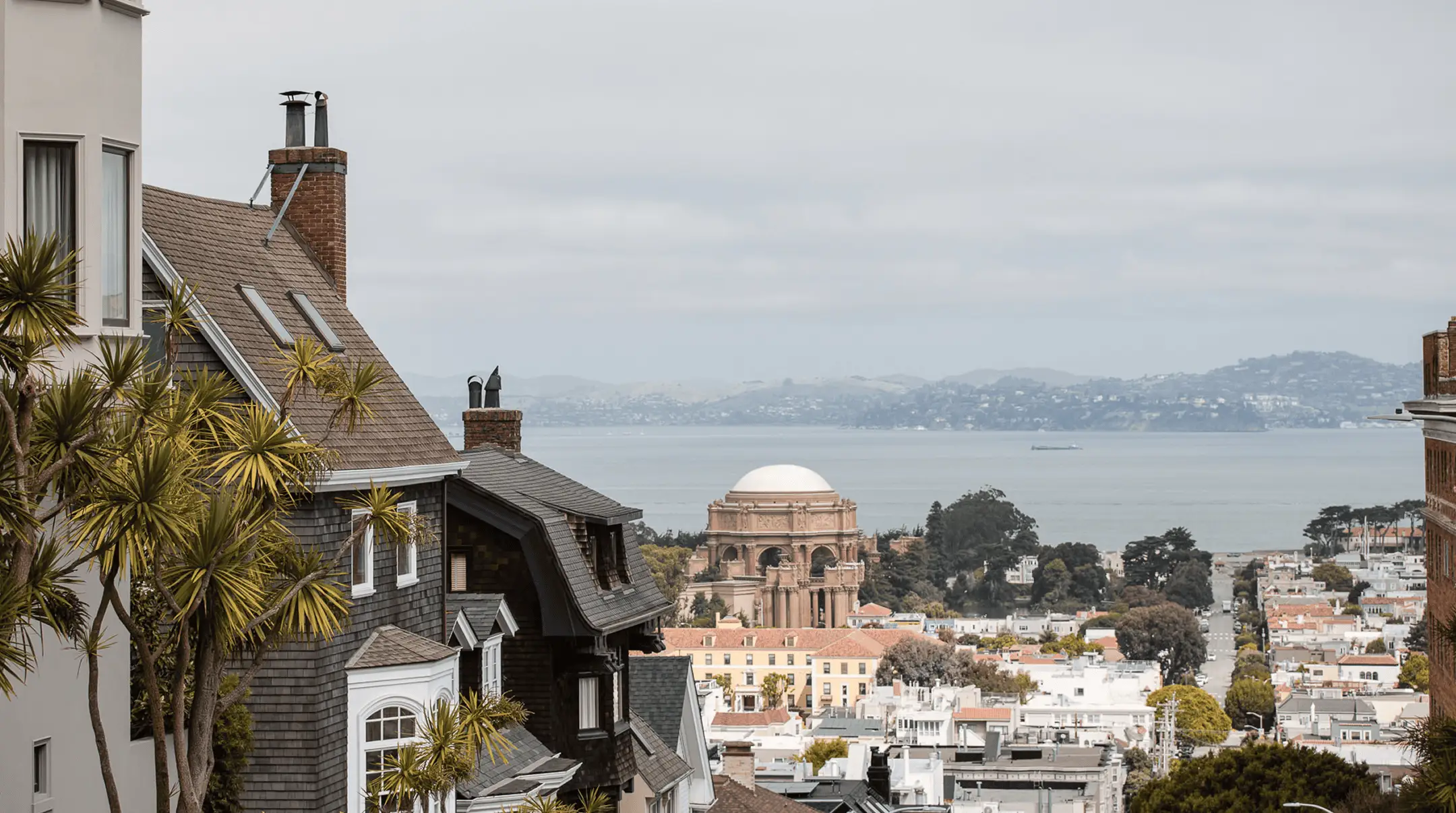
District 1
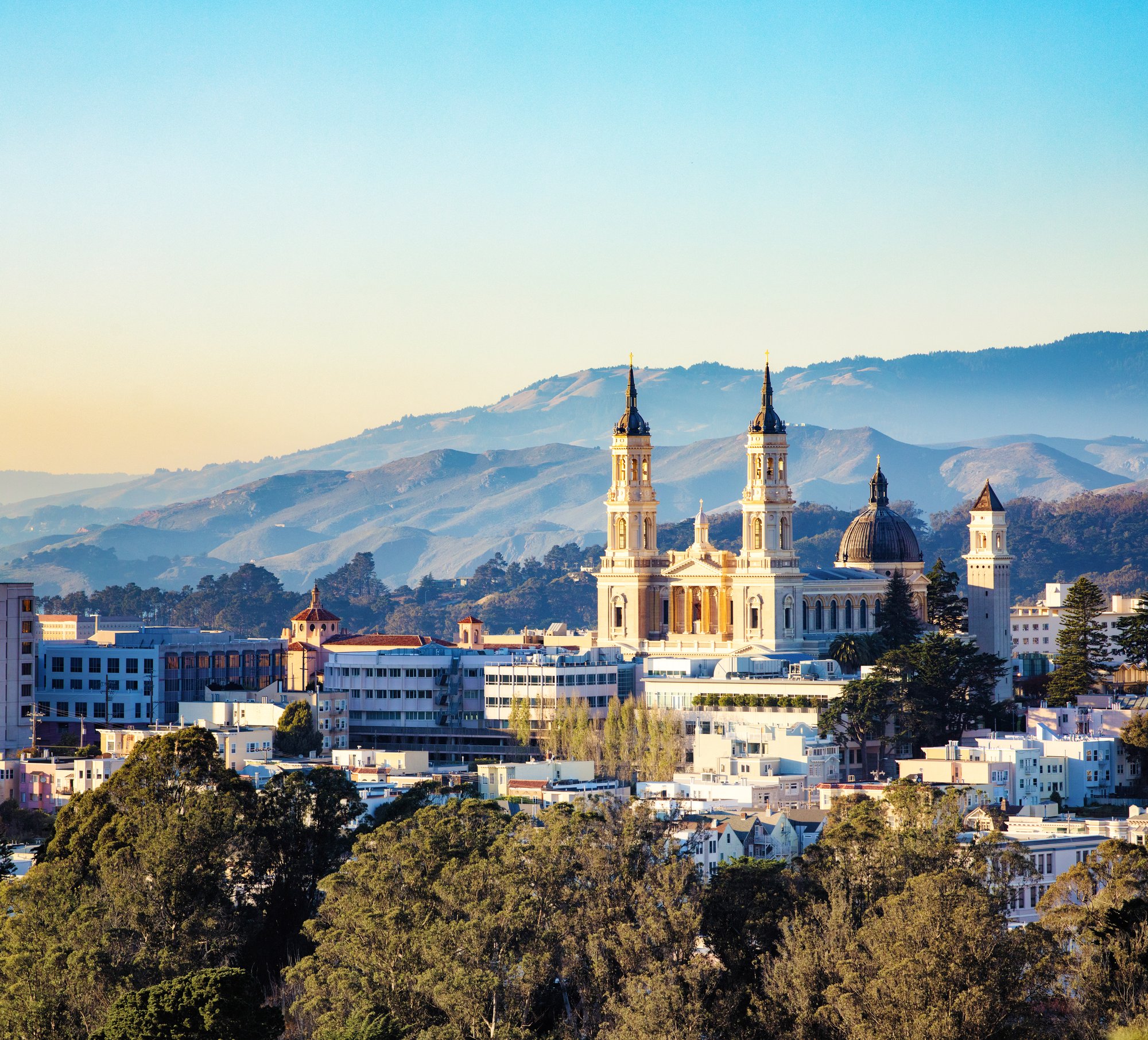
Lone Mountain / USF
Lone Mountain is a small, serene neighborhood wrapped around the University of San Francisco campus and crowned by the historic Lone Mountain itself. The hill offers panoramic views - Golden Gate Bridge, downtown skyline, and on clear days, the Farallon Islands.

Jordan Park / Laurel Heights
Jordan Park and Laurel Heights sit in that enviable position between the Presidio's green expanse and Golden Gate Park's cultural riches. These are neighborhoods where elegance meets everyday life.

Richmond
Inner Richmond is where San Francisco's global soul comes alive. Clement Street is the beating heart, a corridor where dim sum spots neighbor Russian bakeries and Korean BBQ sits blocks from Burmese tea leaf salads.
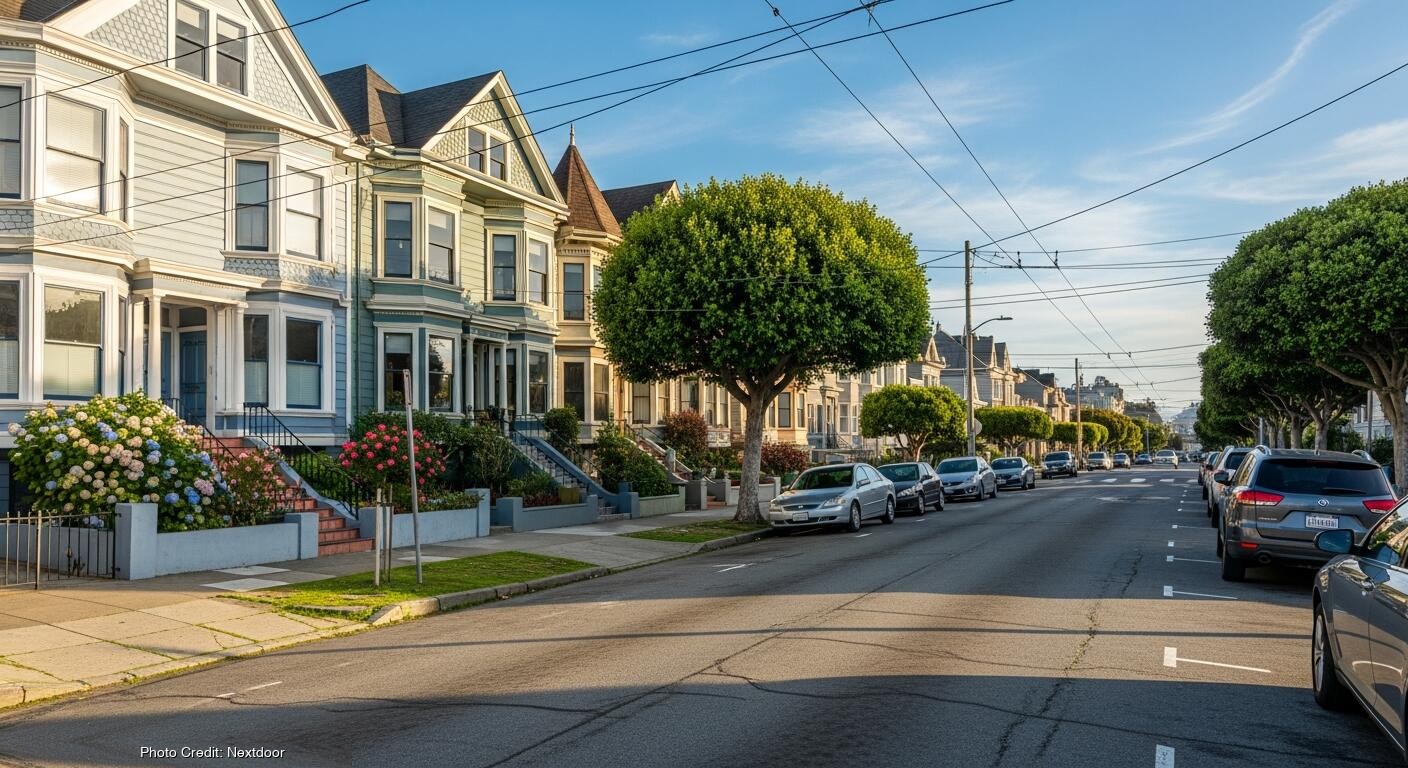
Lake Street
Lake Street is quiet elegance personified. This sliver of a neighborhood runs along its namesake street, bordered by the Presidio to the north and Mountain Lake Park at its heart.
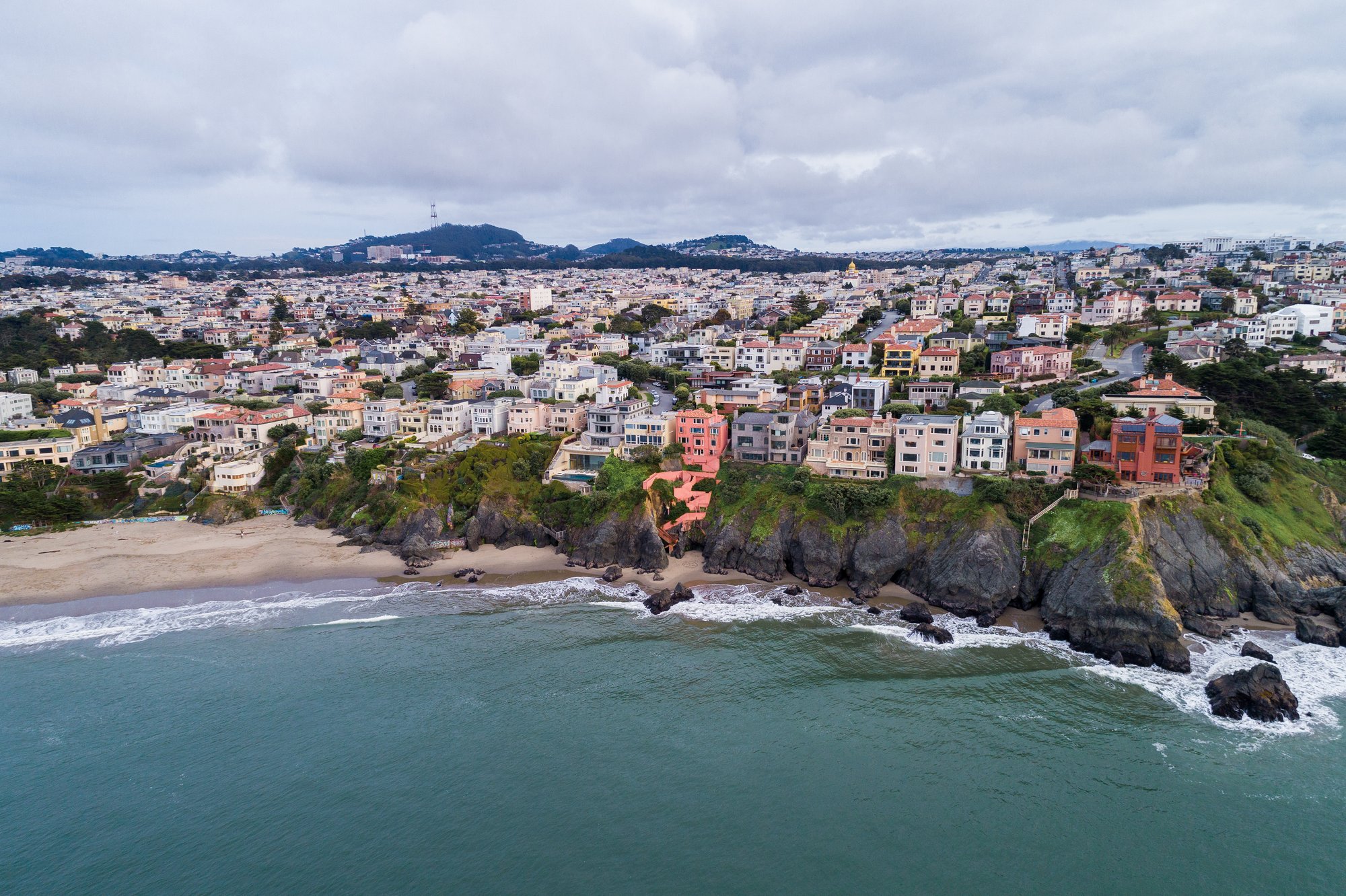
Sea Cliff
Sea Cliff is San Francisco's most exclusive coastal enclave - a neighborhood where Mediterranean-style estates cling to dramatic cliffs overlooking the Golden Gate, Baker Beach, and the Marin Headlands. This is old money meets natural splendor.
District 2
Sunset
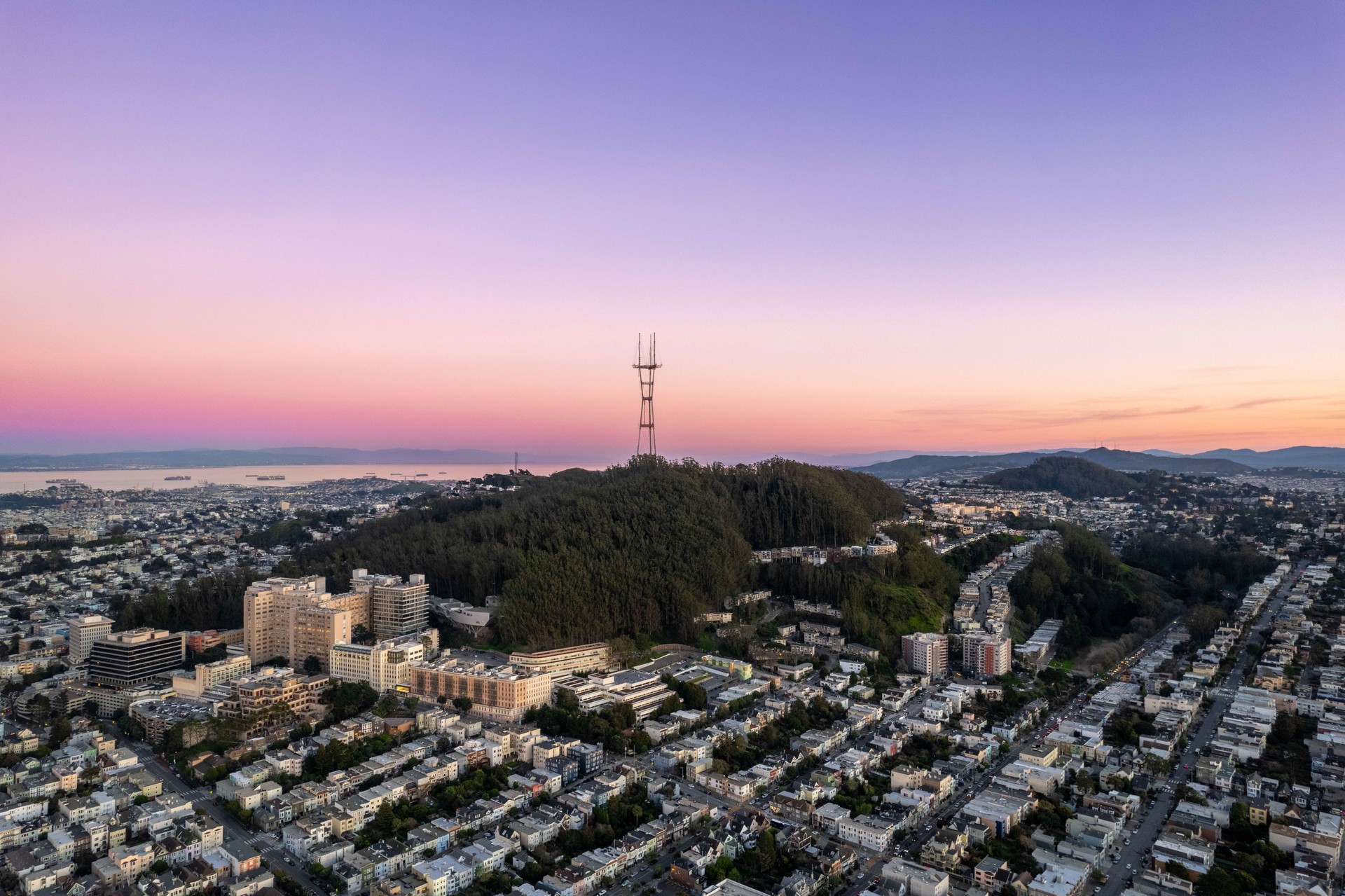
Inner Sunset hums with a youthful, creative energy, thanks to its proximity to UCSF and Golden Gate Park. Ninth Avenue is the spine - a strip of cafes, bars, and restaurants where neighbors gather and students fuel up between classes.
Parkside
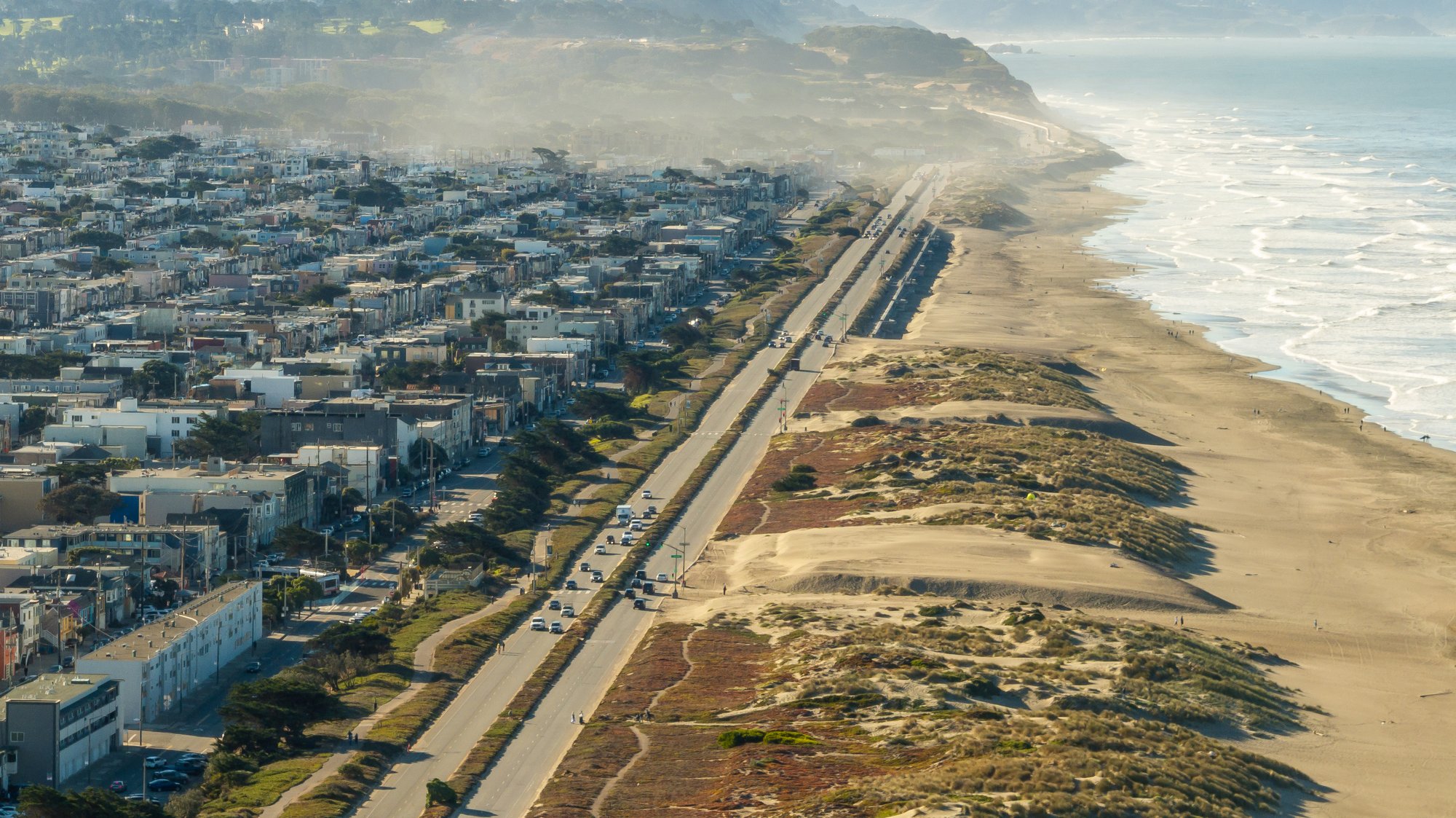
*All venue recommendations verified as of early 2026.* Parkside sits in the heart of the Sunset's southern reaches, a neighborhood defined by its proximity to Stern Grove and its deeply residential character. The streets are a patchwork of single-family stucco homes, many with Art Deco flourishes, built in the 1930s during the neighborhood's development boom.
Golden Gate Heights
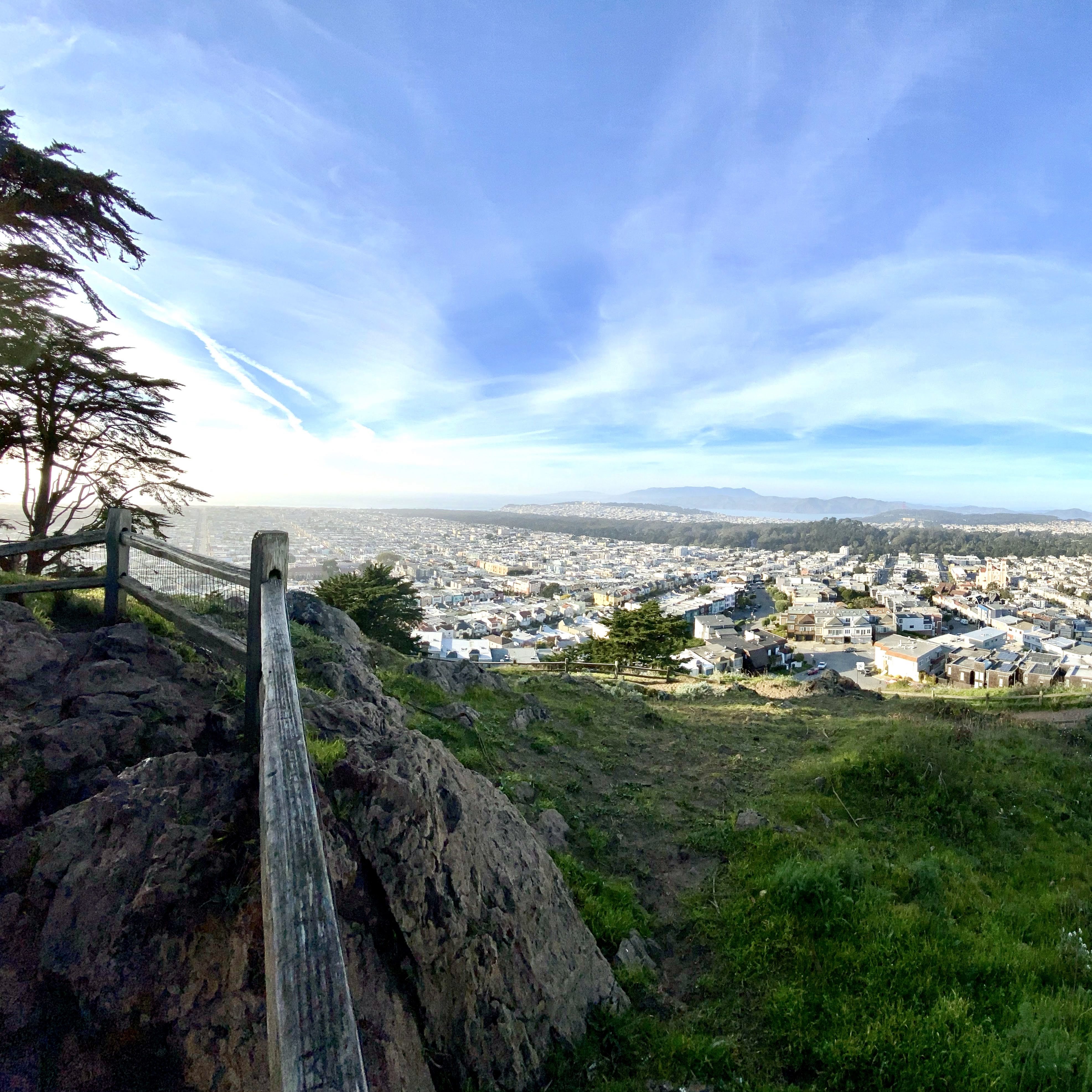
Golden Gate Heights is San Francisco's best-kept secret - literally. Perched on a ridge between Twin Peaks and the Sunset, this tiny neighborhood offers jaw-dropping views and a sense of being above the fray.
District 4
West Portal
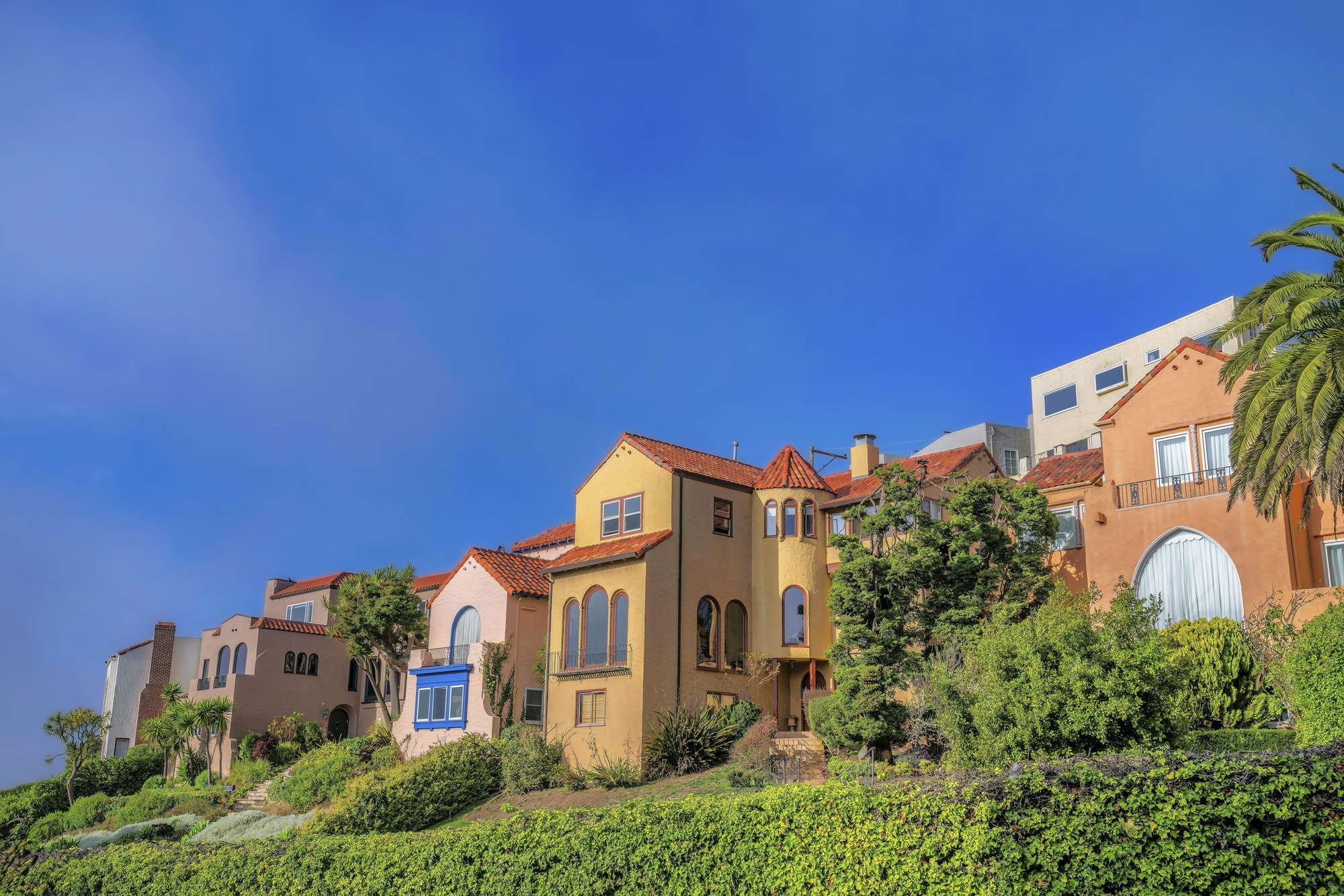
West Portal is having a moment, and locals couldn't be more delighted. This charming, tree-lined neighborhood has quietly become one of San Francisco's most exciting dining destinations while retaining its village-like warmth. Start your morning at George's Donuts & Merriment, where celebratory treats and a stylish marble-clad café draw crowds from across the city.
Sunnyside
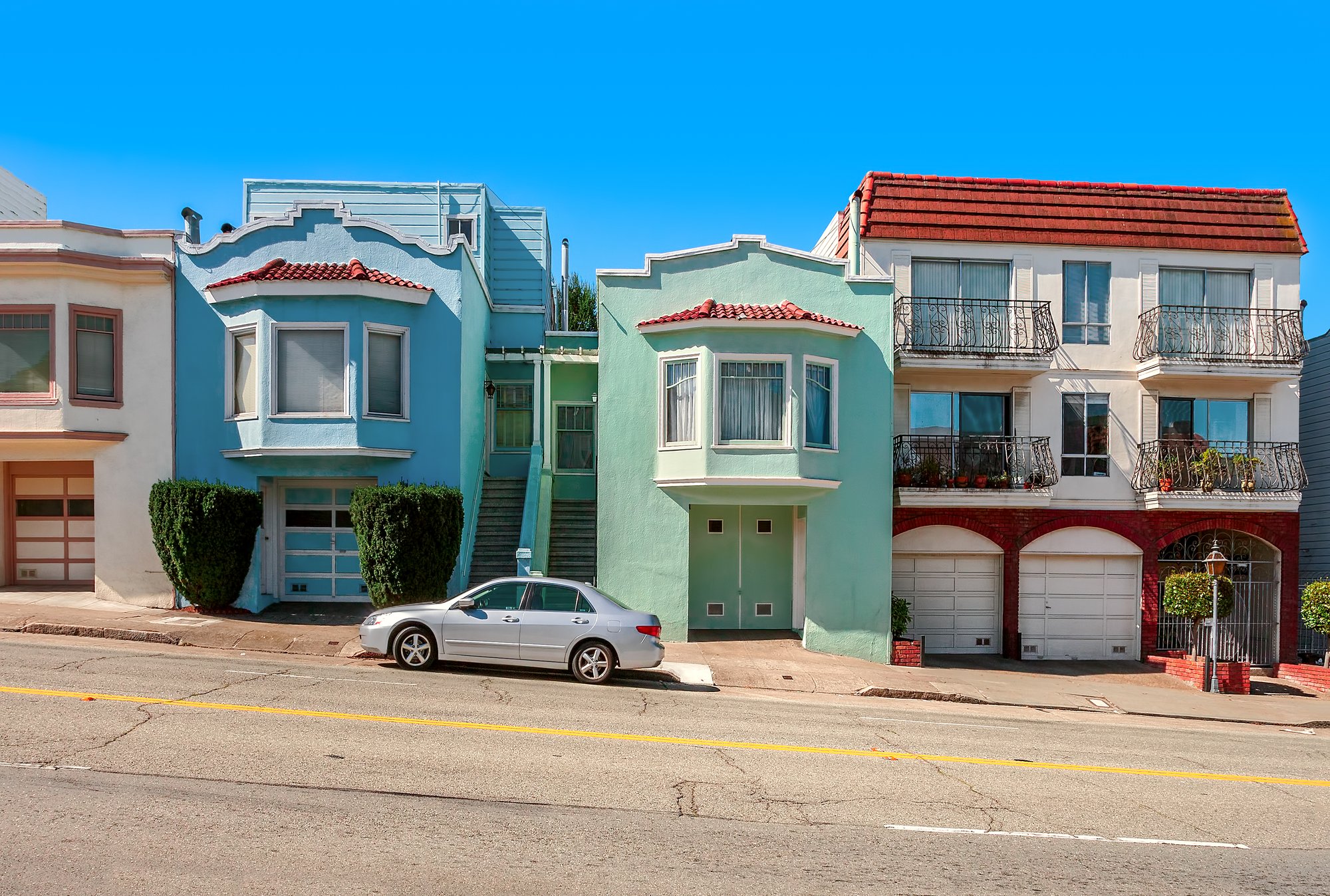
Sunnyside lives up to its optimistic name, perched on slopes that often catch sun when fog blankets lower elevations. This friendly, diverse neighborhood features a mix of single-family homes and small apartment buildings, creating a more accessible entry point to this part of the city while maintaining residential character.

Westwood Park
Westwood Park was created in 1917 as one of San Francisco's original planned residence parks, and that garden-suburb vision remains beautifully intact. The neighborhood is defined by its distinctive entrance gates and pillars, designed by renowned architect Louis Christian Mullgardt, the same visionary behind the 1915 Panama-Pacific International Exposition.

Westwood Highlands
Westwood Highlands perches on hillsides offering sweeping views of the ocean, bay, and city skyline. This planned community, designed with grand entrance gates and curved boulevards, showcases primarily 1920s-1940s homes ranging from classic San Francisco stucco styles to elegant period revivals.
Mount Davidson Manor
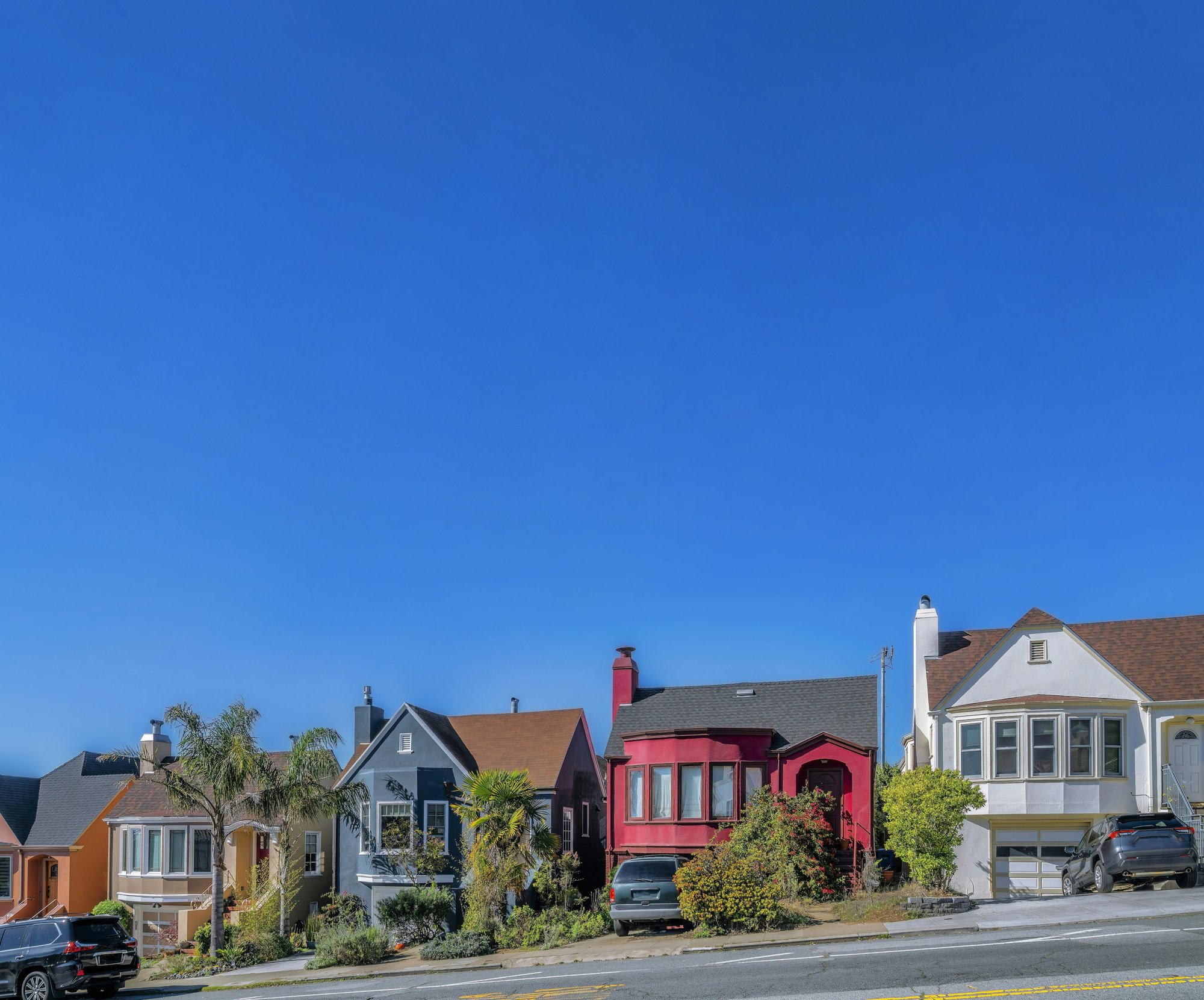
Mount Davidson Manor sits tucked between Ocean Avenue and Monterey Boulevard, a quiet residential enclave developed by Fernando Nelson, who built over 4,000 San Francisco homes in his career.
Monterey Heights
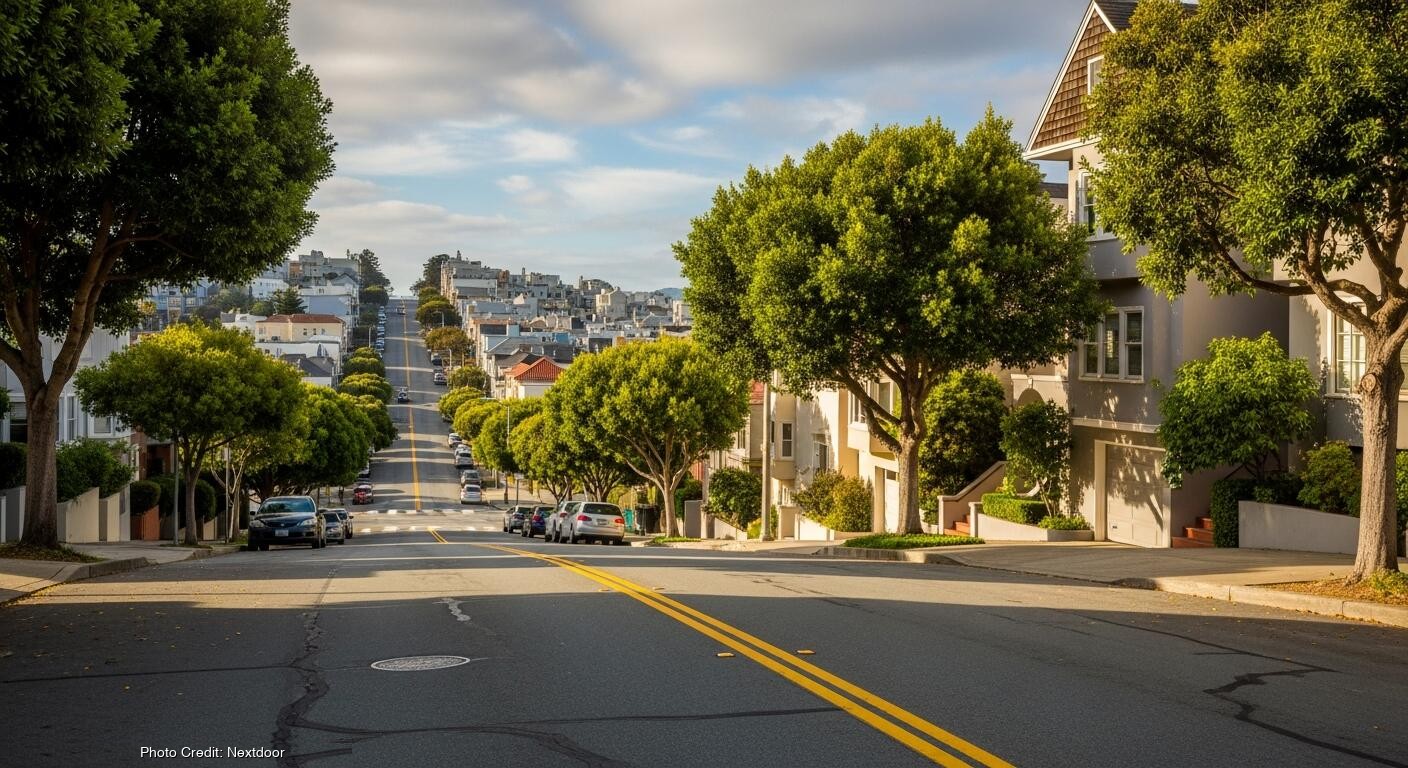
Monterey Heights sits on elevated terrain offering gorgeous views and architectural variety. This smaller neighborhood, developed in the 1920s, showcases an eclectic mix of period styles - Mediterranean villas, English Tudors, Spanish Revivals, and California bungalows - each designed by skilled architects working during San Francisco's golden age of residential development.
Forest Hill Extension
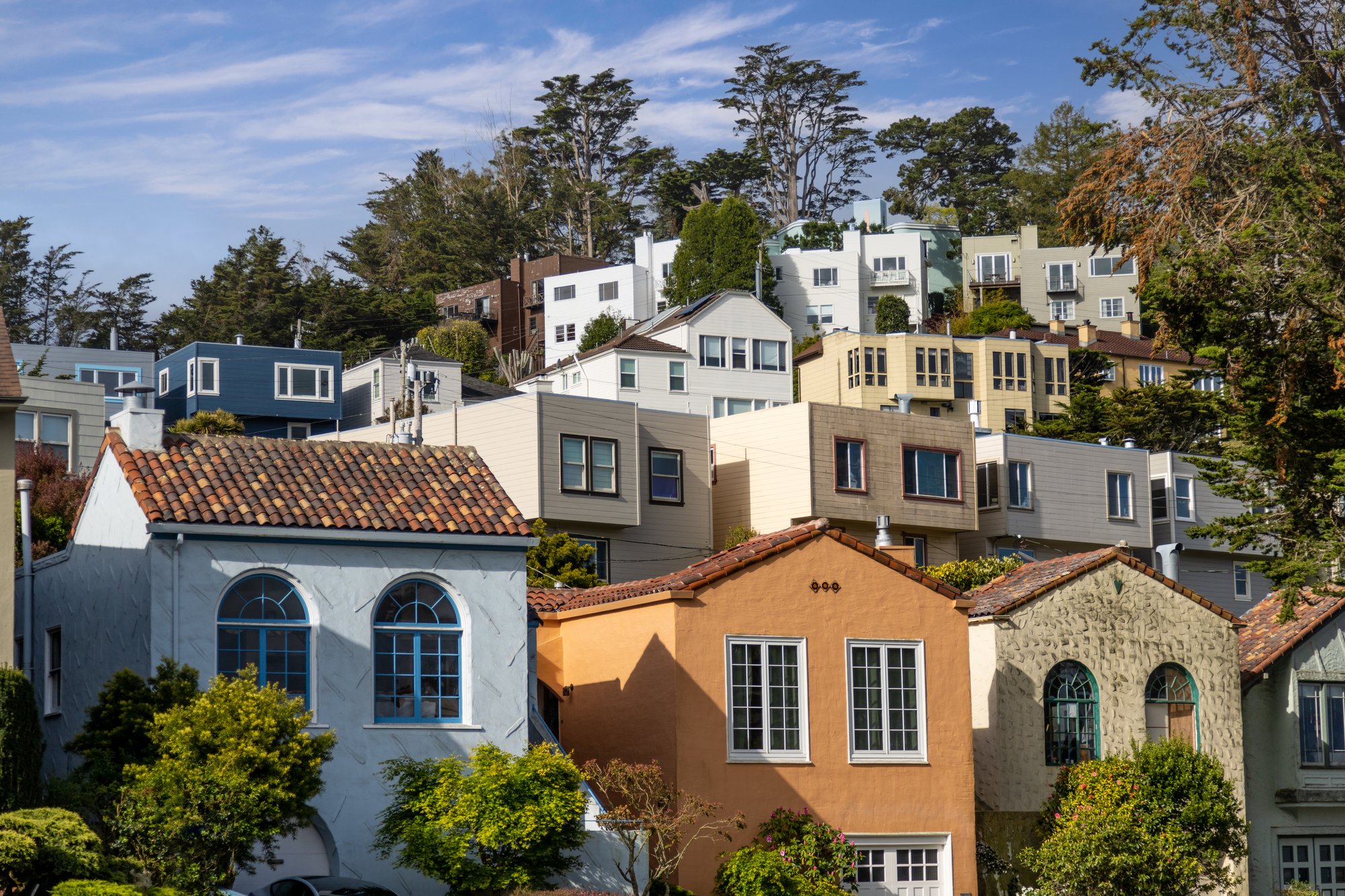
Forest Hill Extension sits just west of the original Forest Hill tract, offering similar tree-lined serenity at slightly more accessible prices. This intimate neighborhood features winding streets shaded by mature eucalyptus and cypress, creating that distinctive forested feel that makes coming home feel like a retreat.

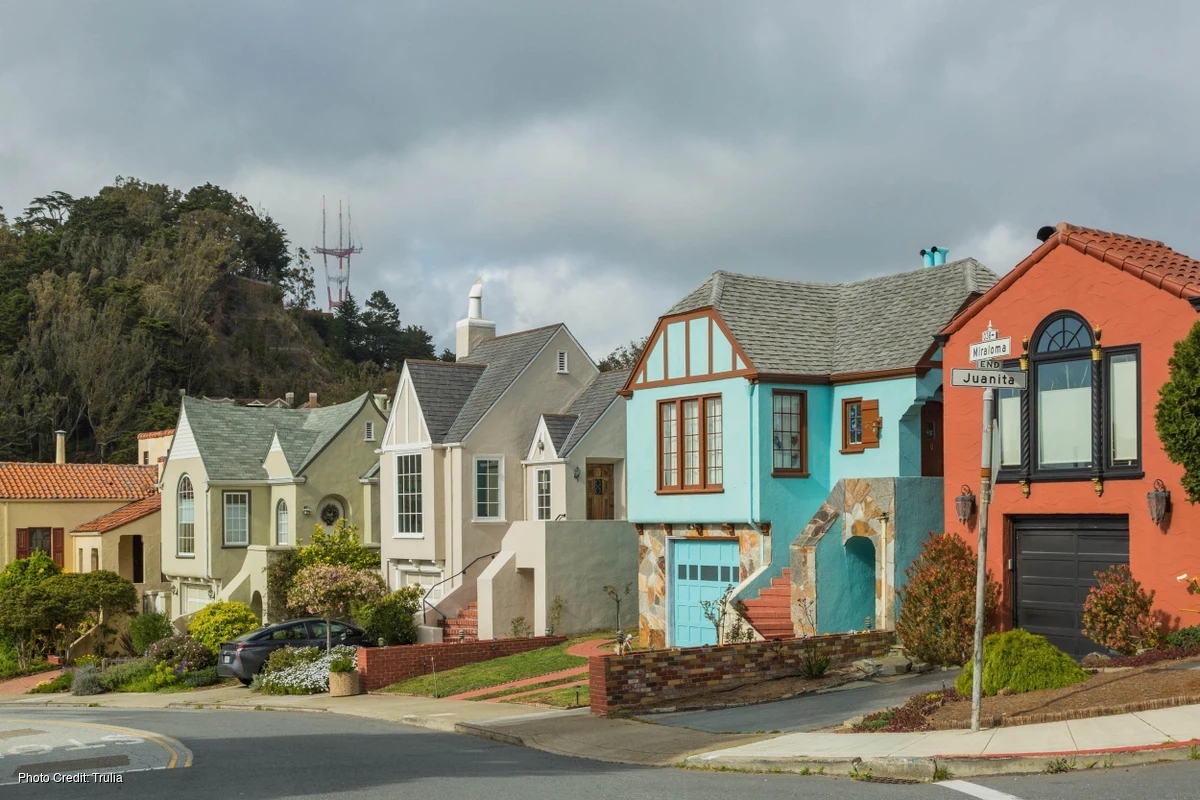
Miraloma Park
Miraloma Park sprawls across the eastern slopes of Mount Davidson, a community of approximately 2,200 homes developed between the 1920s and 1960s. The neighborhood offers a distinctly suburban feel - curving streets, detached single-family homes, generous yards, and that peaceful, almost rural quality that comes from being built into hillsides and buffered by Mount Davidson Park.
Sherwood Forest
Sherwood Forest may be one of San Francisco's smallest neighborhoods, but its charm is outsized. Tucked between Forest Hill and Westwood Park, this intimate enclave features beautifully maintained single-family homes on quiet, tree-canopied streets that feel worlds away from urban hustle.
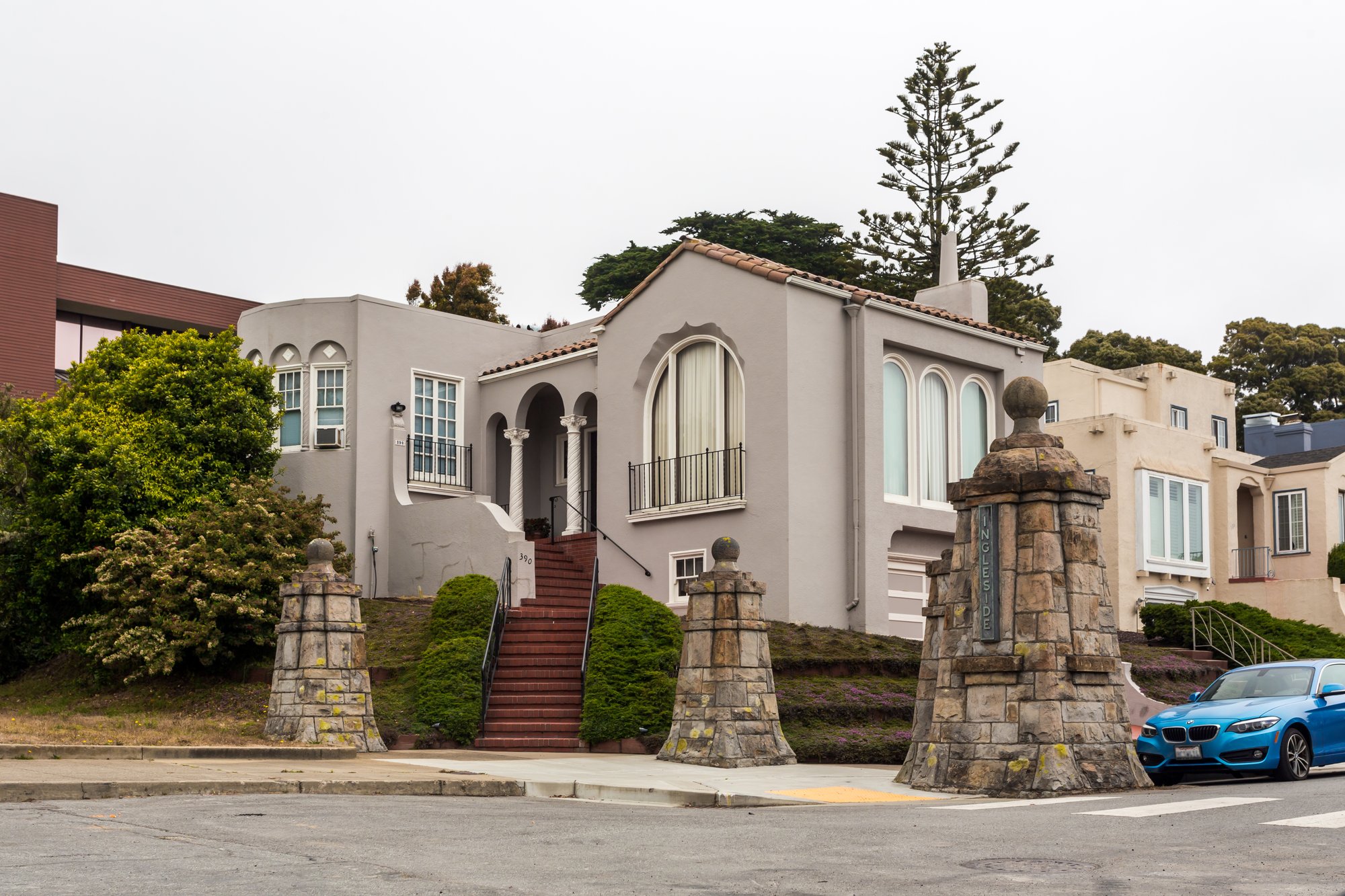
St. Francis Wood
St. Francis Wood isn't just a neighborhood - it's a National Register Historic District and one of San Francisco's most extraordinary planned communities.
Diamond Heights
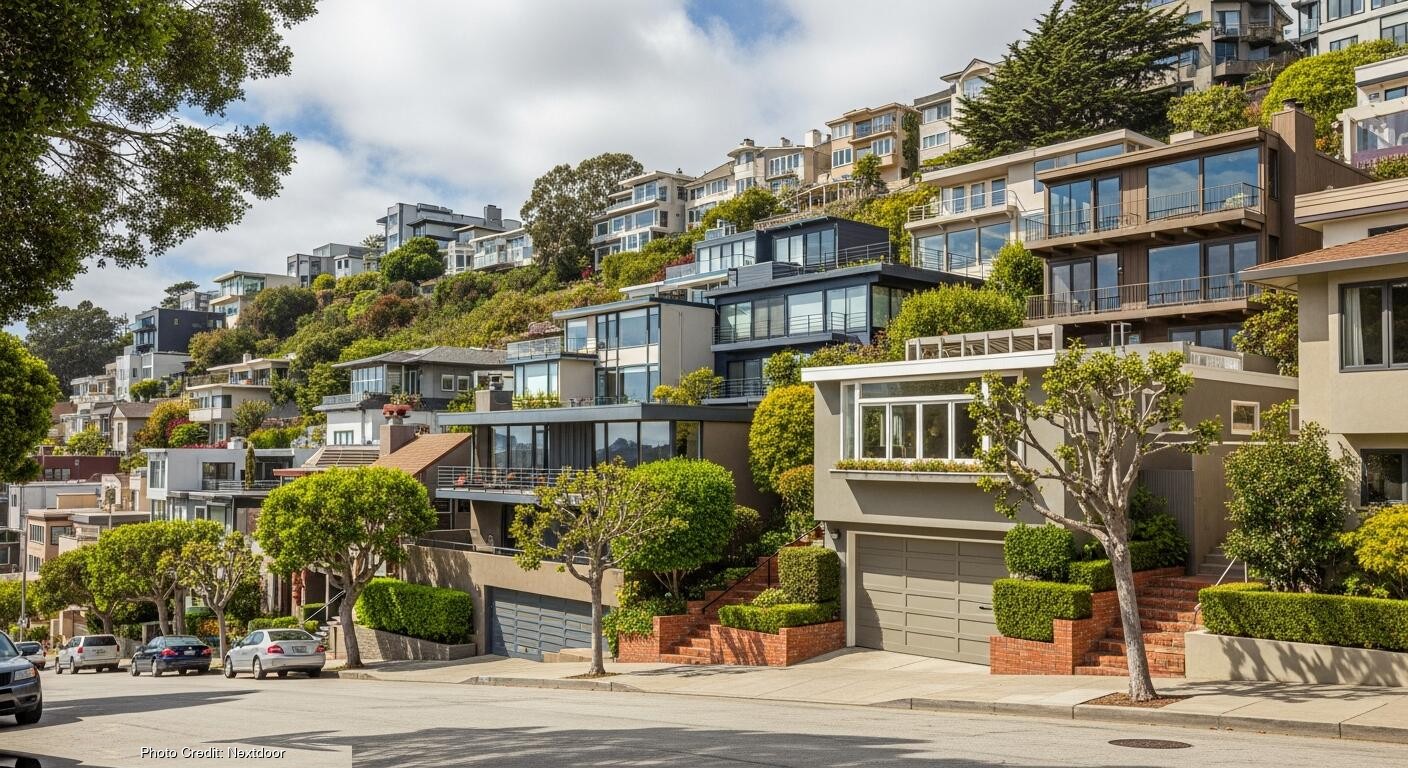
Diamond Heights perches atop three dramatic hills - Red Rock Heights, Gold Mine Hill, and Fairmount Heights - offering some of San Francisco's most spectacular panoramic views. This mid-century neighborhood, developed in the 1960s, showcases clean-lined modern architecture that's aged beautifully, with many homes featuring floor-to-ceiling windows designed to capture those sweeping vistas of the city, bay, and distant mountains.
Ingleside Terraces
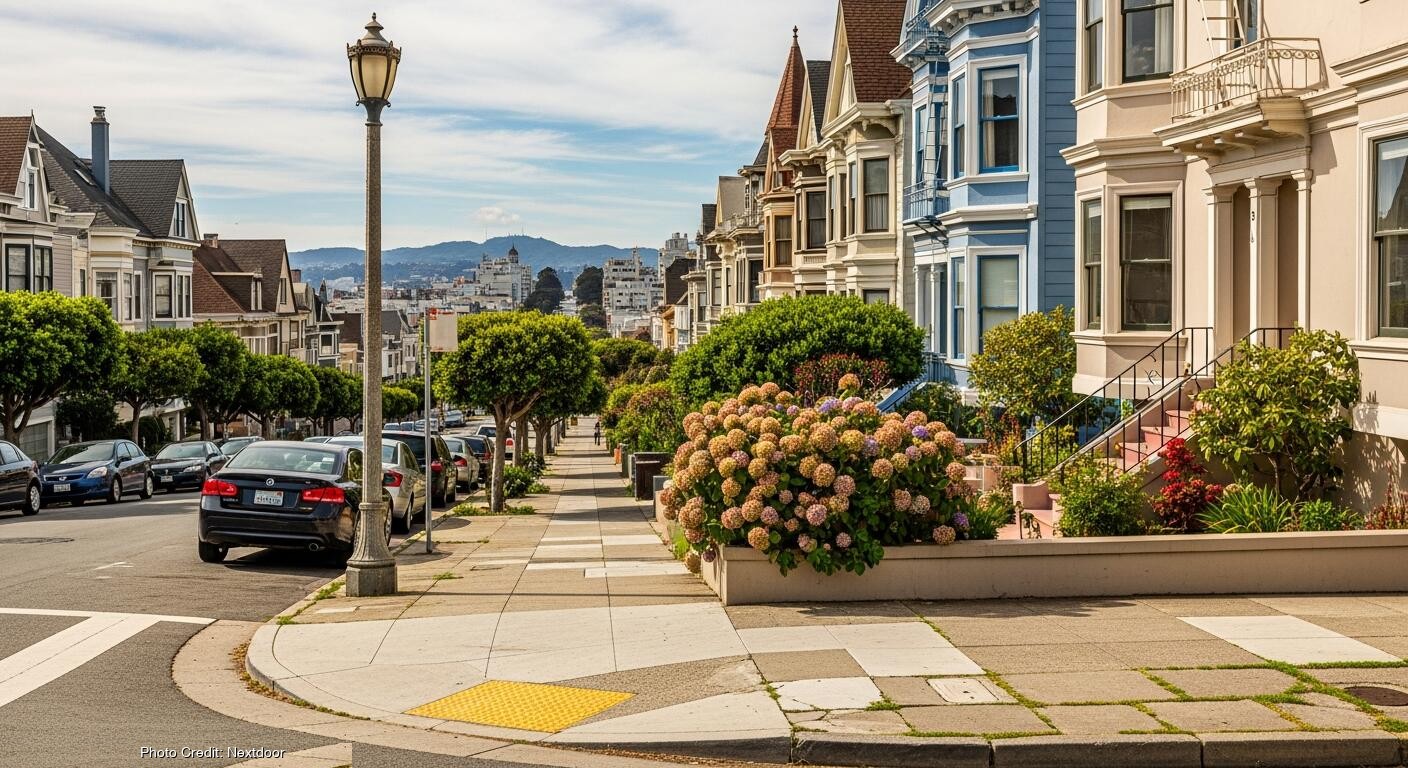
Ingleside Terraces carries a fascinating history - this affluent enclave of approximately 750 detached homes was built on the site of the legendary Ingleside Racetrack, and that circular heritage remains visible in the neighborhood's unique layout. At the center sits the Sundial, a distinctive circular plaza that serves as the neighborhood's heart and a quirky reminder of its racetrack past.
Forest Knolls
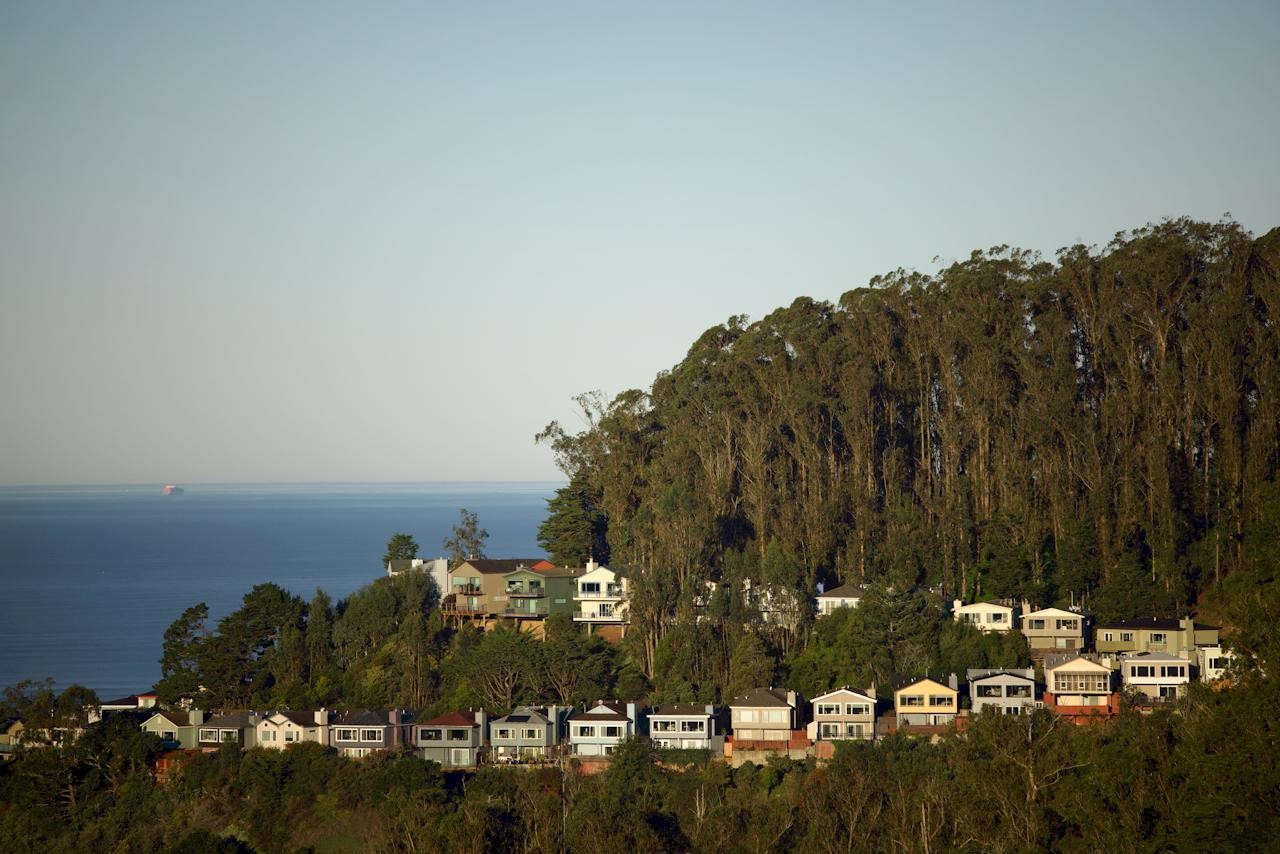
Forest Knolls nestles into hillsides below Mount Sutro, its name perfectly capturing the neighborhood's defining character - forested terrain that creates a secluded, almost rural atmosphere within city limits. Part of Adolph Sutro's original tree-planting legacy, the neighborhood is shaded by towering eucalyptus and cypress that transform daily life into something more tranquil and meditative.
Forest Hill
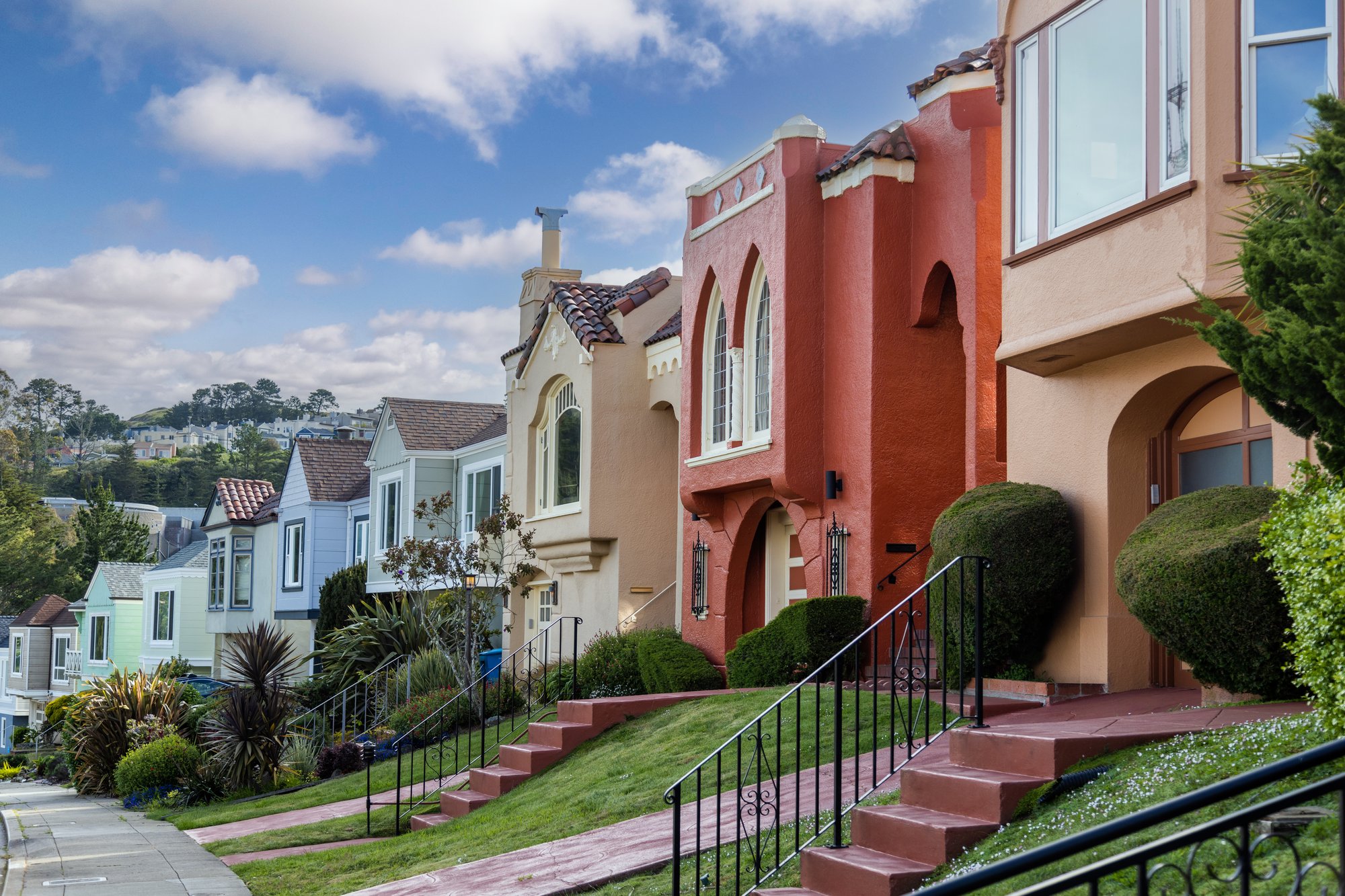
Forest Hill rises from the cityscape like a secret garden, its winding, eucalyptus-lined streets offering an almost suburban serenity minutes from downtown. As one of San Francisco's eight master-planned residence parks, Forest Hill was designed to be an urban oasis, and it delivers on that promise spectacularly.
Midtown Terrace
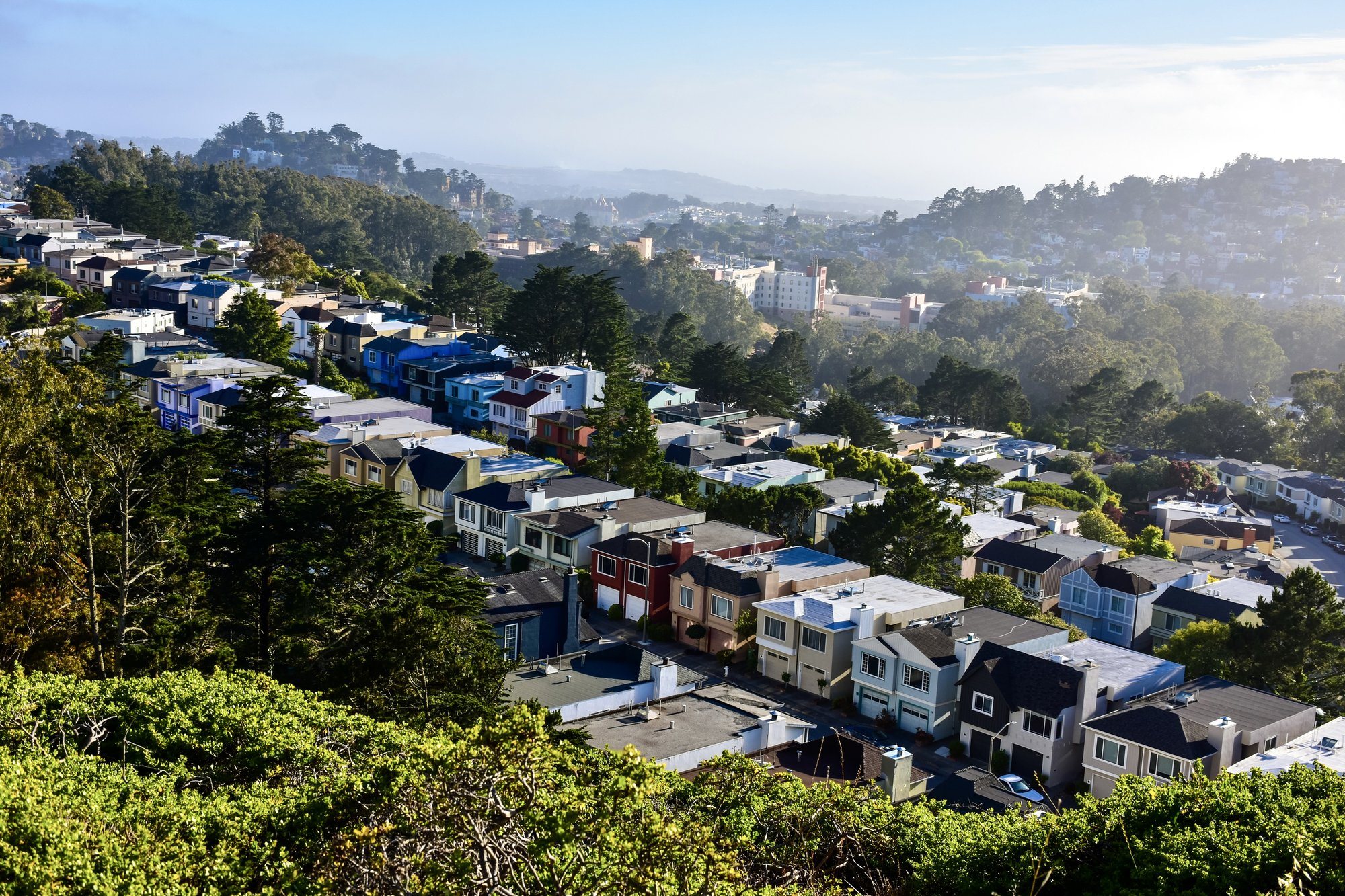
Midtown Terrace climbs the slopes of Mount Sutro, offering elevated living in every sense. This mid-century neighborhood features homes with dramatic views and a wonderfully secluded atmosphere despite sitting geographically central to the city.
Balboa Terrace
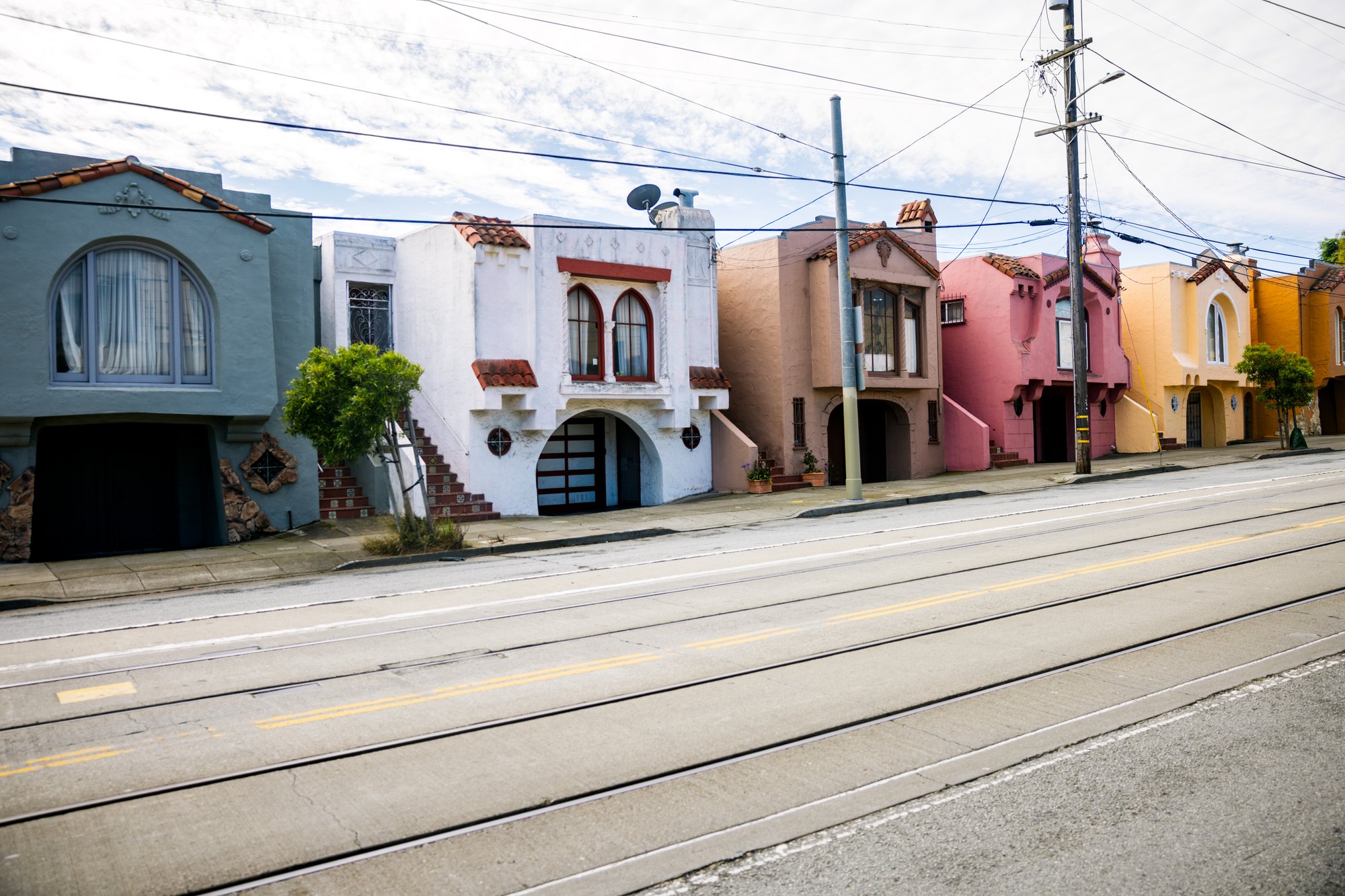
Balboa Terrace is one of San Francisco's quietly elegant planned residence parks, designed in the 1920s with landscaped boulevards, ornamental gateways, and gracious homes that evoke a garden suburb sensibility. The tree-lined streets curve gently, creating a neighborhood that feels distinctly residential yet remains wonderfully connected.
District 5
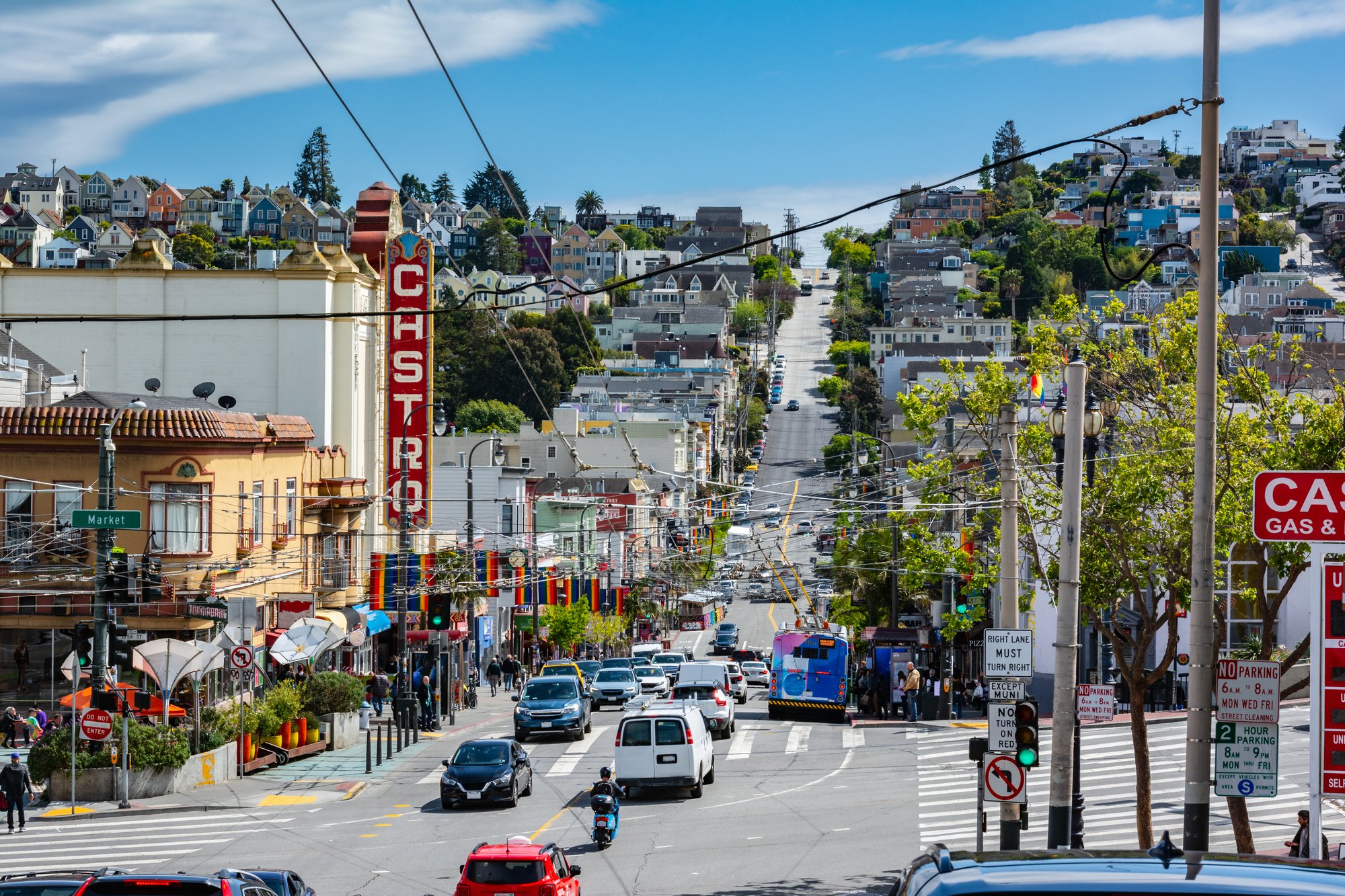
Eureka Valley, Dolores Heights, The Castro
Eureka Valley and Dolores Heights encompass the heart of the Castro and the sunny slopes climbing toward Mission Dolores Park, creating one of San Francisco's most vibrant and welcoming neighborhoods. The Castro's rainbow crosswalks and iconic theater mark a neighborhood that's proudly itself - historic, inclusive, and endlessly dynamic.
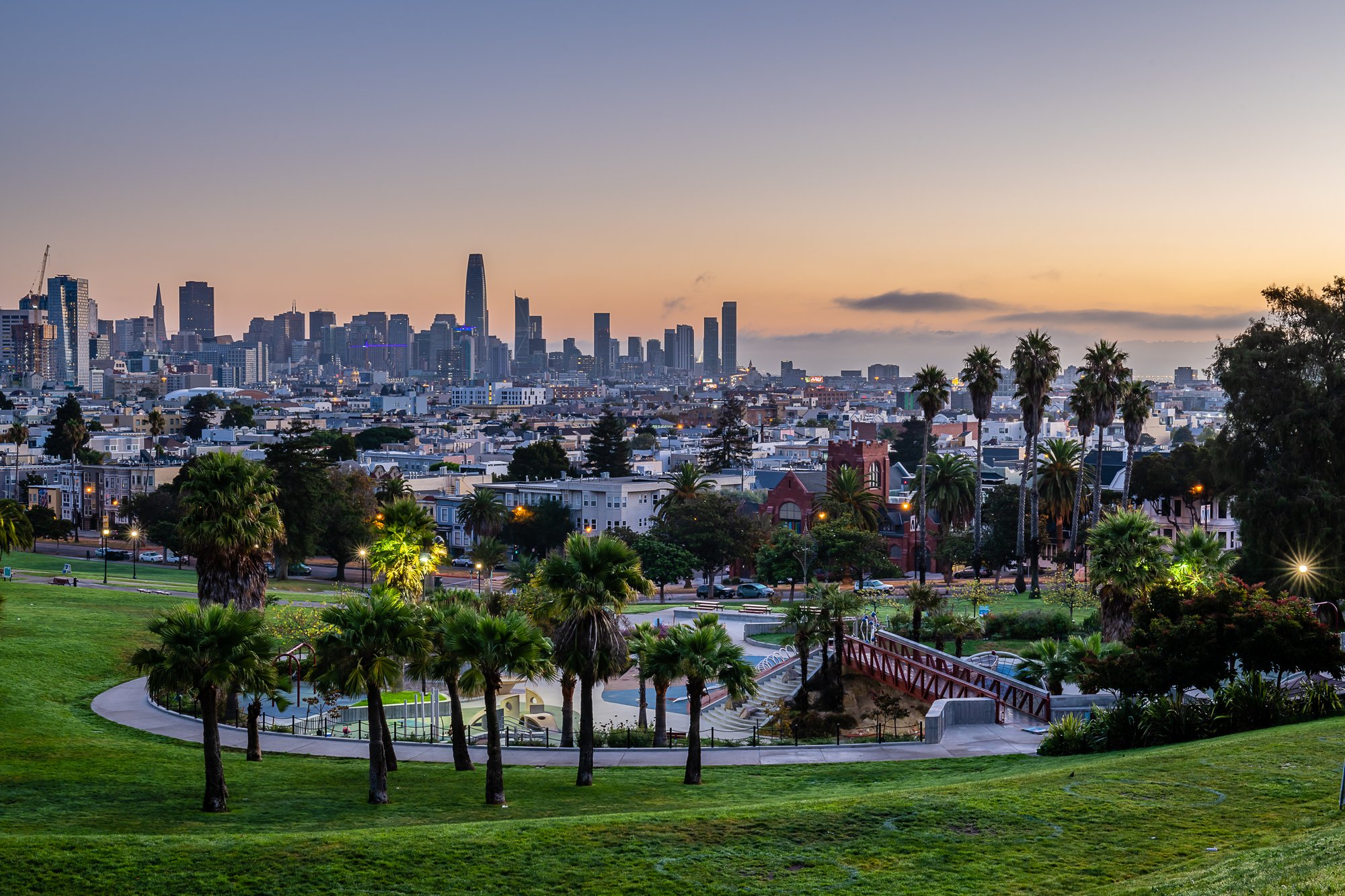
Mission Dolores
Mission Dolores sits at the cultural crossroads of San Francisco, where the Mission's creative energy meets Dolores Park's sunny community gatherings and the historic Basilica anchors the neighborhood's roots back to 1776. This is the San Francisco that locals cherish: diverse, dynamic, and delicious.
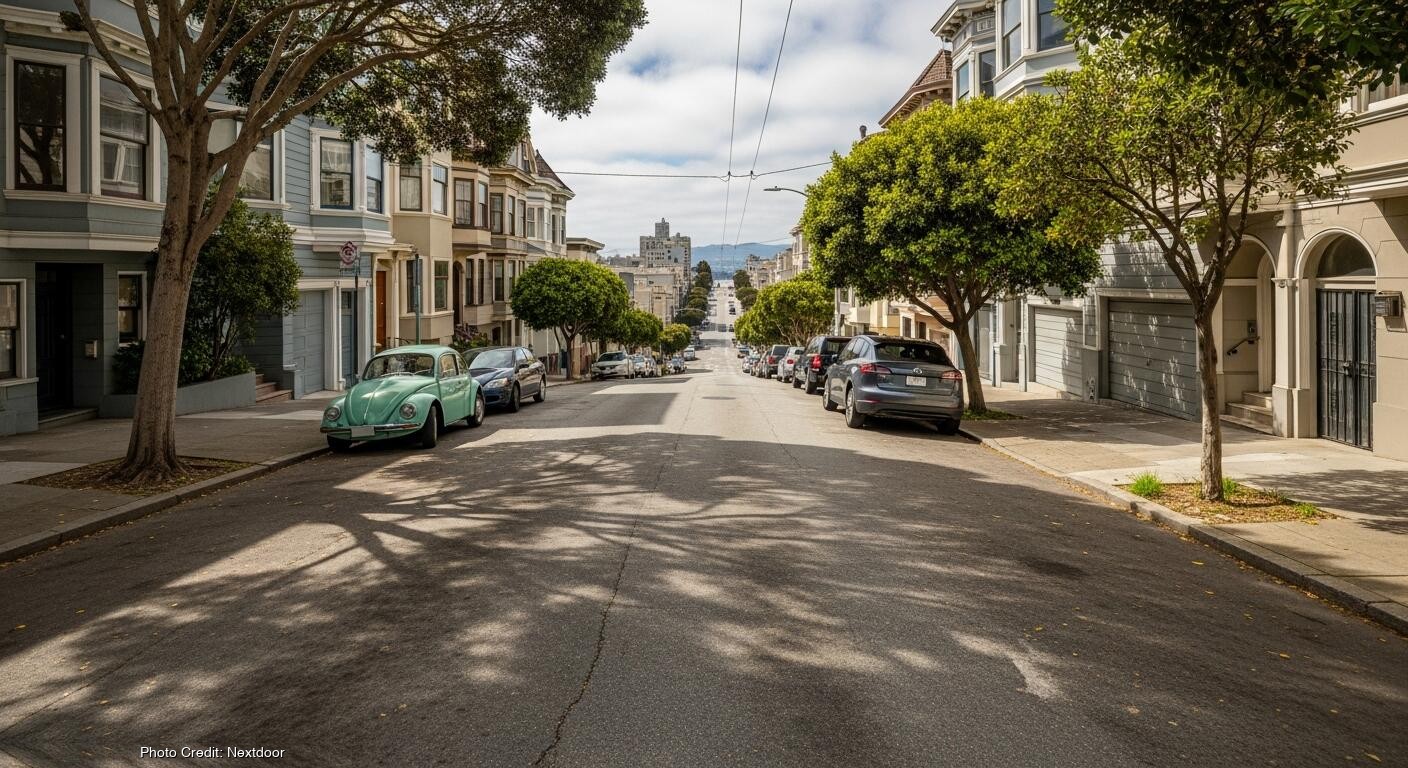
Duboce Triangle
Duboce Triangle is where the city's energy meets neighborhood charm - a small, perfectly positioned triangle bounded by Market Street's transit corridor, the Castro's vibrancy, and the quiet edge of Duboce Park. This is urban convenience distilled: the N-Judah rolls right through, the Castro and Hayes Valley are minutes away on foot, and yet your actual street is tree-lined and residential with Victorians and Edwardians that showcase the city's architectural heritage.
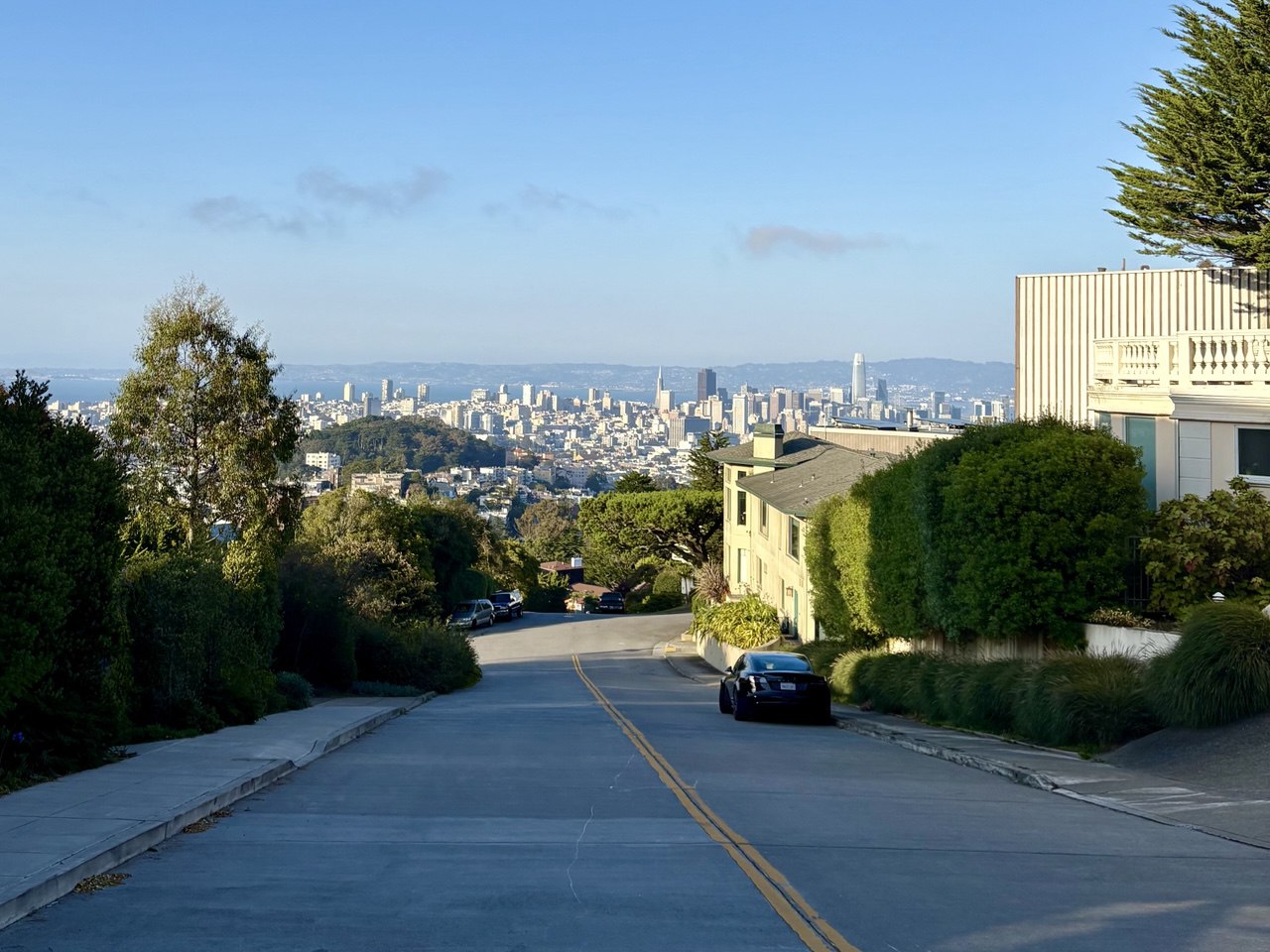
Clarendon Heights
Clarendon Heights is San Francisco's quiet retreat - a residential enclave perched on the slopes above Cole Valley and the Inner Sunset where peace, views, and nature define daily life. This is a neighborhood for those who prioritize space and serenity: streets are steep and quiet, homes often have yards and gardens (a true luxury in San Francisco), and the fog tends to part earlier here, blessing residents with microclimates that can be ten degrees warmer than the Sunset below.
Corona Heights
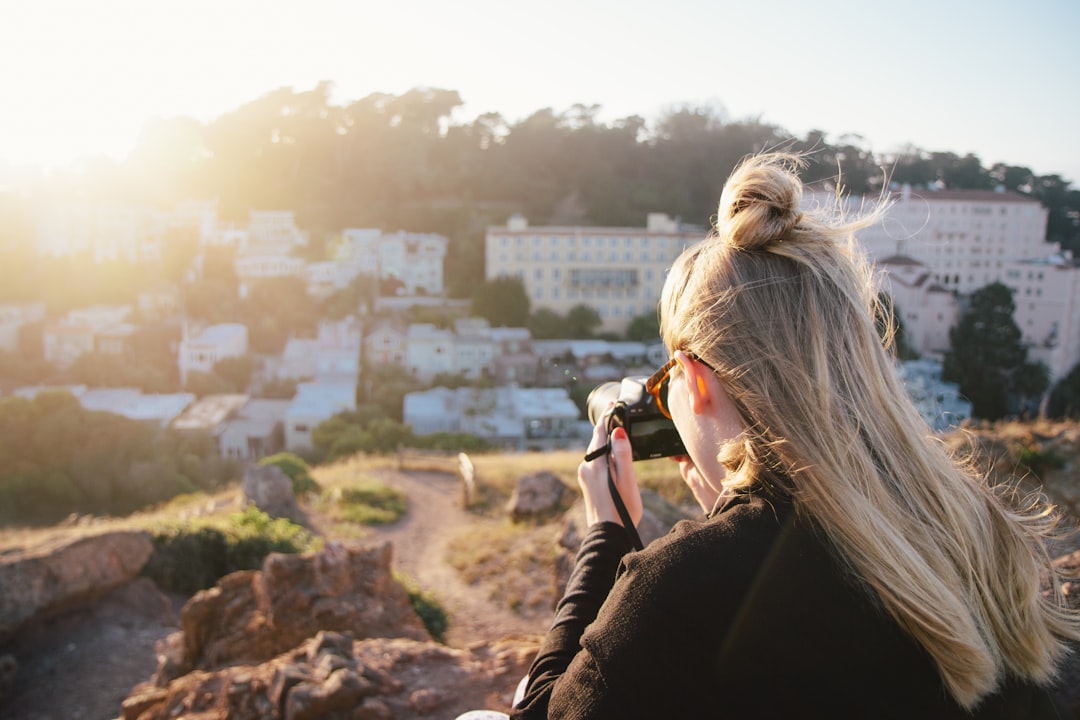
Corona Heights is compact, elevated, and community-minded - a small neighborhood perched on the hillside between the Castro and Haight where the landmark Corona Heights Park offers 360-degree views from its rocky summit. This is a neighborhood for morning hikers who summit before coffee, dog owners who gather at the off-leash area, and anyone who wants sweeping city vistas without leaving the neighborhood.

Buena Vista / Ashbury Heights
Buena Vista and Ashbury Heights claim San Francisco's oldest park - Buena Vista Park, established in 1867 - and the neighborhood wraps around its wooded slopes like a verdant crown. This is elevated living in every sense: physically perched on the hillsides, architecturally distinguished with grand Victorians and Edwardians showcasing the city's finest period details, and culturally adjacent to the Haight's energy while maintaining peaceful residential streets.
Glen Park
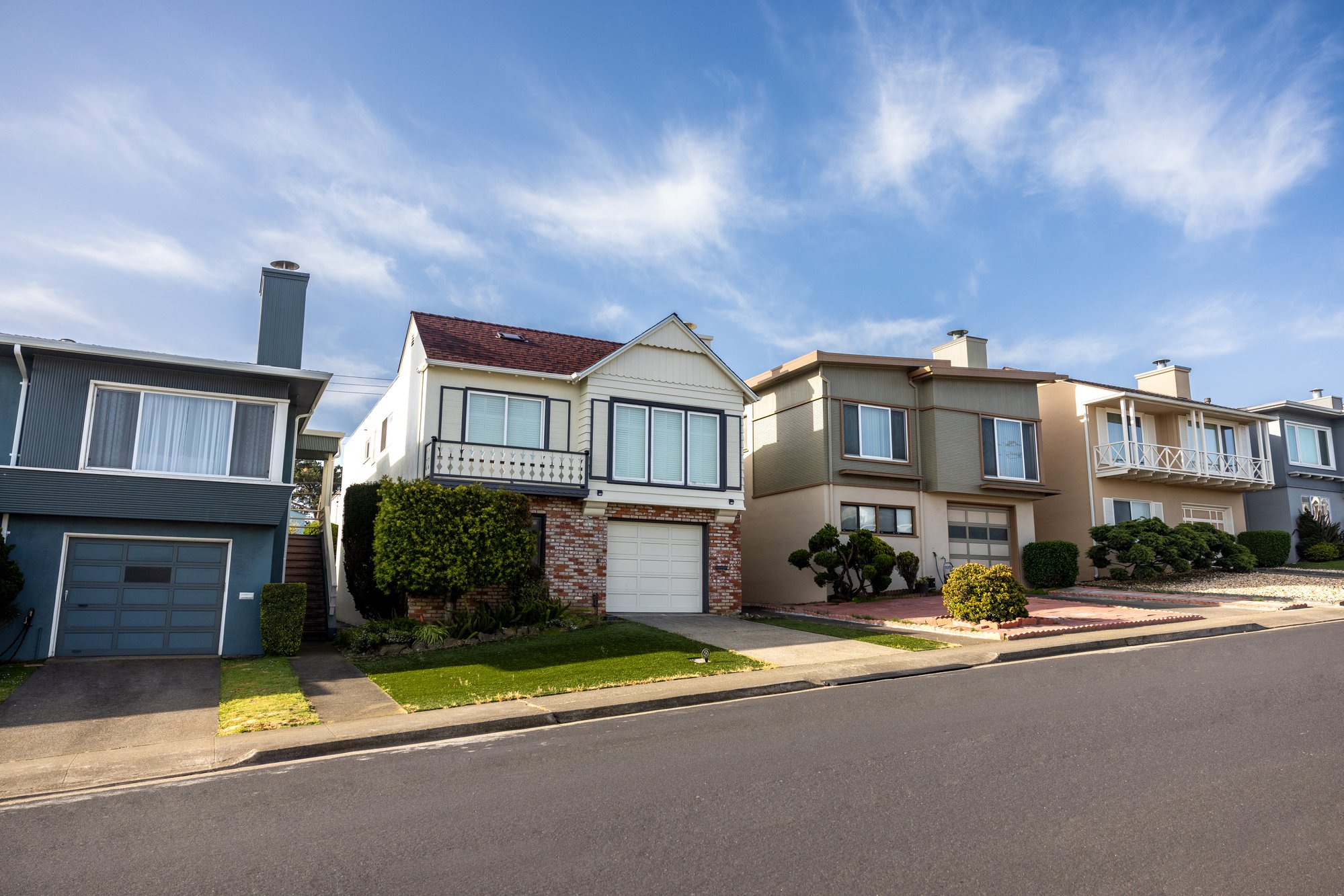
Glen Park is San Francisco's best-kept secret: a genuine village tucked into a canyon where neighbors know each other by name and the pace slows just enough to breathe. Mornings begin at Glen Park Cafe with organic ingredients and a side of local conversation, or grab a Brazilian pastry and coffee at Cafe de Casa where Portuguese fills the air and the salgadinhos are the real thing.
Noe Valley
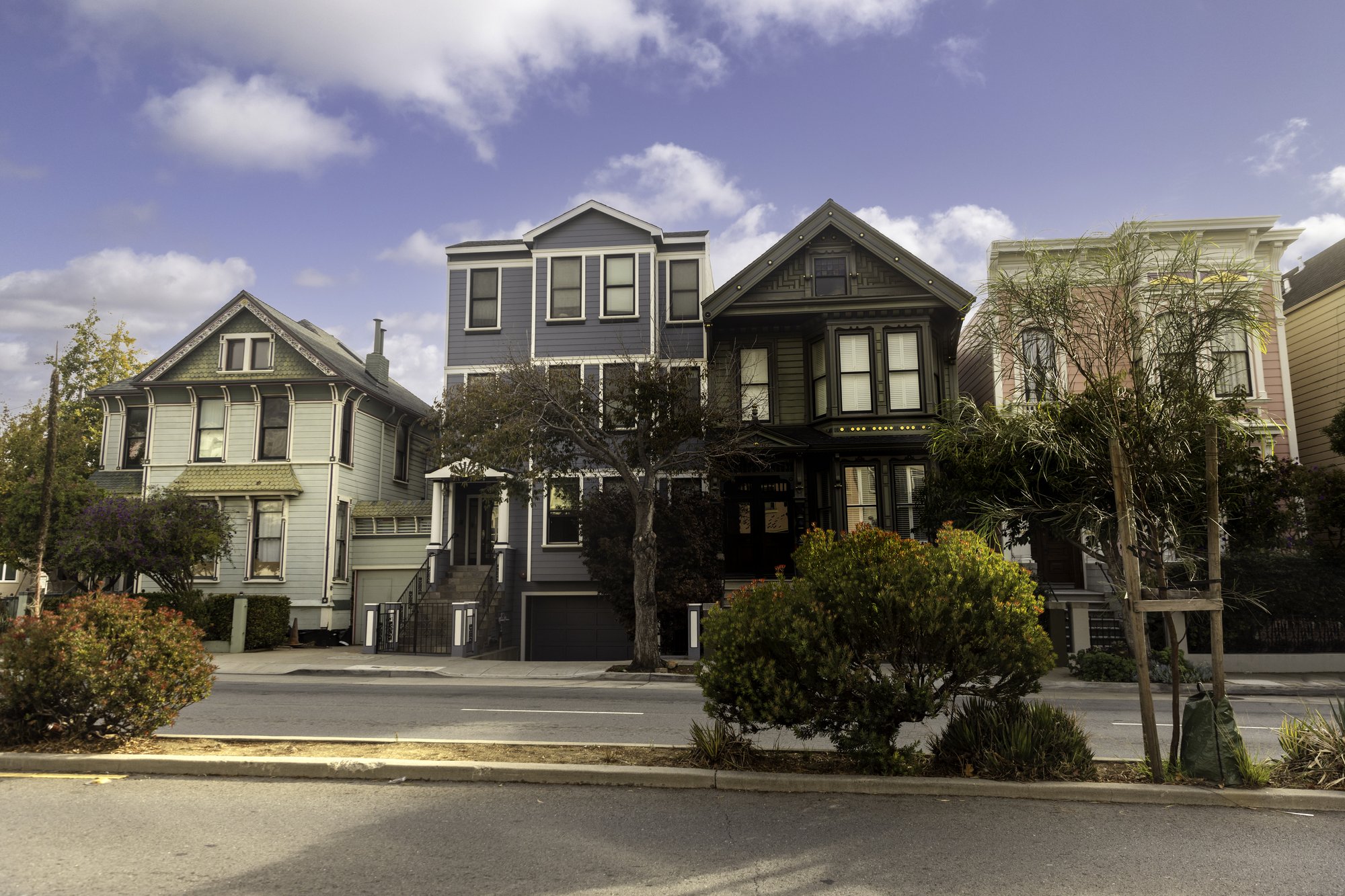
Noe Valley is where San Francisco families come to put down roots, drawn by the sunny microclimate, village charm, and genuine sense of community. The heart of it all is 24th Street, where Saturday mornings unfold like a ritual: coffee at Philz or Fiore Caffe, pastries from Noe Valley Bakery, browsing the farmers market while kids scramble on the sidewalks.
Twin Peaks
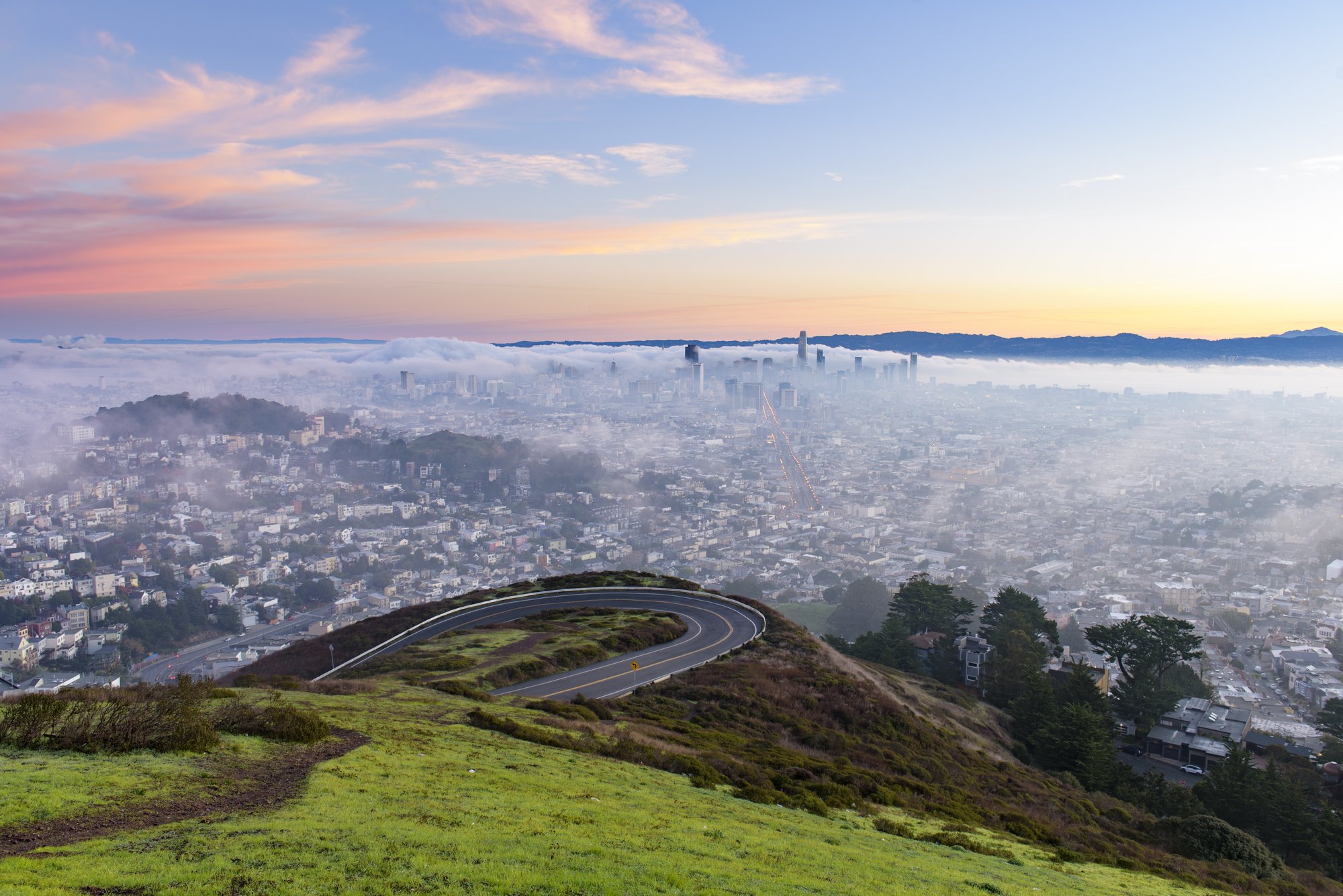
Twin Peaks is where you live above it all - literally. Perched at the geographic center of San Francisco, this primarily residential neighborhood offers what urban dwellers dream about: sweeping panoramic views from the Bay Bridge to the Golden Gate, quiet winding streets, and a genuine sense of escape without leaving the city.
Haight Ashbury
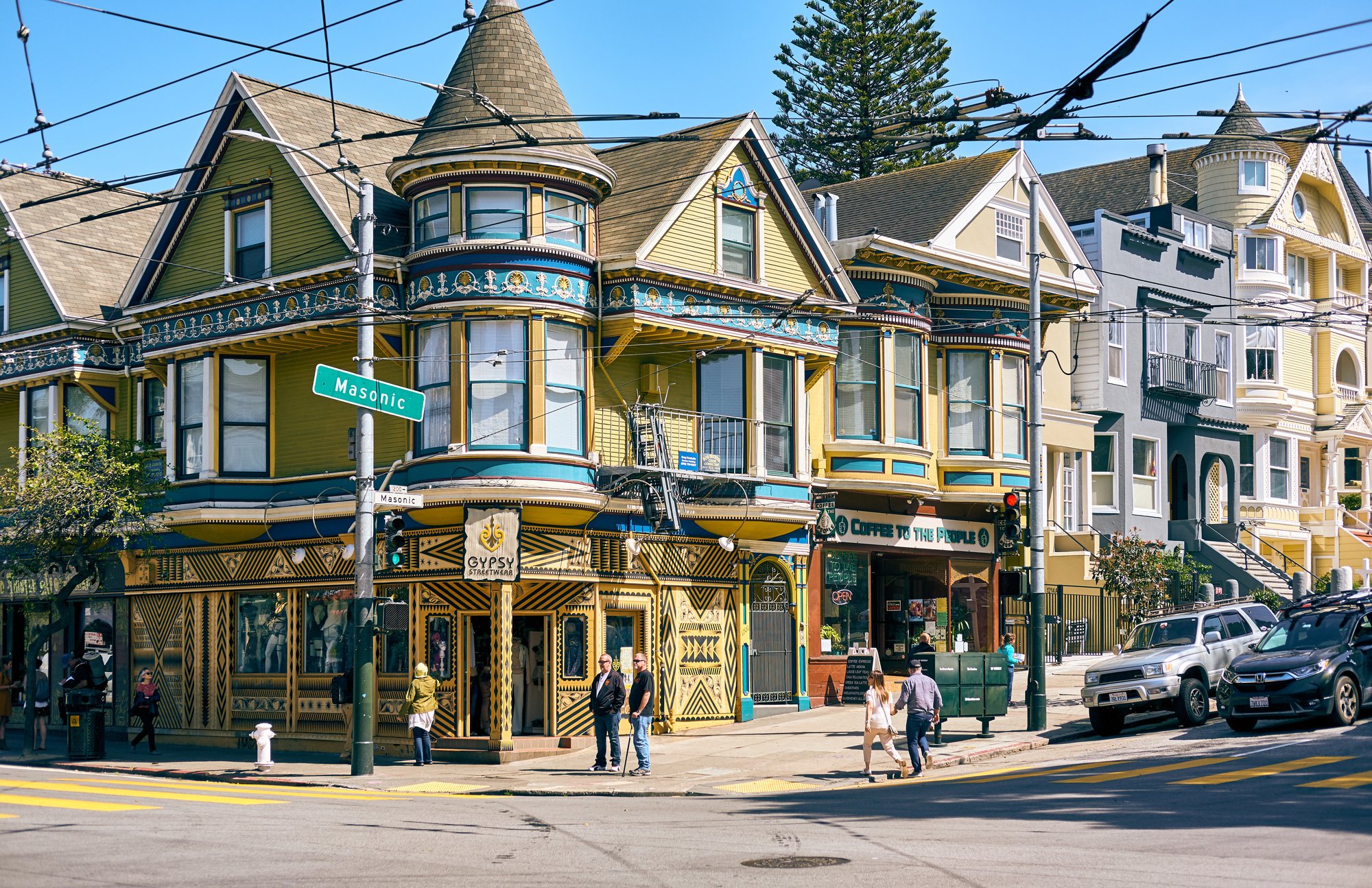
Haight Ashbury wears its counterculture legacy lightly these days, blending vintage spirit with sophisticated urban living. Yes, Amoeba Music still anchors the corner of Haight and Stanyan, and the vintage shops still draw treasure hunters, but the neighborhood has evolved into something richer and more layered.
Cole Valley / Parnassus Heights
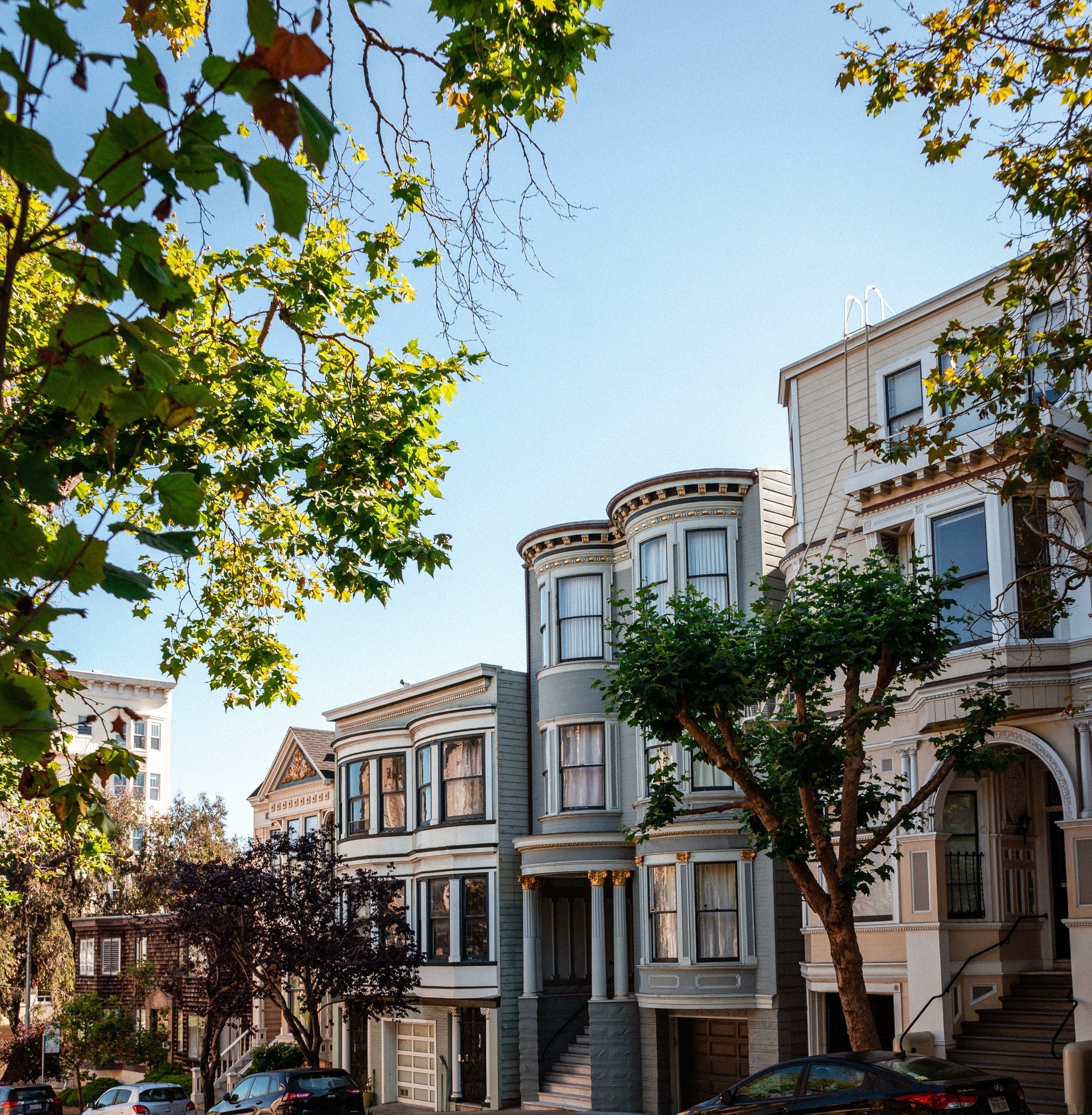
Cole Valley is the neighborhood that feels like a secret handshake - an impossibly charming village tucked between the Haight and the medical center, where locals have claimed the perfect balance of urban and serene. The corner of Cole and Carl is the heart of it all: Zazie draws weekend brunch crowds to its garden patio for French bistro fare, while Crepes On Cole serves sweet and savory crepes from morning to night.
District 6
Western Addition
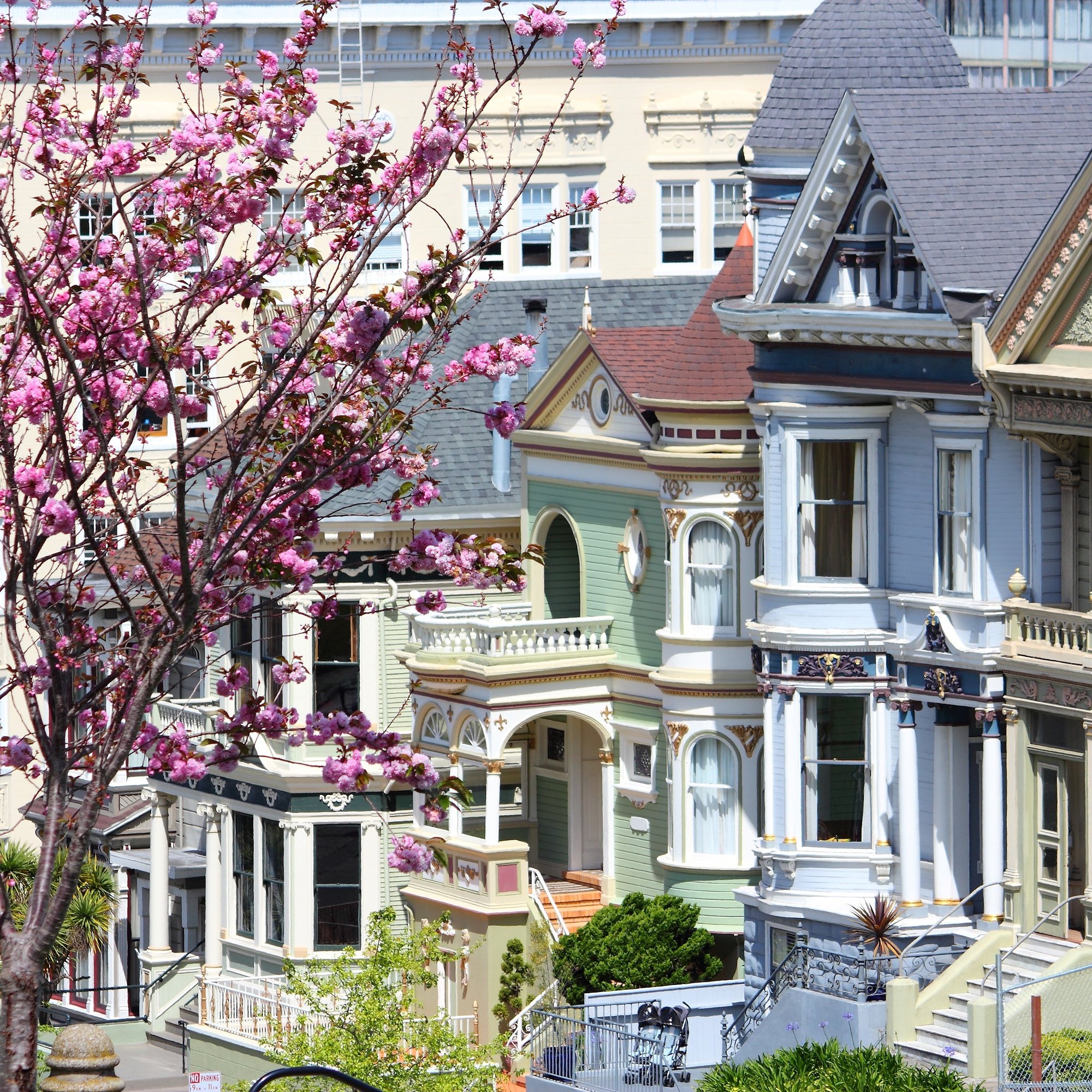
The Western Addition is a neighborhood woven from jazz history, Victorian architecture, and a spirit of resilience. This is where the Fillmore District thrived as the "Harlem of the West" during the 1940s and 50s, and today that creative energy still pulses through the streets.
Hayes Valley
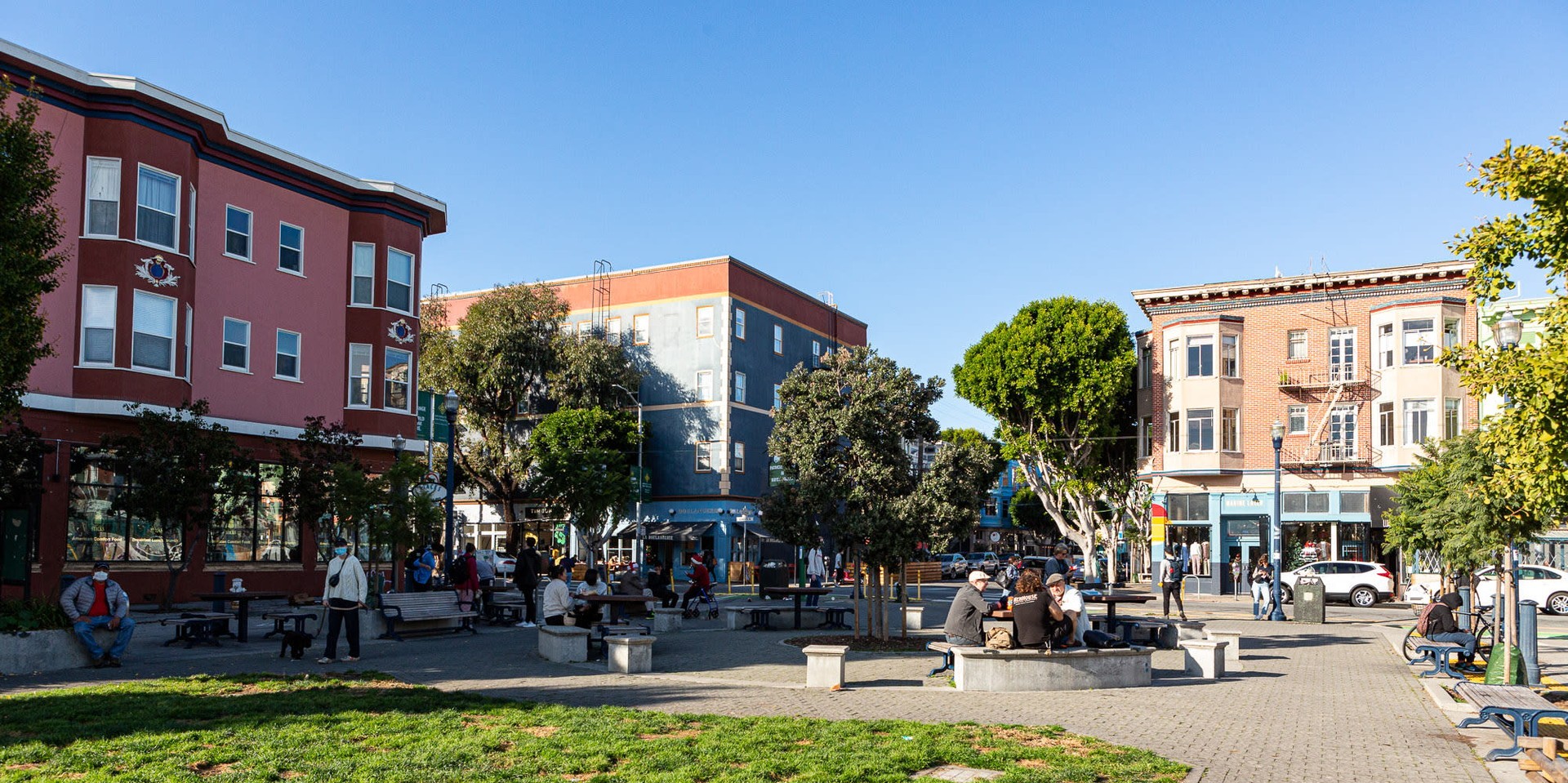
Hayes Valley is where urban sophistication meets neighborhood soul. Start your morning at Loquat for some of the city's finest pastries - those salted chocolate babkas are reason enough to move here - or grab a pour-over at the original Blue Bottle Coffee kiosk tucked on Linden Street.
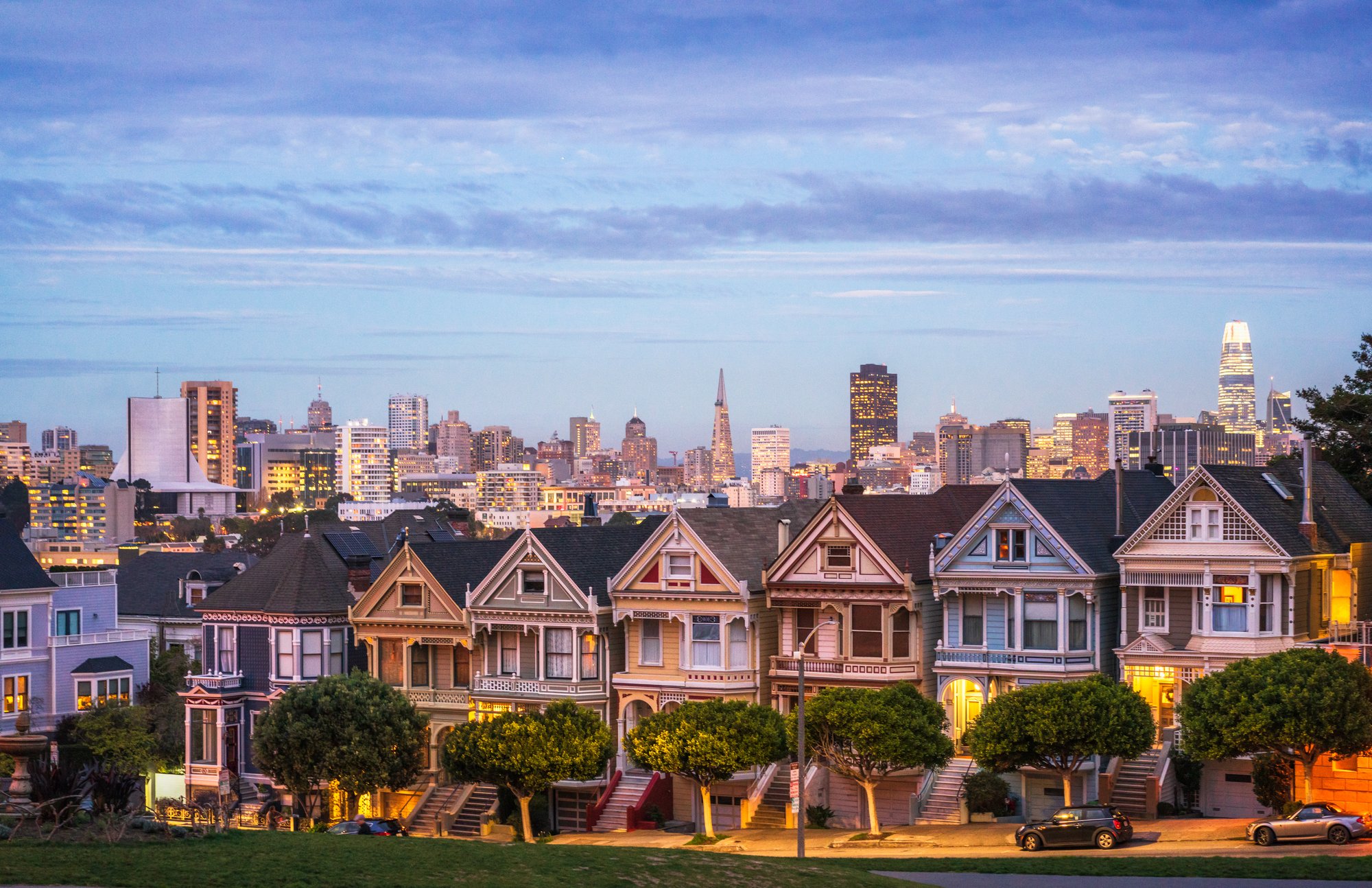
Alamo Square
Alamo Square is famous for its Painted Ladies - those iconic Victorian homes framed against the downtown skyline - but locals know the neighborhood is so much more than a postcard view. This is a place where families picnic in the park while dogs chase frisbees and neighbors gather at the weekly farmers market.
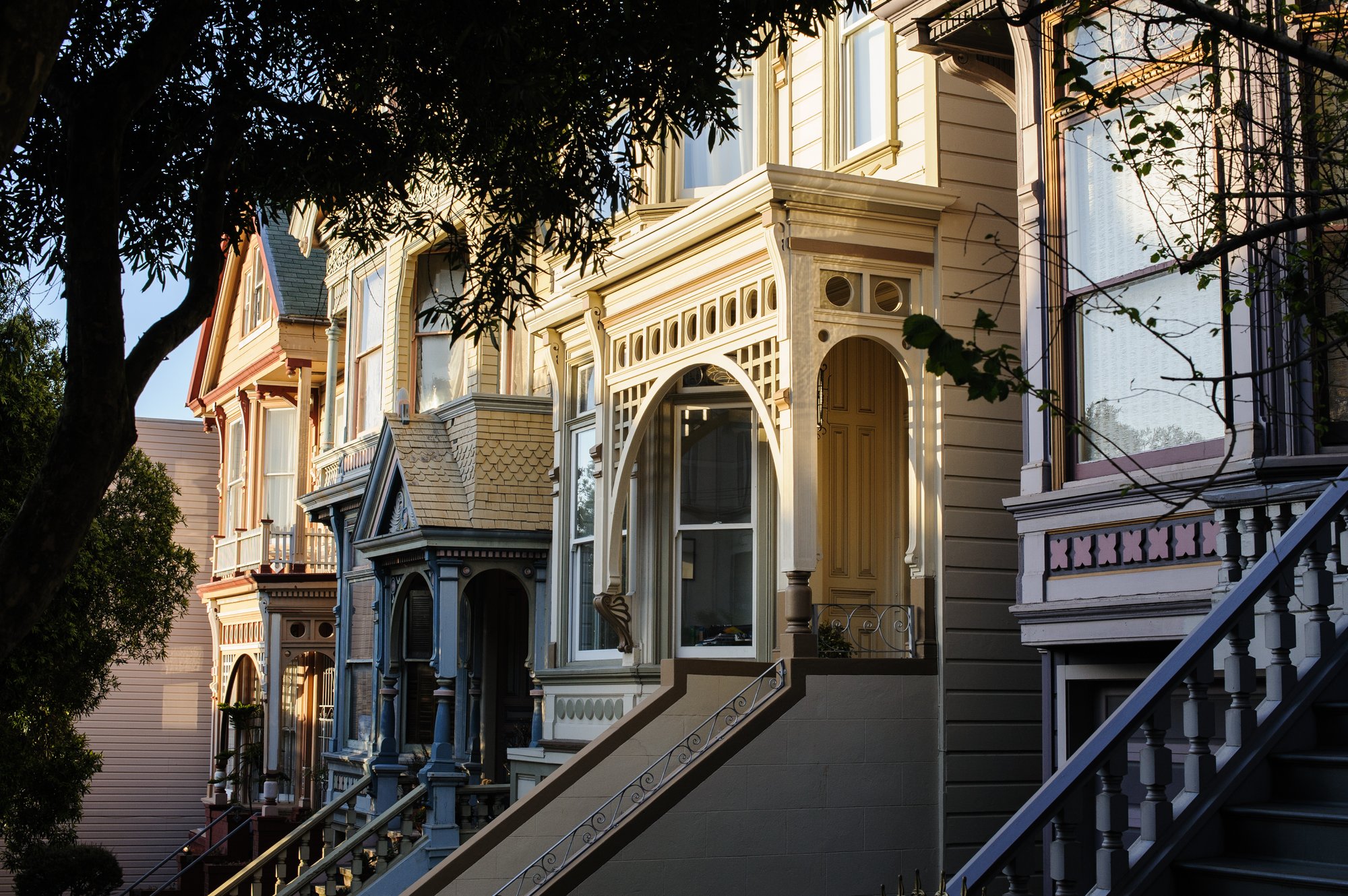
North Panhandle
The North Panhandle stretches along the green corridor of the Panhandle park, that narrow strip of eucalyptus trees and meadows connecting Golden Gate Park to the heart of the city. Living here means having your morning run or afternoon picnic spot steps from your door, where dogs play off-leash and neighbors gather for impromptu volleyball games.
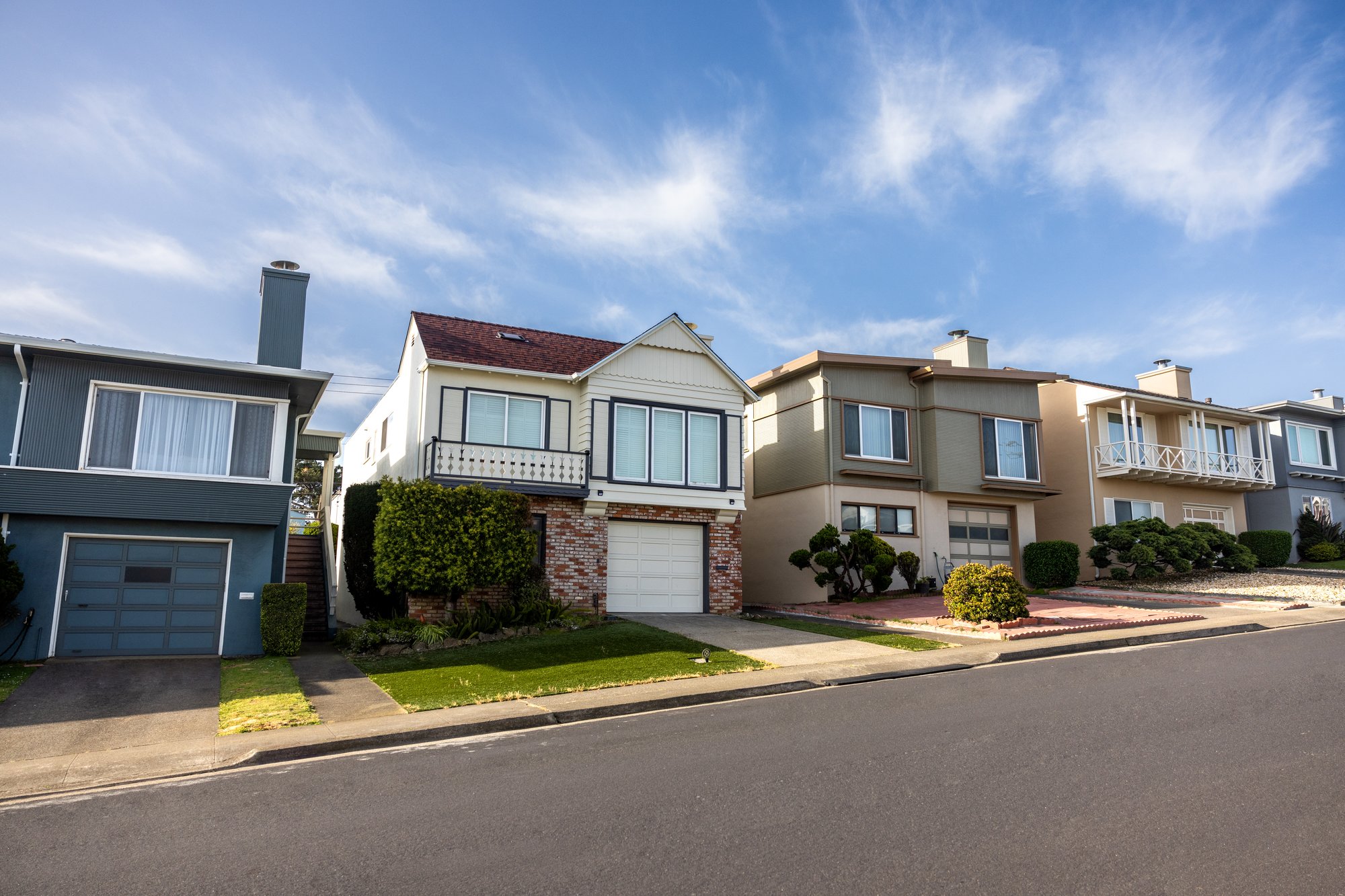
Anza Vista
Anza Vista is a hidden residential gem nestled between the University of San Francisco campus and the Western Addition, offering the kind of quiet, tree-lined streets where neighbors know each other's names. This smaller neighborhood doesn't draw tourists, and that's precisely its charm - it's where locals live their daily lives away from the city's bustle.
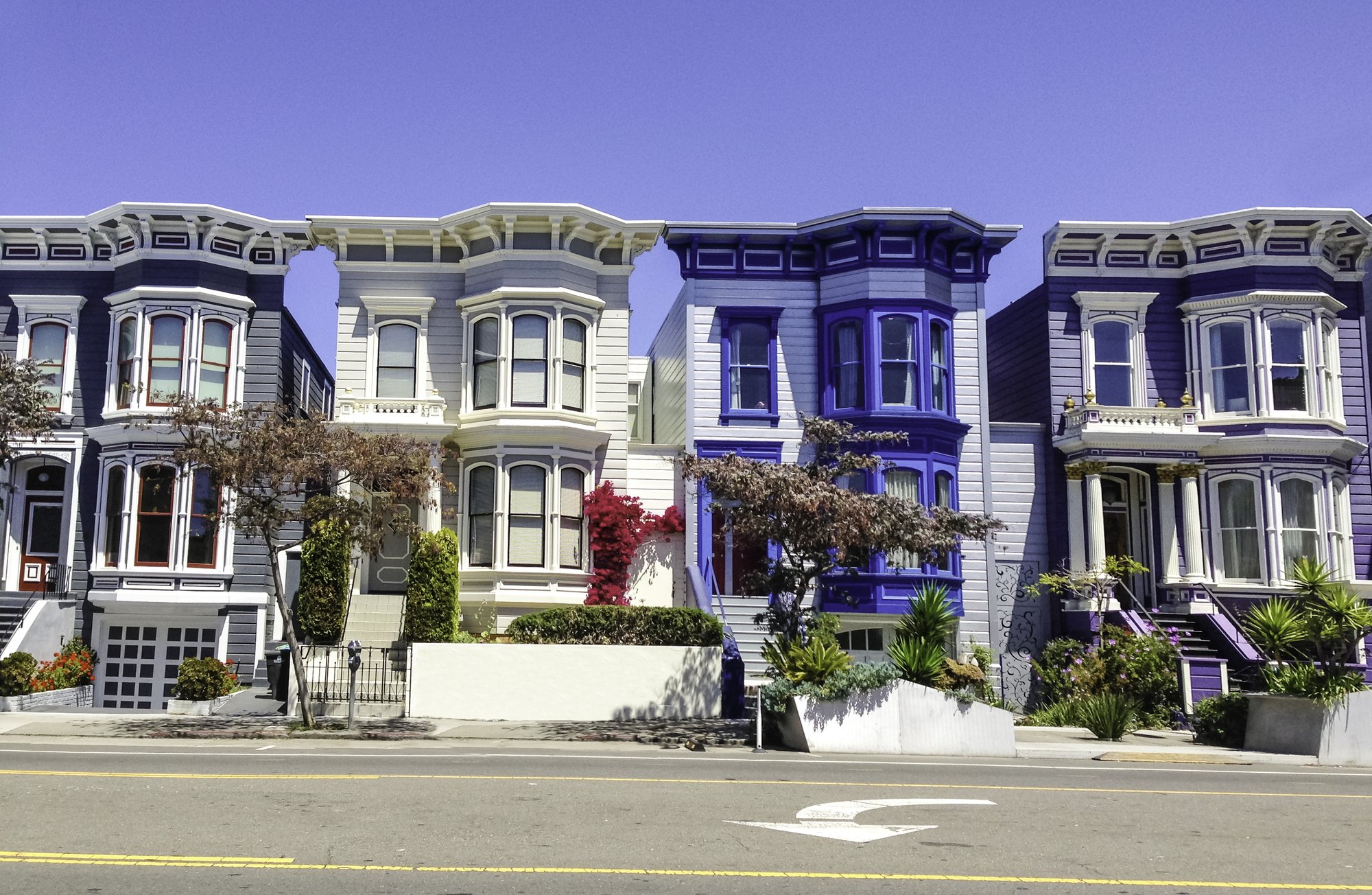
Lower Pacific Heights
Lower Pacific Heights - affectionately known as "Lower Pac" or "LOPA" - is where Fillmore Street becomes a Sunday ritual. This is brunch at Sweet Maple (where the millionaire's bacon is worth the wait), pastries from B.
District 7
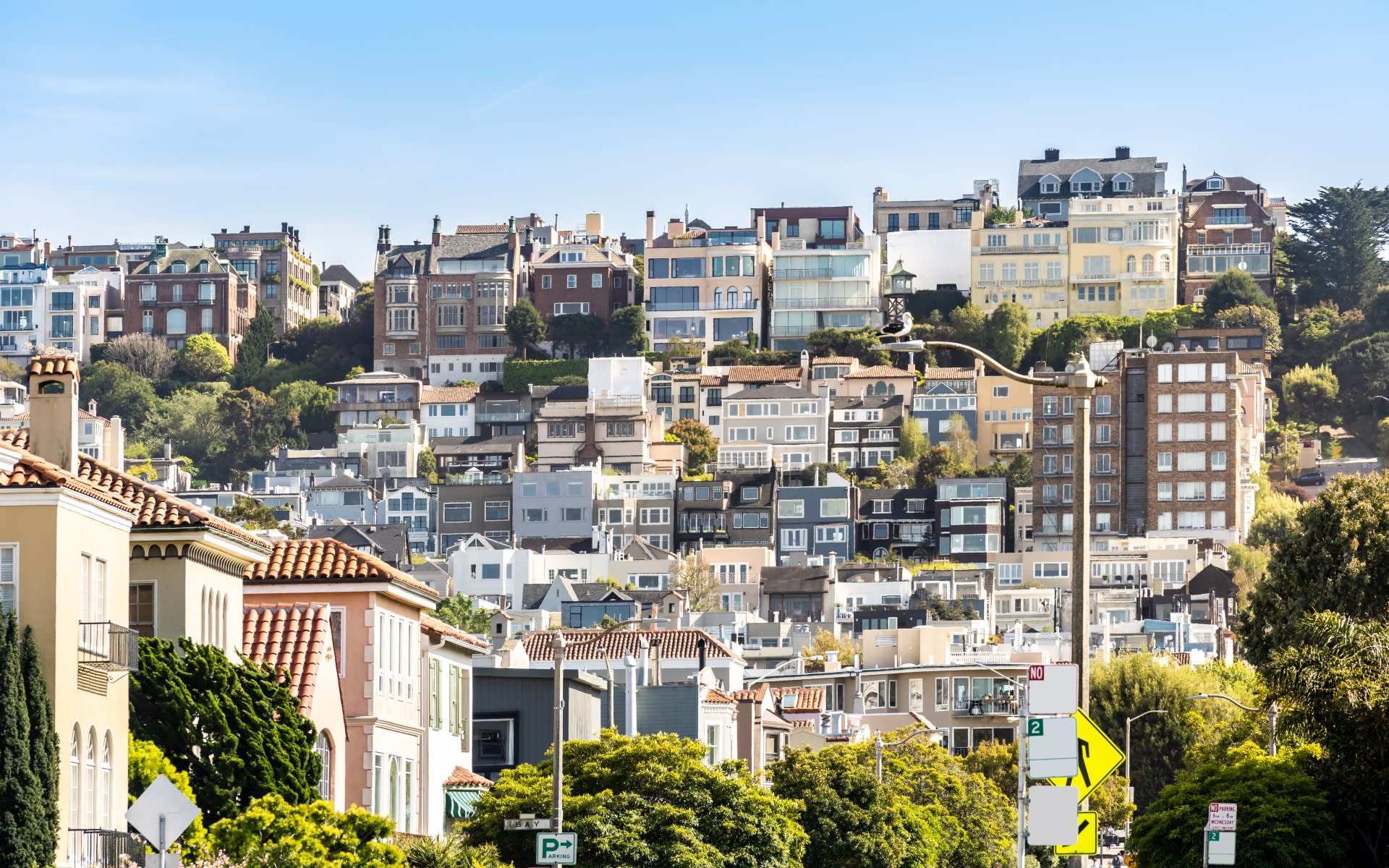
Cow Hollow
Cow Hollow - named for the dairy farms that once dotted these valleys - is the Marina's slightly more grown-up neighbor. Union Street is the commercial heart: boutiques selling everything from running gear to Italian leather, wine bars where friends gather after work, and restaurants that strike that perfect balance between scene and sustenance.
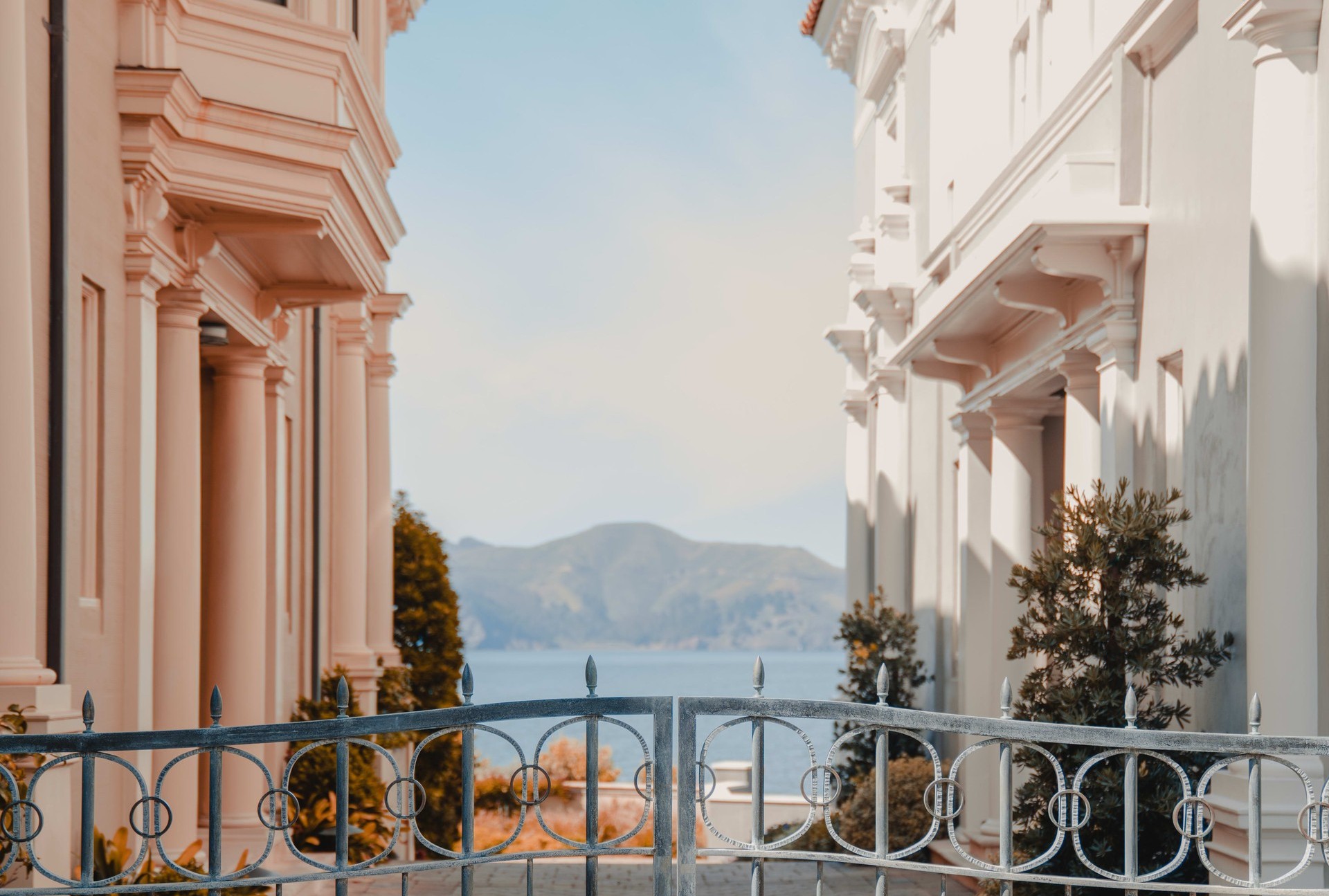
Presidio Heights
Presidio Heights is where San Francisco's old money meets family-friendly tranquility. Bordered by the Presidio National Park to the north and Pacific Heights to the east, this neighborhood offers the best of both worlds: stately homes on tree-canopied streets with one of America's most beautiful urban parks as your backyard.
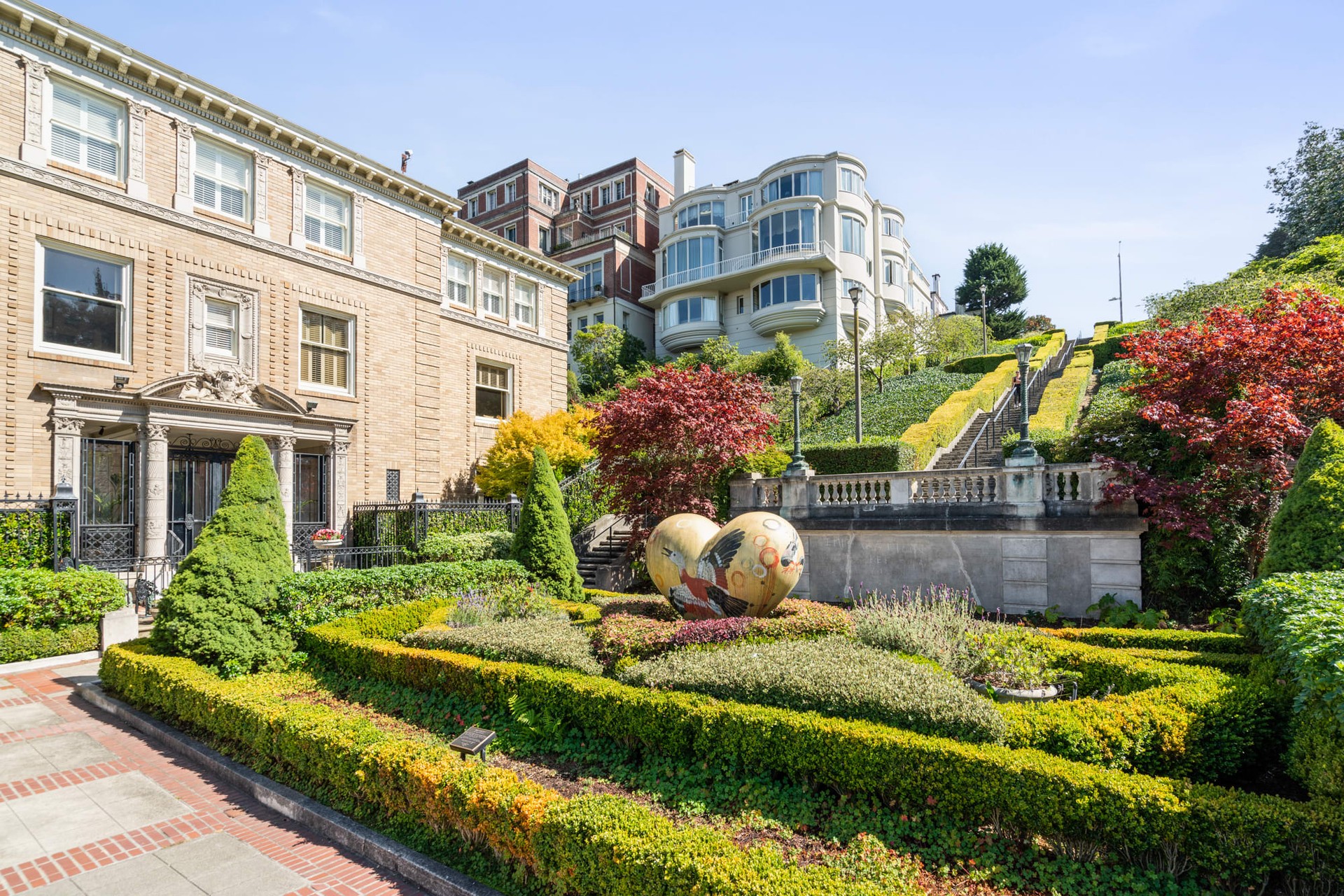
Pacific Heights
Pacific Heights is San Francisco at its most refined. This is where mansions line Broadway, where consulate flags flutter outside grand estates, and where views stretch from the Bay Bridge to the Golden Gate.
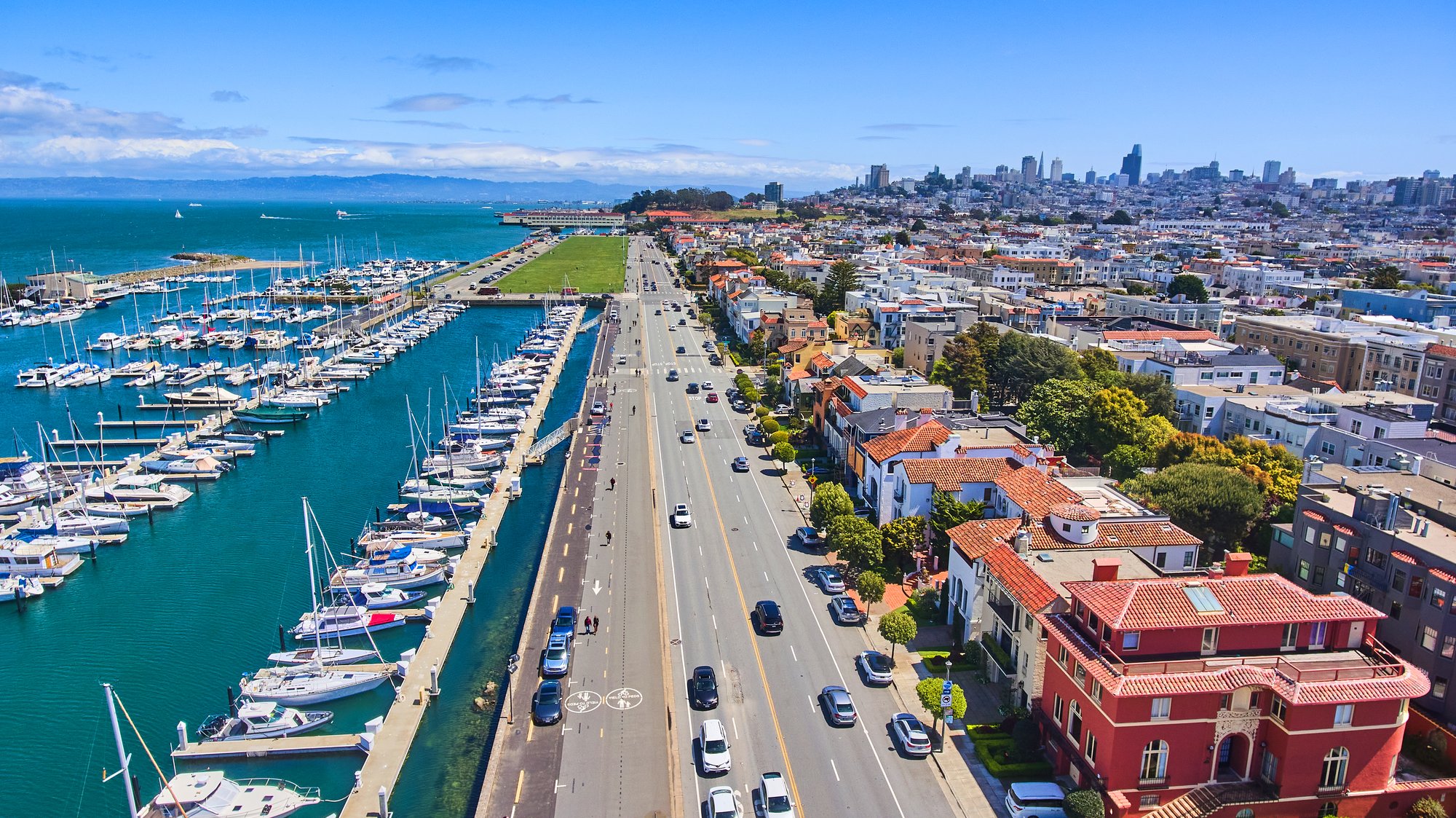
Marina
The Marina is where San Francisco feels most like a coastal playground. Weekend mornings mean jogging along the waterfront trail with Golden Gate Bridge views, then rewarding yourself with brunch at Causwells for their legendary burger and dirty fries, or Delarosa Marina for wood-fired pizza and pasta.
District 8
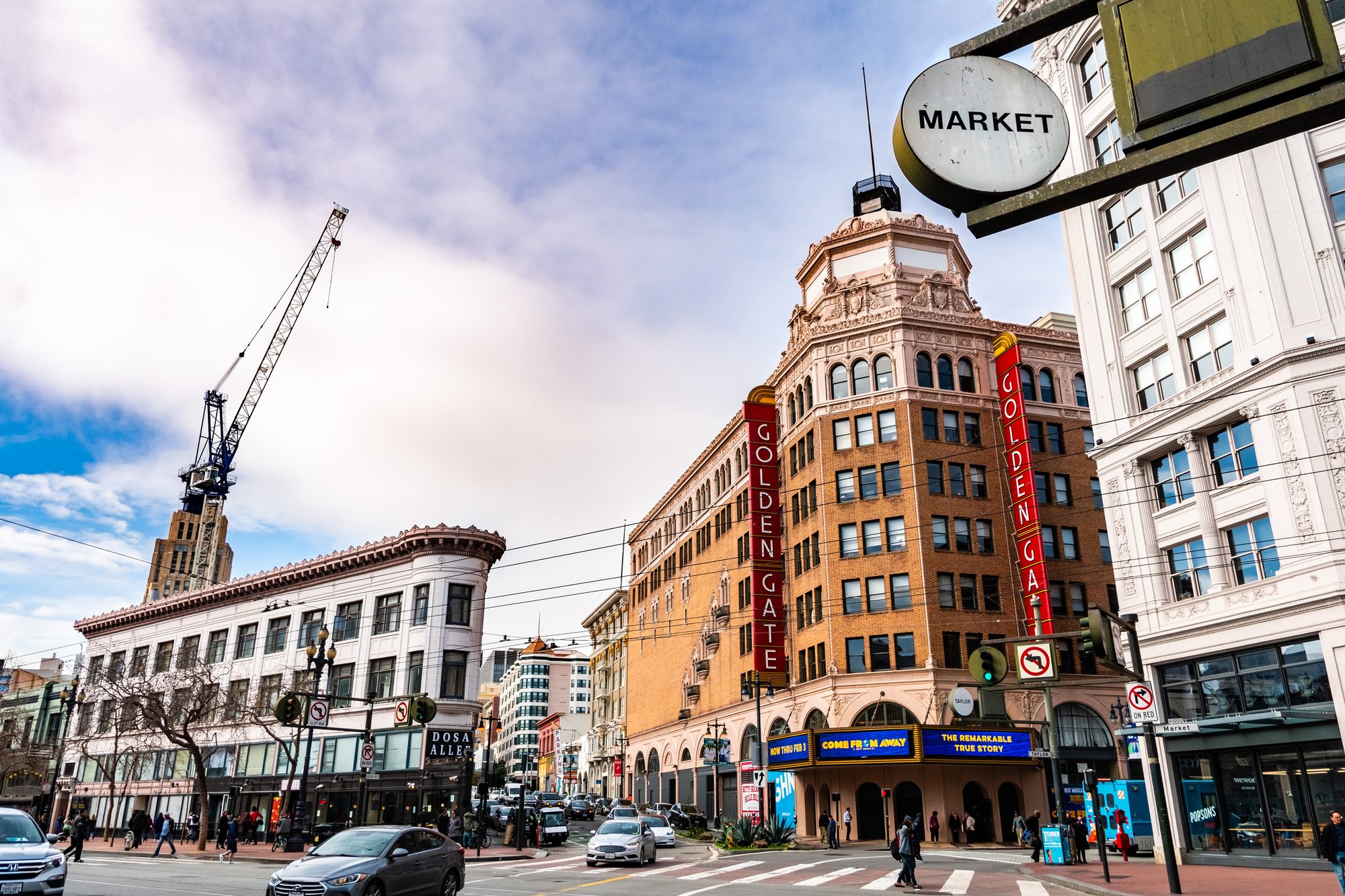
Tenderloin
The Tenderloin is San Francisco at its most authentic and challenging. This is not a neighborhood for everyone, but for those who choose it - artists priced out of everywhere else, immigrants building new lives, and advocates committed to community - it offers something increasingly rare in modern San Francisco: diversity of experience and people.

Fisherman's Wharf, North Waterfront
The North Waterfront stretches along the Embarcadero from the Ferry Building to Fisherman's Wharf, blending tourist attractions with genuine maritime character.
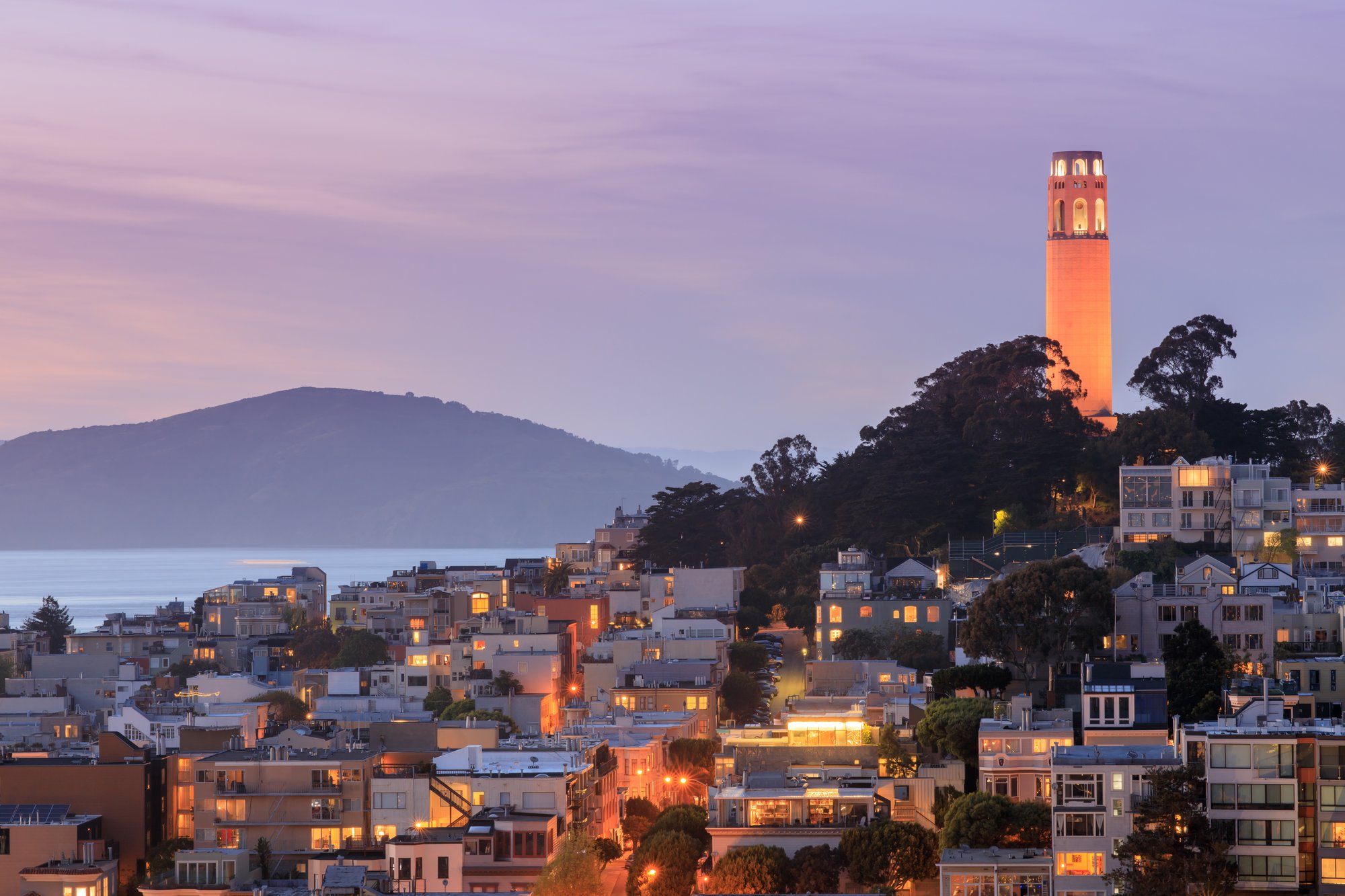
Telegraph Hill
Telegraph Hill rises abruptly from the Embarcadero, crowned by Coit Tower and home to the famous flock of wild parrots. This is one of San Francisco's most distinctive neighborhoods - accessible only by staircases in some sections, with cottages clinging to the hillside and views that make your heart skip.
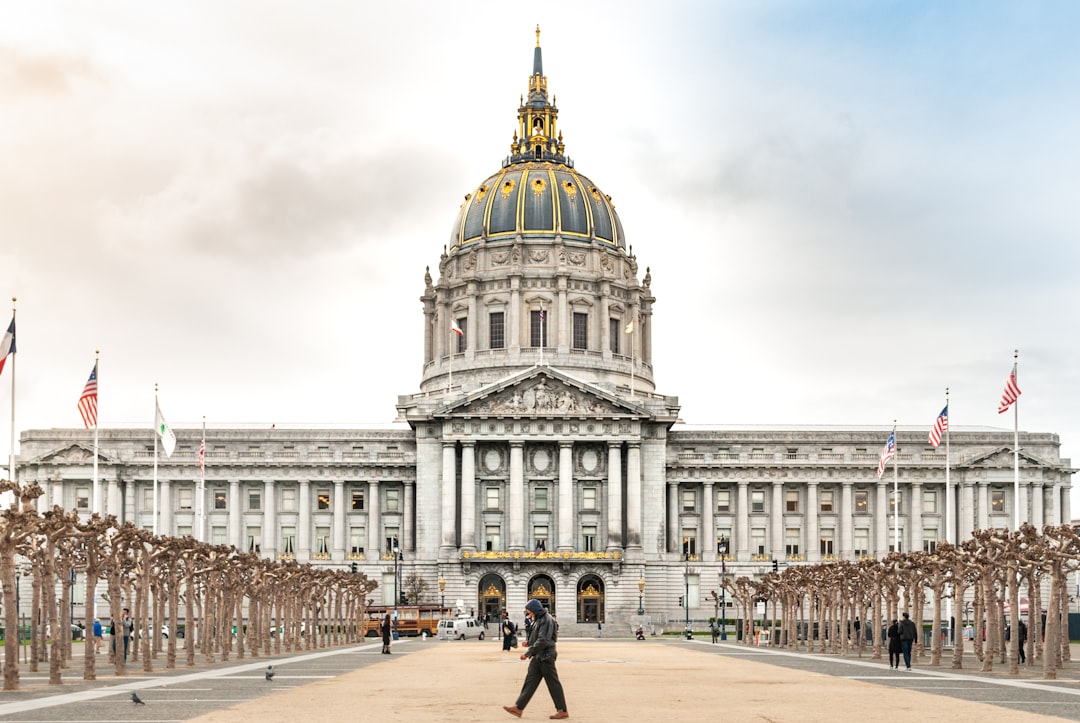
Van Ness / Civic Center
Van Ness and Civic Center form the cultural heart of San Francisco. Symphony performances, opera galas, ballet, and theater all happen within blocks, while City Hall's gilded dome provides a daily reminder of civic grandeur.
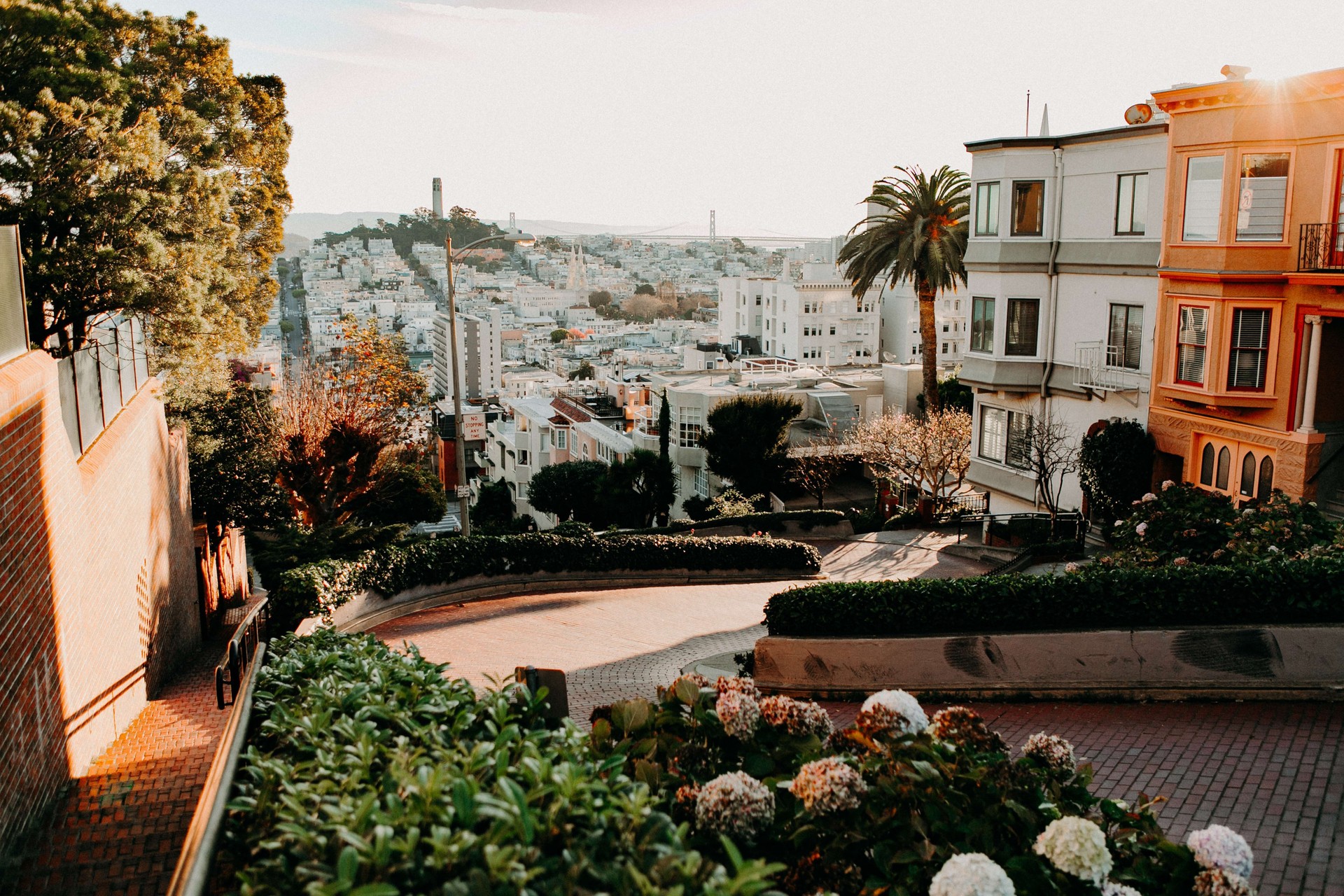
Russian Hill
Russian Hill offers what might be San Francisco's best-kept secret: stunning views and charming streets without the tourist chaos. Yes, Lombard Street's hairpin turns draw crowds during the day, but locals know the quiet stairways and hidden gardens that make this neighborhood magical.
North Beach
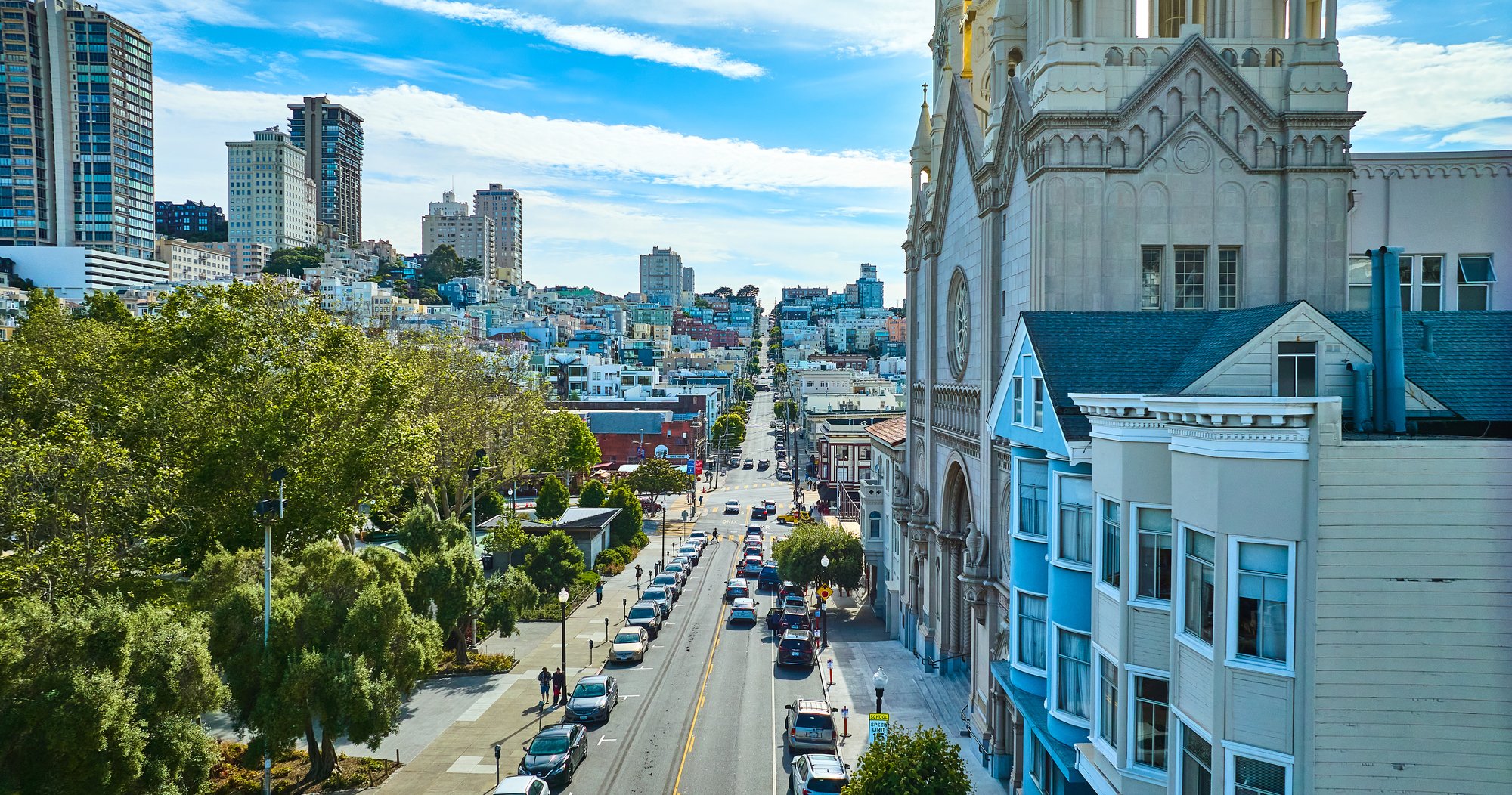
North Beach is where San Francisco's Italian soul meets bohemian spirit. This is the city's Little Italy, where Caffe Trieste has been pulling espresso since 1956, where Molinari Delicatessen piles sandwiches high on Dutch crunch bread, and where the aroma of fresh pasta and roasting coffee fills the air.

Nob Hill
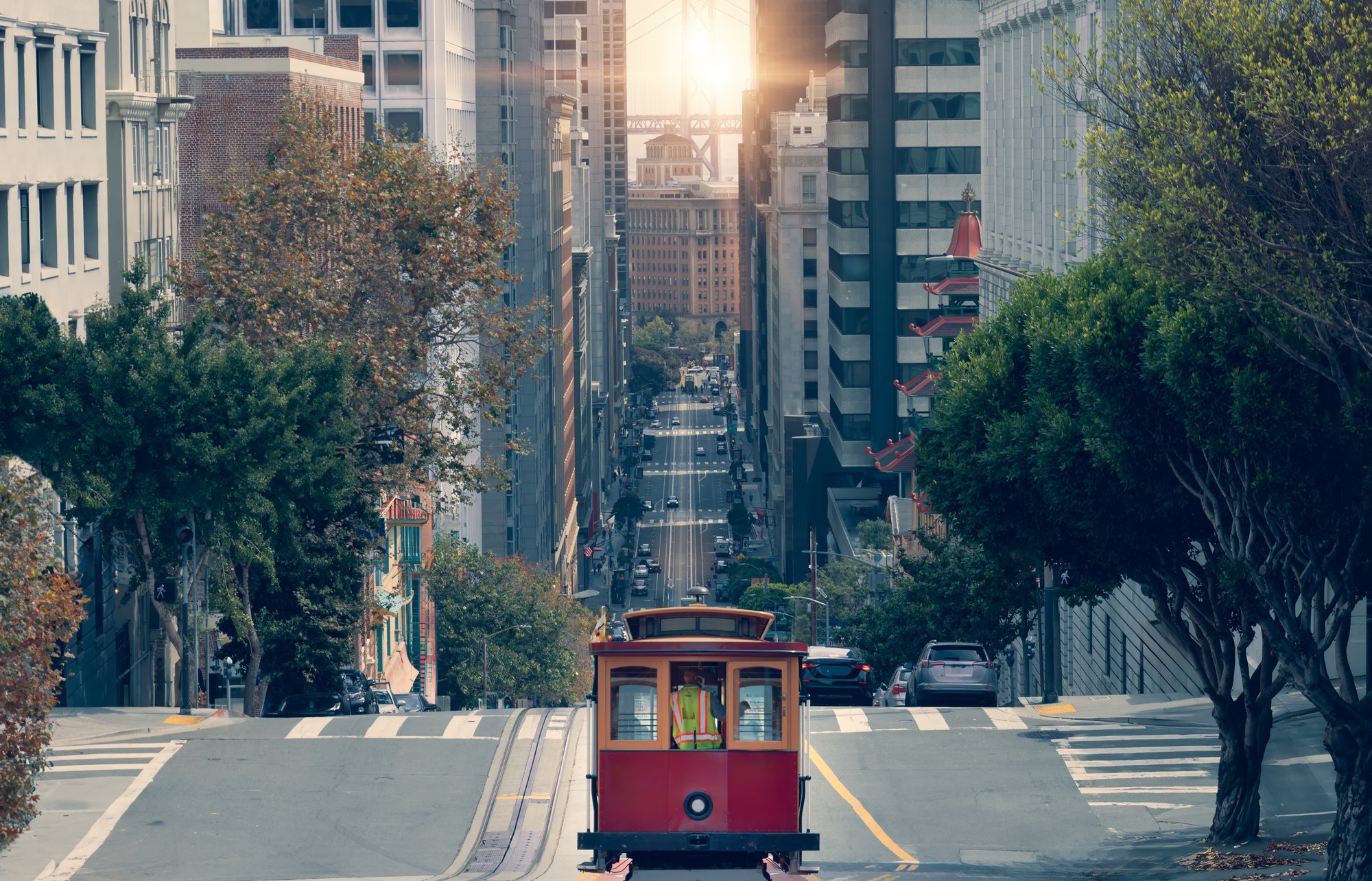
Nob Hill sits at the literal and metaphorical peak of San Francisco. This is where cable cars strain uphill, where grand hotels crown the summits, and where the city spreads out in every direction from your doorstep.
Downtown
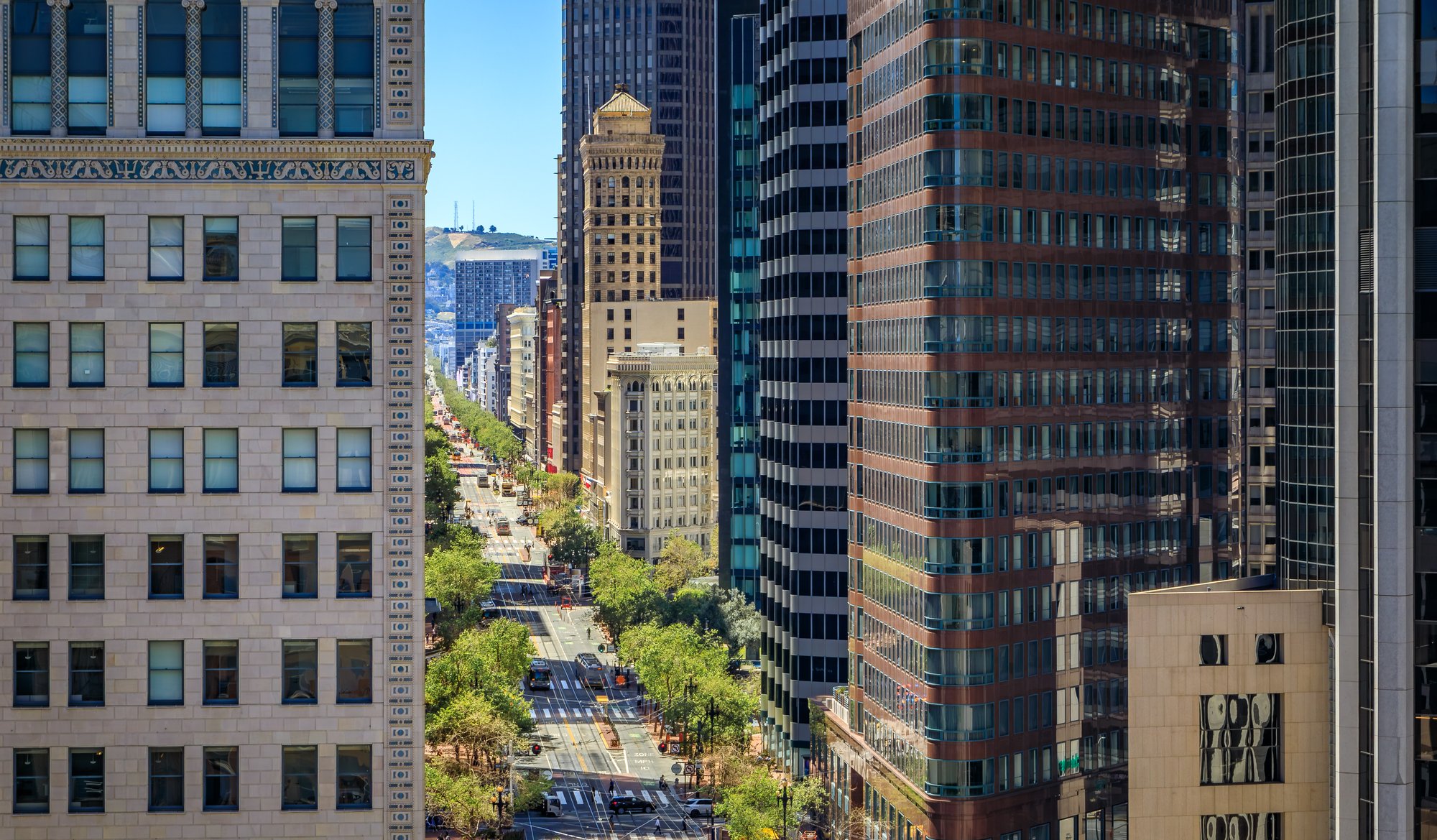
Downtown San Francisco is where the city's economic engine meets urban energy. While it's known for office towers and the Financial District's suits, living here offers something unexpected: being at the absolute center of everything.
Financial District
The Financial District might empty out after 6 PM on weekdays, but for those who live here, that evening quiet is part of the appeal. By day, these streets pulse with workers, food trucks, and the energy of commerce, but by night, residents reclaim sidewalks and local spots.
District 9
Dogpatch / Central Waterfront
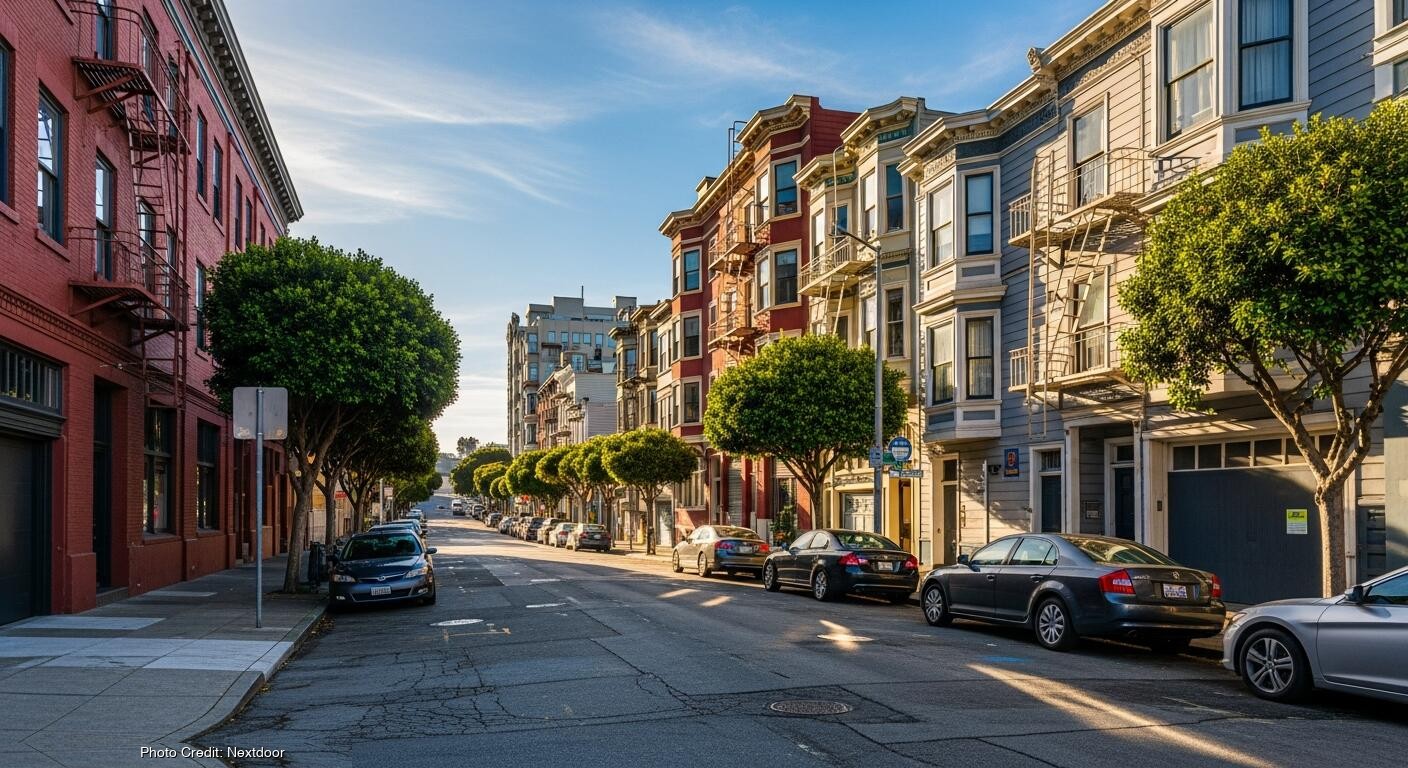
Dogpatch is San Francisco's most creative reinvention story. Once an industrial shipyard district, it has become one of the city's most exciting neighborhoods without losing the gritty character that makes it interesting. Converted warehouses sit alongside modern condos, and you're as likely to stum
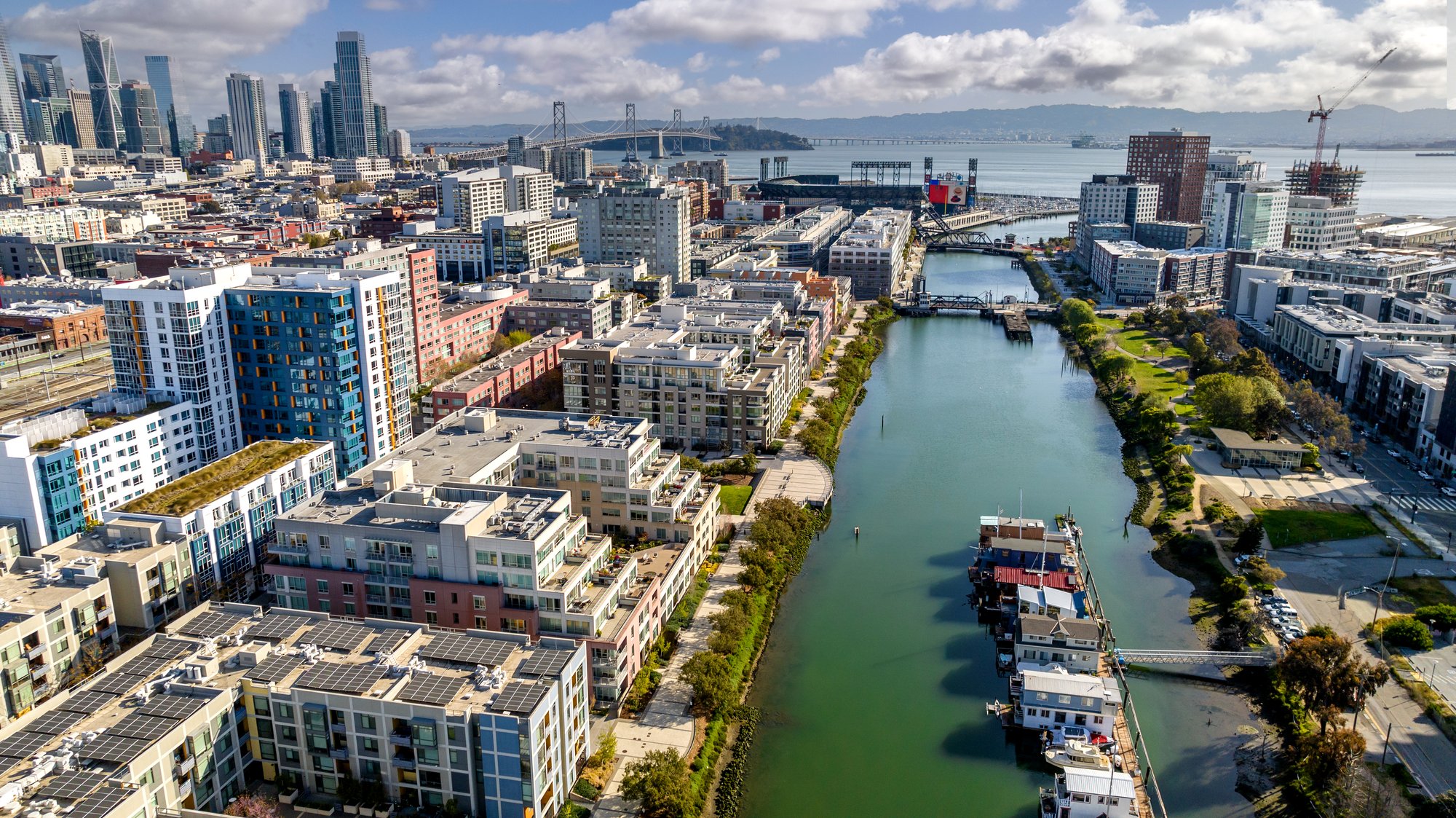
South Beach
South Beach runs along the Embarcadero from AT&T Park (home of the Giants) south toward Mission Bay, and on game days, the neighborhood transforms into orange-and-black chaos as fans flood toward the ballpark. But on non-game days, South Beach is surprisingly residential - mostly modern condo towers built in the 2000s with water views, amenities, and proximity to the Financial District for commuting.
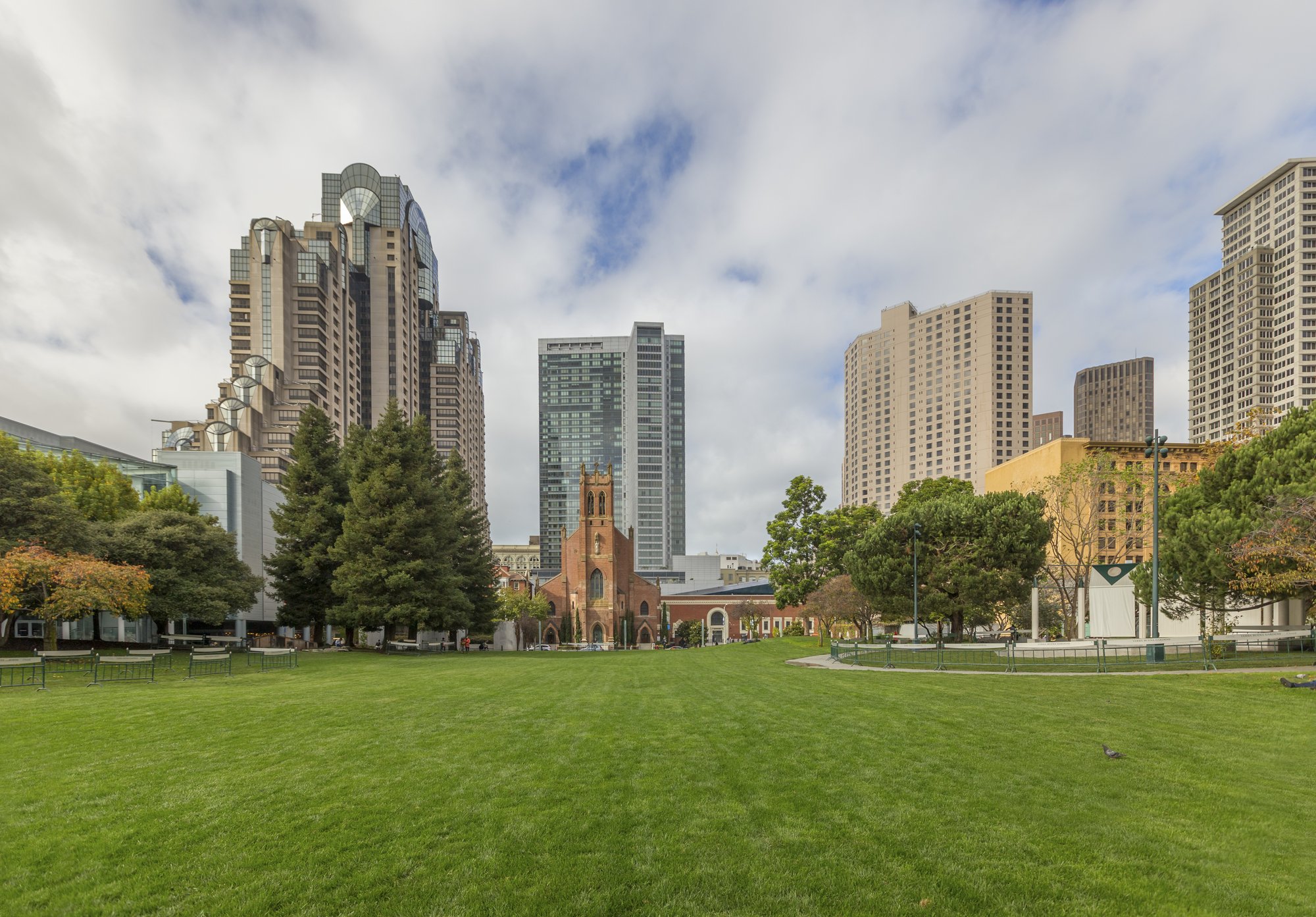
Yerba Buena
Yerba Buena centers on the district's namesake Gardens - a rare urban oasis where waterfalls cascade over memorial walls, public art installations surprise around corners, and lunch-breakers escape their offices for moments of green tranquility.
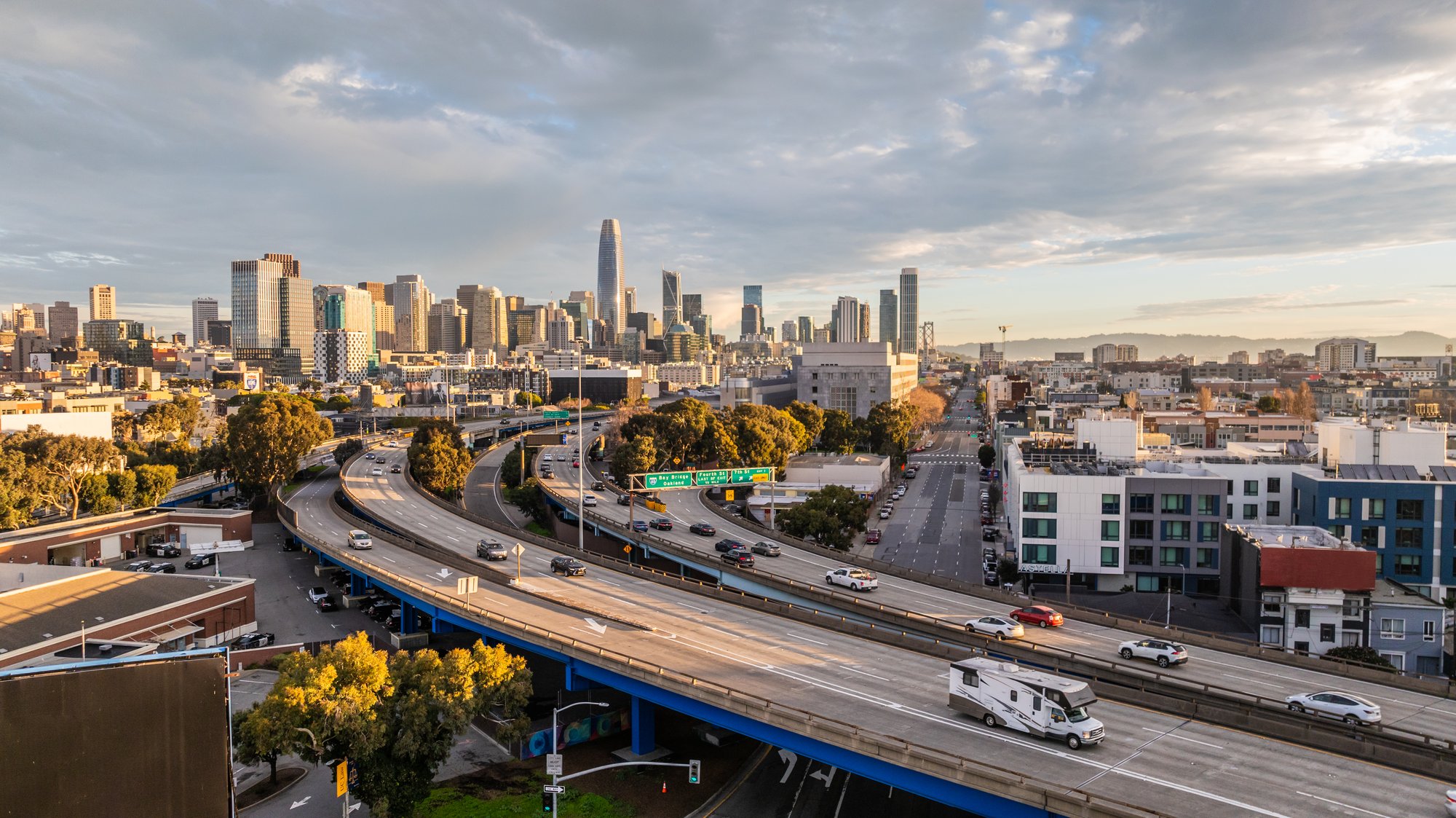
South of Market (SoMa)
SoMa sprawls across San Francisco's southeastern quadrant - too large and diverse to characterize simply. This is where museums cluster (SFMOMA, Museum of the African Diaspora, Contemporary Jewish Museum), where tech companies occupy converted warehouses and new glass towers, where nightclubs thump until dawn, and where some of the city's most innovative restaurants break new ground.
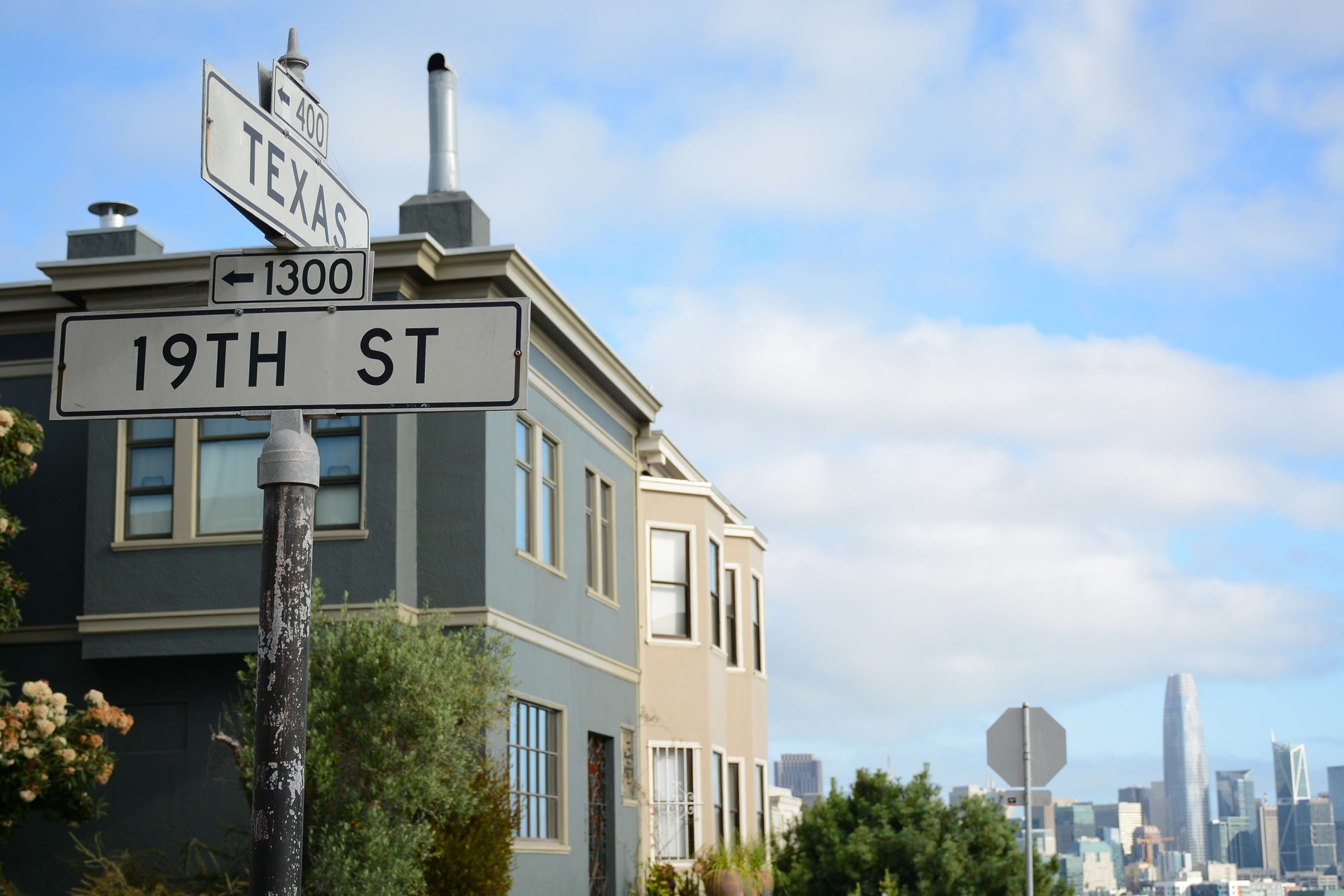
Potrero Hill
Potrero Hill sits apart - literally and figuratively - from the rest of San Francisco. This is the neighborhood that catches sun when everywhere else drowns in fog, where single-family homes with yards feel almost suburban, and where streets dead-end at views of the bay and city.
Mission Bay
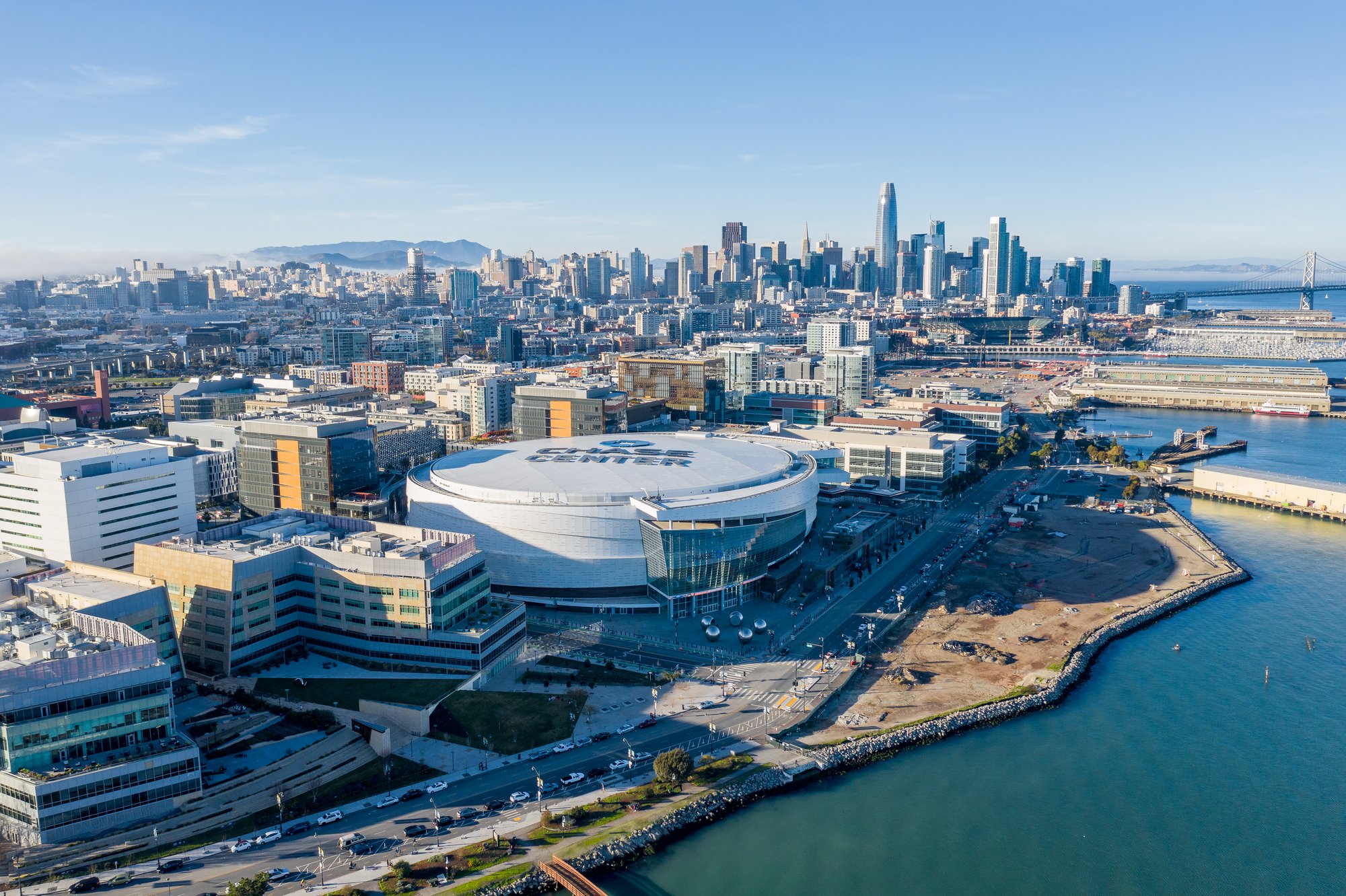
Mission Bay is San Francisco at its newest - a neighborhood built from scratch on former industrial land and rail yards. This is where UCSF's medical campus meets luxury high-rises, where the Golden State Warriors play at Chase Center, and where everything feels planned and pristine in a way older San Francisco neighborhoods never do.
Inner Mission
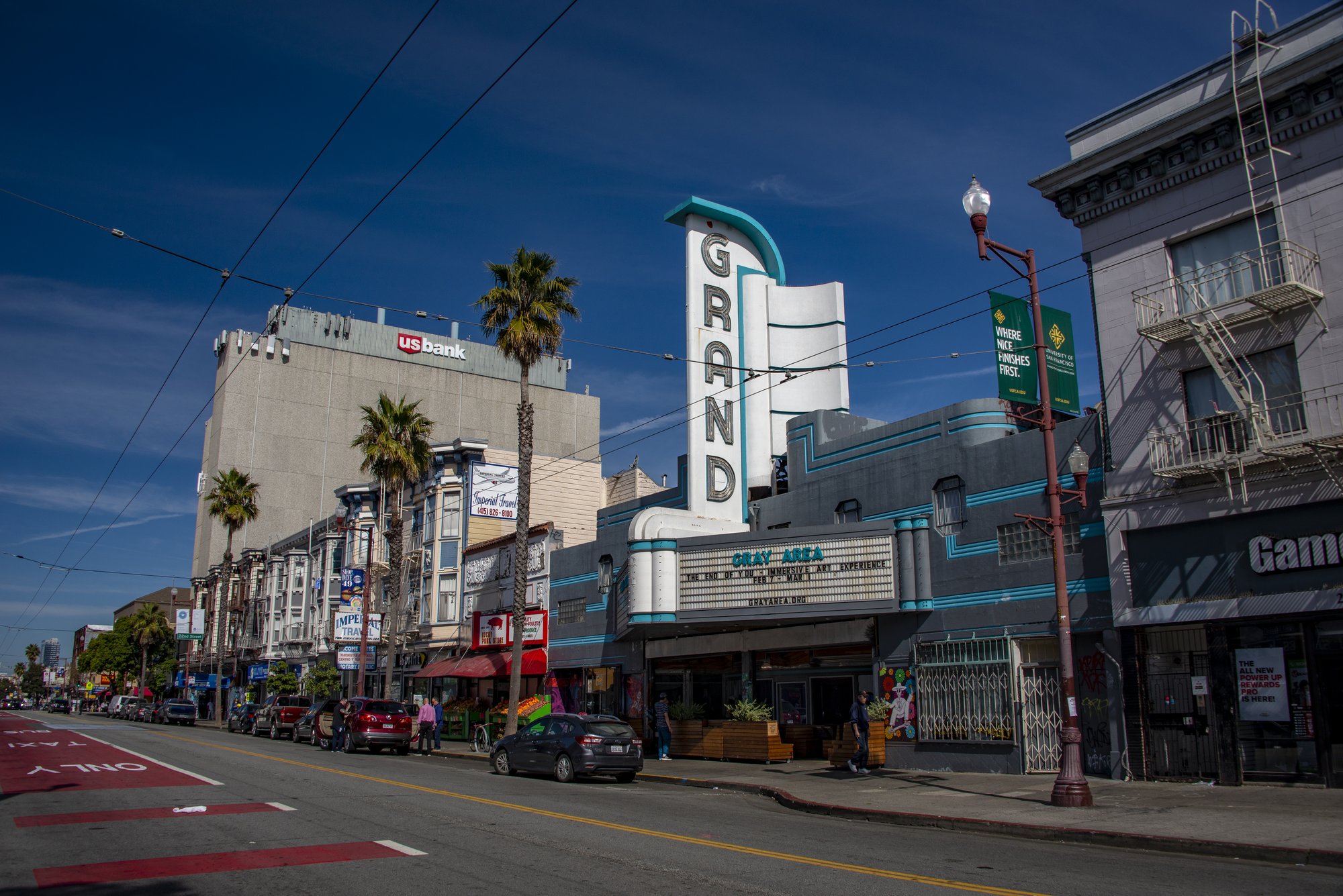
The Inner Mission is where San Francisco's Latin soul meets contemporary creative energy. This is the neighborhood of murals covering garage doors and alleyways, where Balmy Alley's political art draws visitors but belongs to the community, and where the aroma of Mexican cooking fills the air from dozens of taquerias.
Bernal Heights
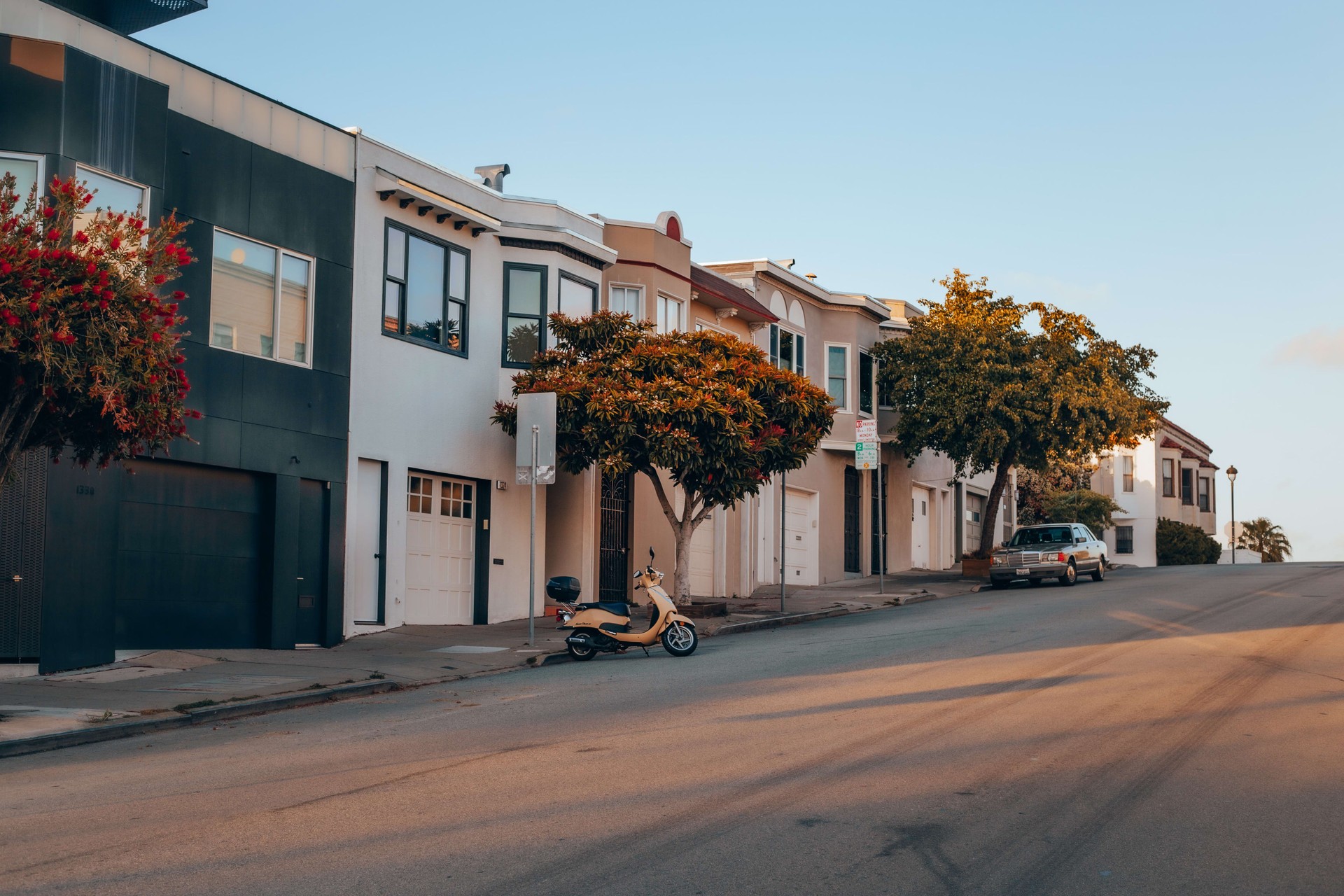
Bernal Heights feels like a small town perched on a hill within the city. The neighborhood radiates from Cortland Avenue, that main commercial stretch where everyone seems to know everyone else, where morning coffee at Progressive Grounds means running into neighbors, and where the weekend farmers market brings the community together.
Marin
Tiburon
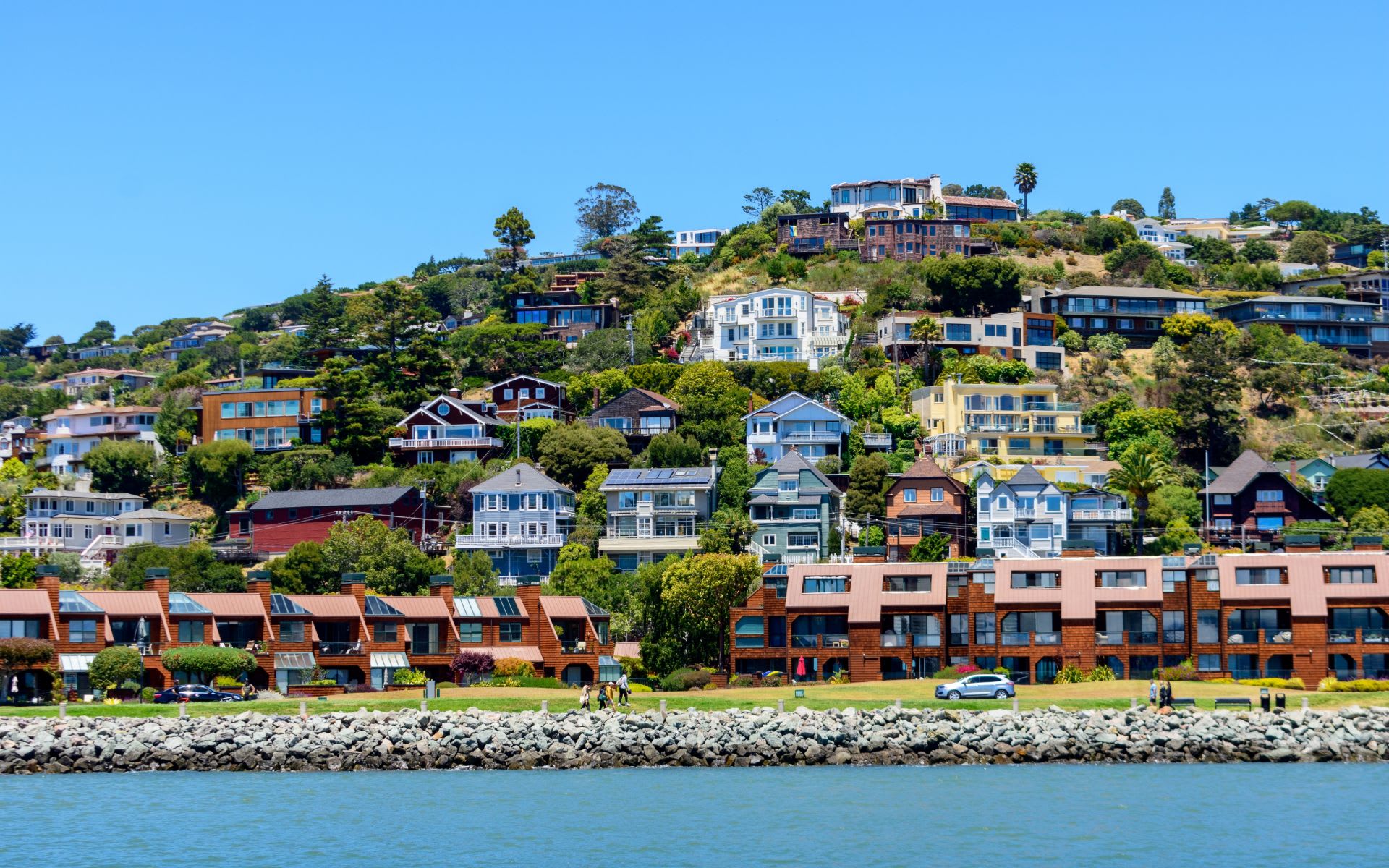
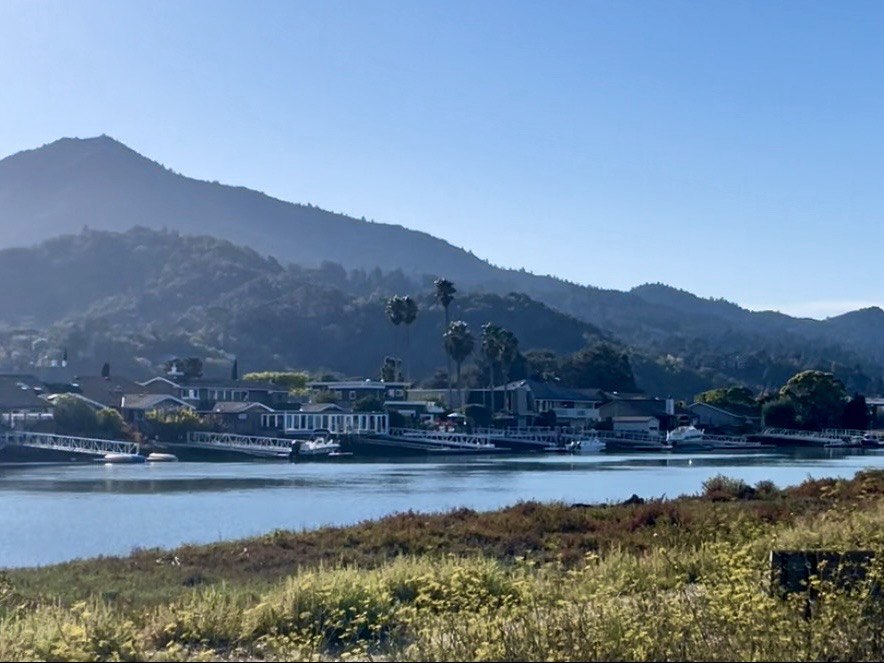
Tiburon is where Marin meets the Mediterranean. Start with coffee and a pastry at Malibu Farm, then stroll the waterfront trail as ferries glide toward Angel Island.
Larkspur
Larkspur feels like the perfect blend of small-town charm and California cool. Start the day with a Habibi Latte and avocado toast at Equator Coffee, or grab a Boichik Bagel (probably the best bagels on the West Coast).
Belvedere
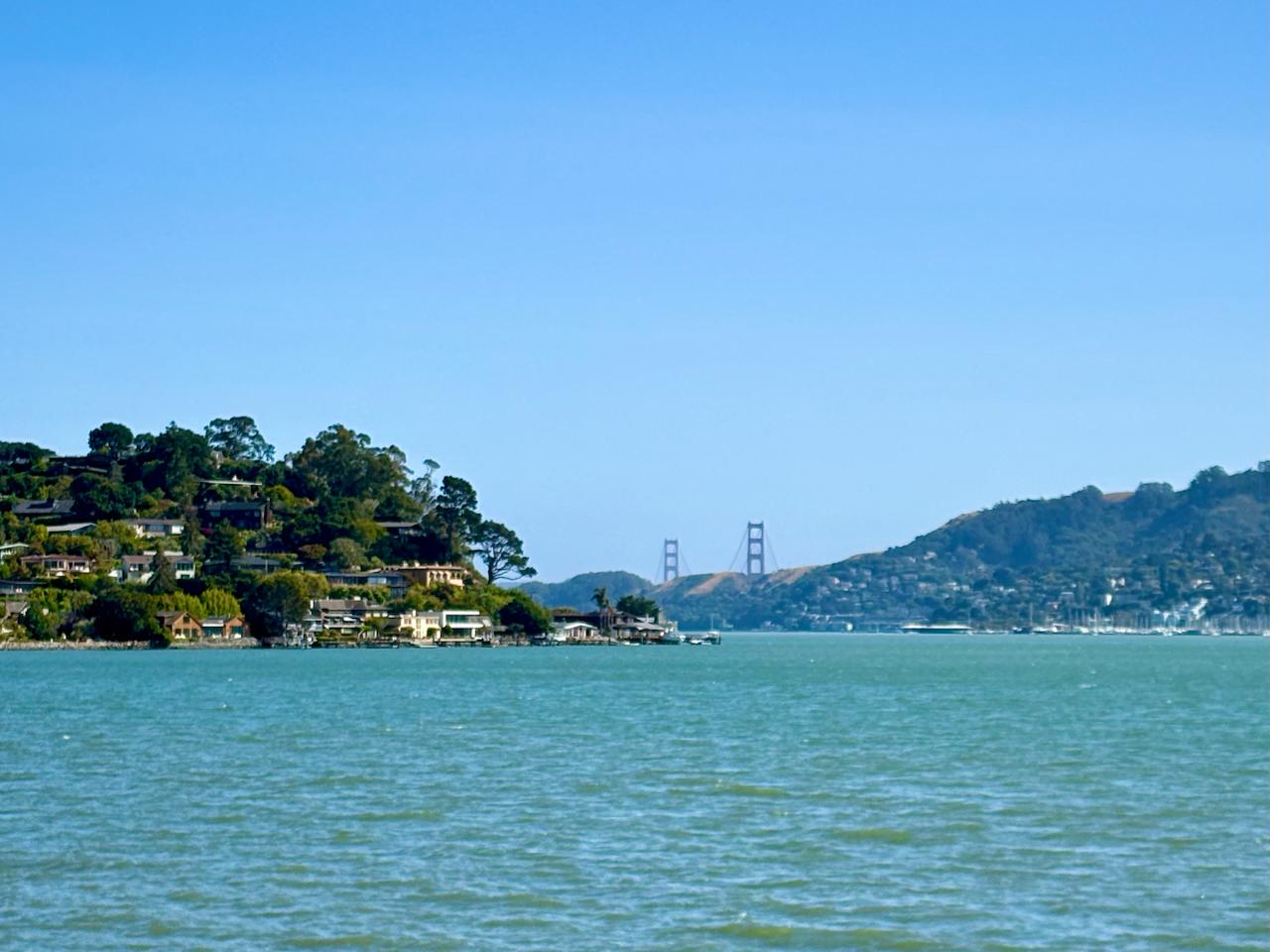
Belvedere is the crown jewel of southern Marin: tranquil, elegant, and framed by some of the most breathtaking views in the world. Morning walks along Beach Road reveal sailboats moored in glassy waters and grand estates tucked behind leafy hedges.
Corte Madera
Corte Madera seamlessly blends small-town charm with big-brand convenience like few places can. The community's Old Town Square with boutique shops and towering palm trees give it a relaxed feel.
Sausalito
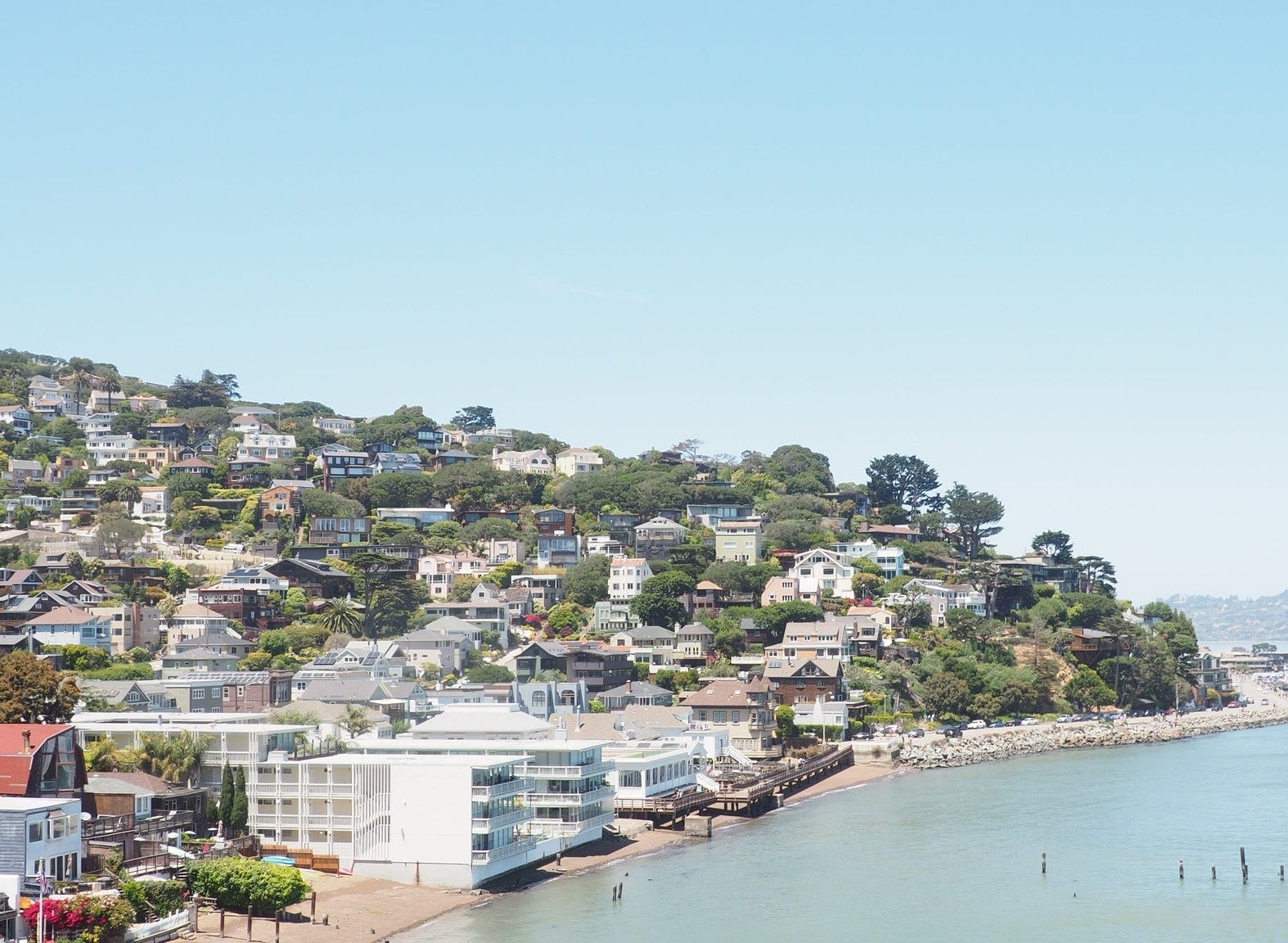
Sausalito is more than the tourist-laden waterfront. Locals know where to go to escape the crowds and sink into magical seaside days, from hidden parks and endless trails to world-class sushi on Caledonia Street.
Mill Valley
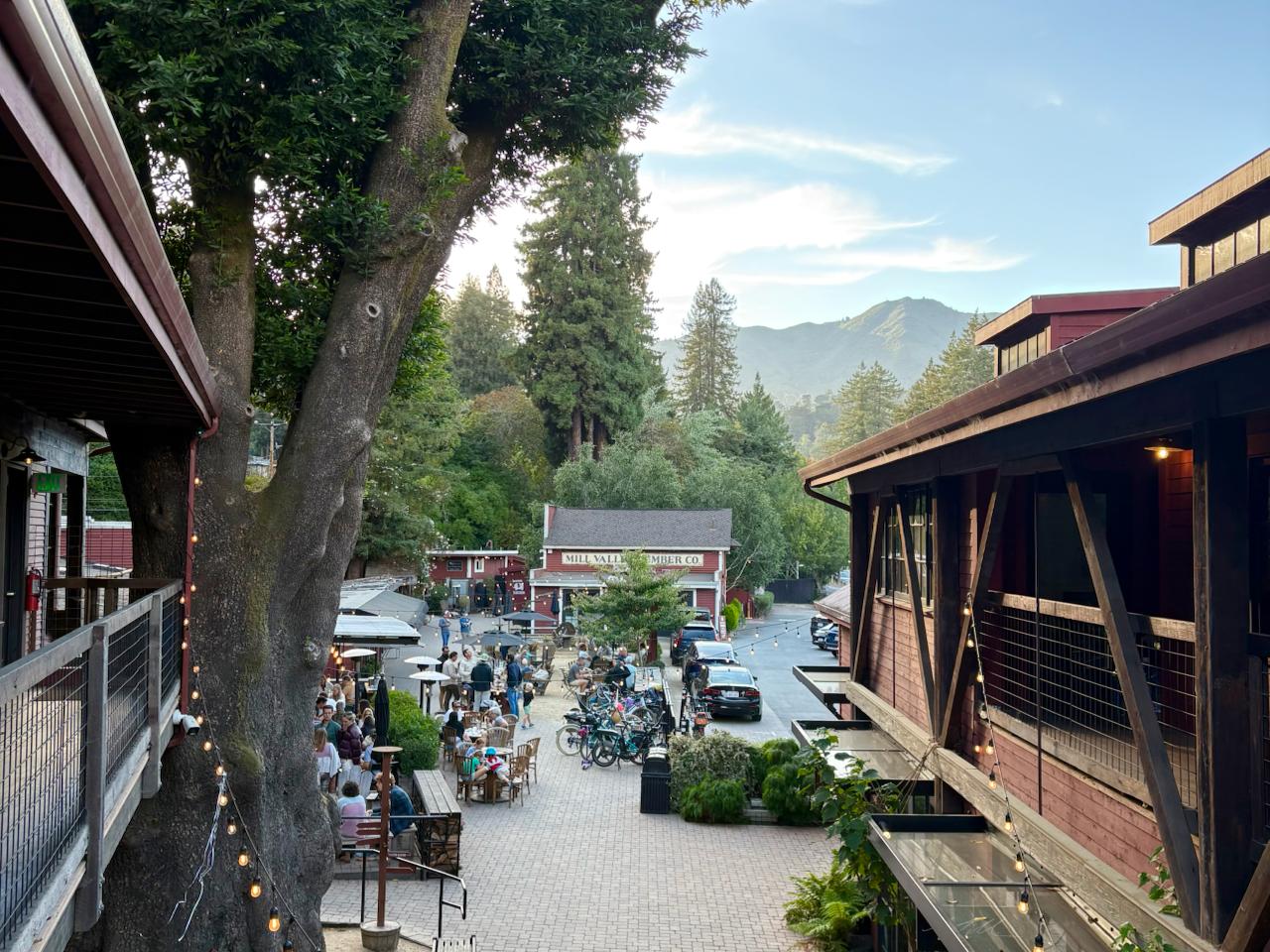
On a Saturday morning, there’s nowhere we’d rather be than the Mill Valley Lumber Yard. We grab a gluten-free pastry from Flour Craft Bakery or a crepe at Millie’s while kids compete in cornhole. One of us browses boutiques as the other relaxes in the sunshine. There is always something to discover: a bracelet from Lulu Designs, treasures at Makers Market, or a summer dress at The Edit. For little ones, Tantrum is a must, and for four-legged family members, Fideaux is a treat. When hunger calls, Watershed is our favorite for wood-fired pizza, especially in the cooler months when the outdoor fire is lit.